




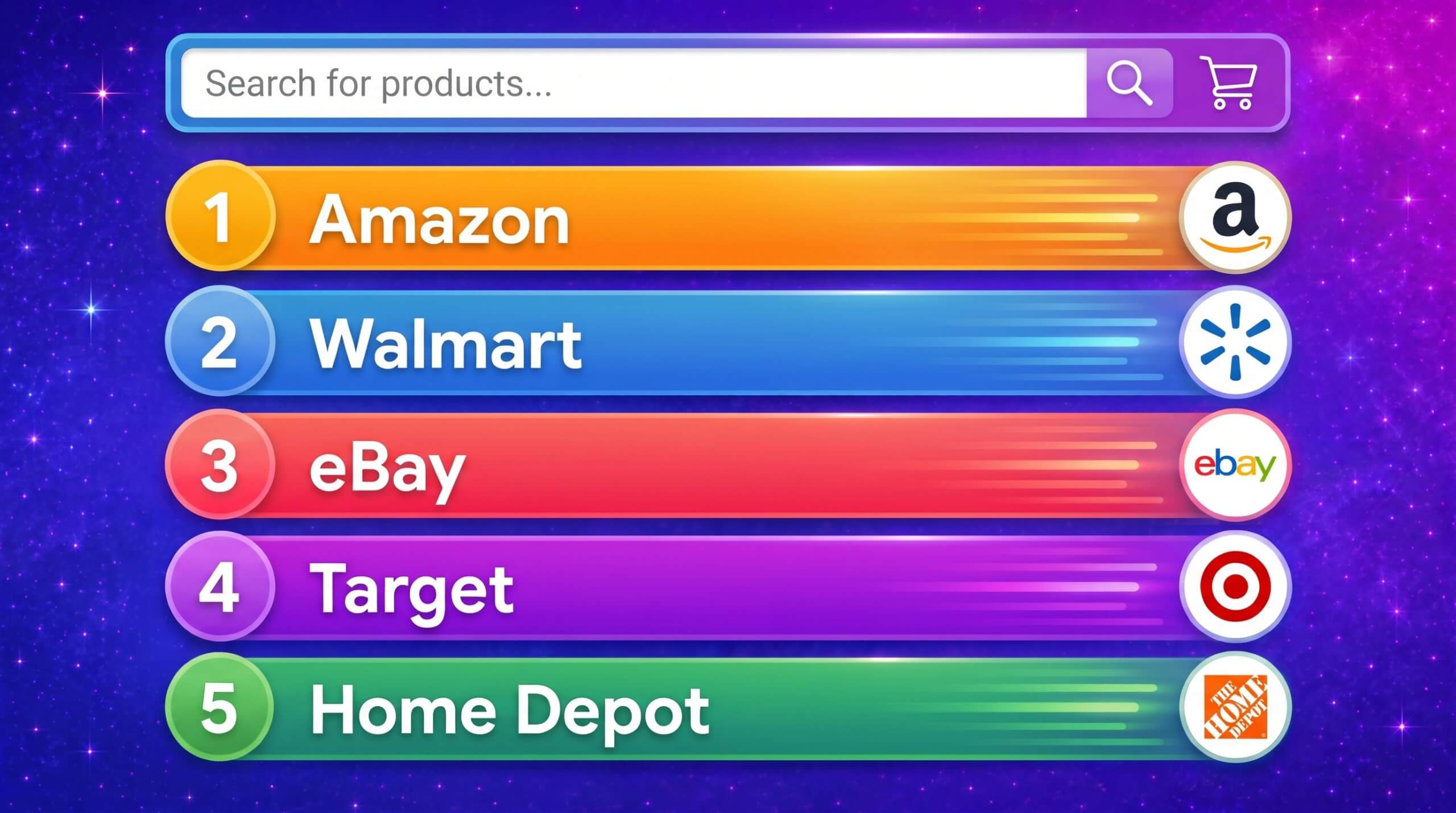

Top Ecommerce Companies in the USA: The 100 Brands Winning the Traffic Race in 2026
by Inbar Eytan6 Min.
Aug 30, 2026

If you’re in content marketing, storytelling is one of the best ways to connect with your audience. Instead of just listing facts, you’re giving people something personal and relatable.
Think about it—would you rather hear a list of product features or a story that makes you feel something?
A good story grabs attention, sticks in people’s minds, and creates an emotional connection.
With so many brands competing for attention, storytelling is what makes yours stand out. It turns your message into something people care about, not just another sales pitch.
Want to learn how? Let’s break down how to turn everyday product details into stories people actually want to hear.
Storytelling in content marketing is about connecting with people on an emotional level. Instead of just sharing facts, it turns information into something meaningful.
A good story helps people understand your brand and keeps it memorable. It adds personality and makes even simple ideas feel engaging. People relate to stories, especially when the stories reflect their own goals and challenges.
The best stories create real connections. Whether it’s a personal anecdote, a customer success story, or a bigger brand narrative, the goal is the same—capture attention and make people care.
By using characters, emotions, and challenges, storytelling makes your message more powerful, memorable and relatable.
Storytelling isn’t just a trend; it’s a way to build stronger relationships with your audience. Here’s why it matters:
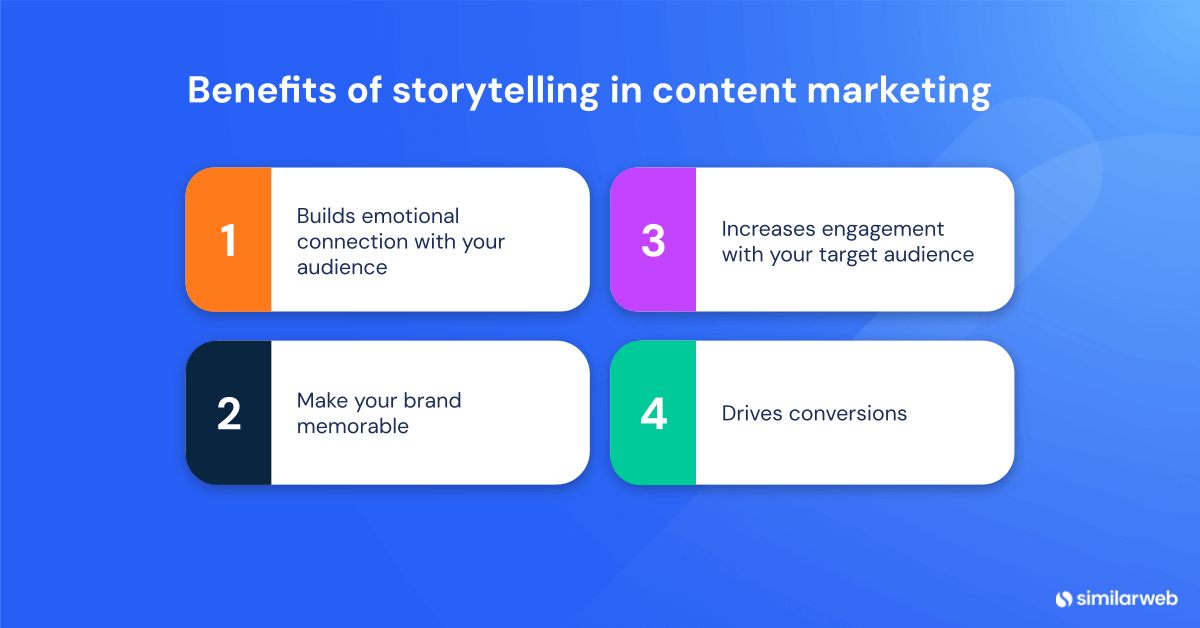
Stories make brands feel more human. Instead of just selling a product, you’re sharing something people can relate to. A good story creates trust, makes your brand more approachable, and helps customers feel connected. That connection can turn into brand loyalty, keeping people coming back.
Facts alone don’t stick. But a story? That’s memorable.
Whether it’s a video, a photo, or a written post, storytelling makes ideas feel real. And when people connect emotionally, they’re more likely to choose your brand over others.
People remember stories more than facts. A good story helps your brand stay unique and stand out. Instead of just being another option, you become the brand they recognize, trust, and turn to.
Take Apple, for example. Their marketing isn’t just about features—it’s about emotion, innovation, and identity. The goal isn’t just to be seen; it’s to be admired.
A strong story builds loyalty, giving customers a reason to come back. It also helps explain complex ideas in a way that’s easy to remember.
Getting someone’s attention is one thing. Keeping it is another.
Storytelling keeps people interested. Whether it’s a blog post, a video, or a social media campaign, a great story encourages people to interact, share, and come back for more.
Stories also create a sense of community. Asking questions, sharing experiences, and inviting people to participate makes them feel involved.
When people engage with your brand, they’re more likely to stick around.
A compelling story doesn’t just entertain; it leads to action. Research from Search Engine Watch indicates that storytelling can increase conversion rates by 30% compared to standard marketing content.
When people see themselves in a story, they trust the brand more. Customer success stories, testimonials, and relatable narratives help remove doubts and build confidence.
When someone believes a brand understands them, they’re more likely to buy.
At its core, storytelling isn’t just about making content more interesting. It’s about making connections, building trust, and turning potential customers into loyal ones.
Want to make your content more engaging? Storytelling is the key. Here’s how to use it to connect with your audience and make your brand stand out.
Your brand story is the foundation of good storytelling. It’s not just about what you sell—it’s about what you stand for. What makes your business unique? What values drive you?
A great brand story builds trust and resonates with your audience. It should be honest about your journey, challenges, and successes. When people connect with your story, they’re more likely to connect with your brand.
You can’t tell a good story without knowing who you’re talking to. Understanding your audience helps you create content they actually care about.
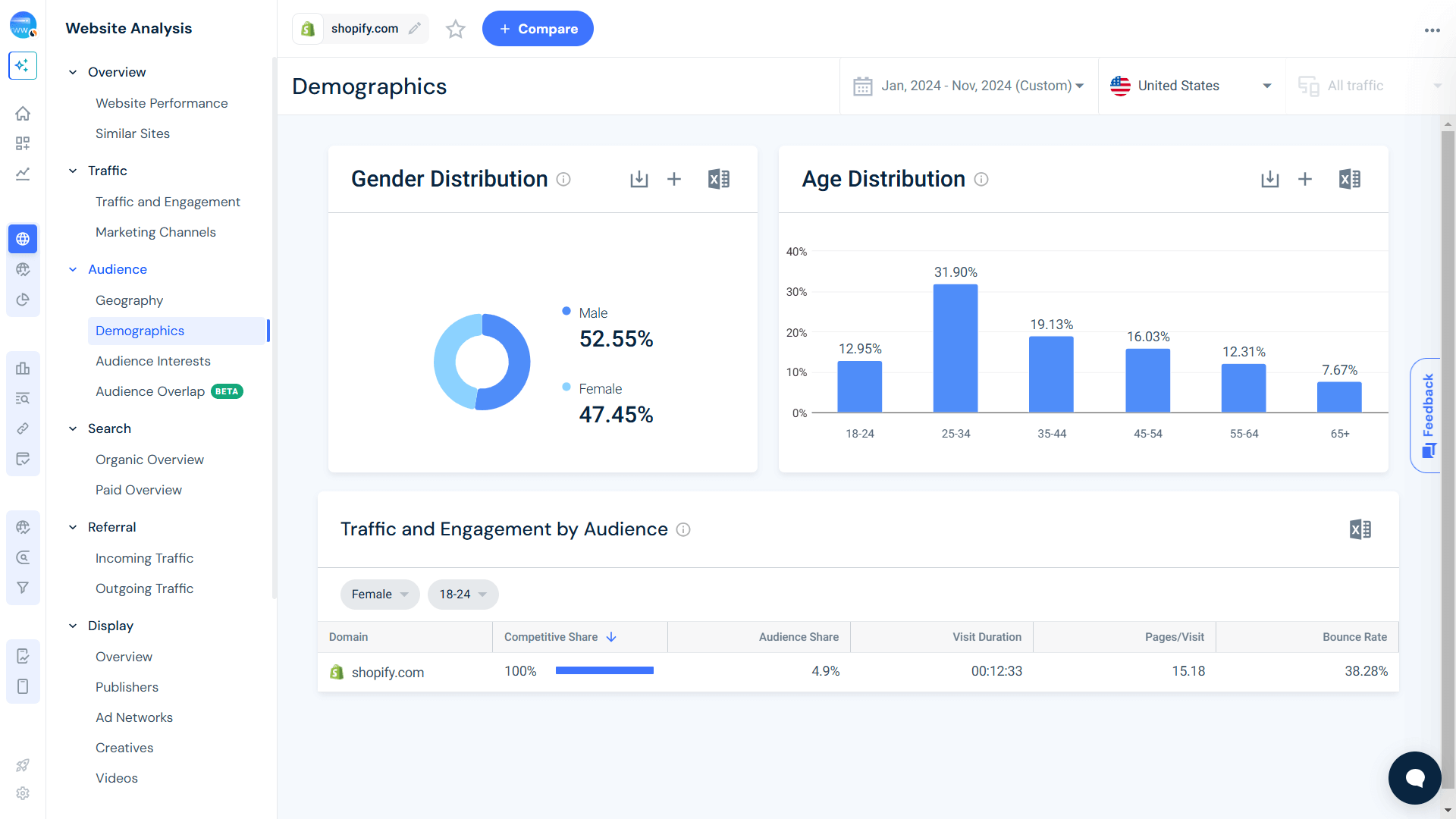
Tools like Similarweb’s audience insights can show you what interests your customers, what they search for, and how they interact online.
When you tailor your stories to what matters to them, audience engagement will increase, along with brand loyalty and trust.
The best stories feel real. Avoid clichés and focus on what makes your brand different. Share real experiences—things that happened inside your company, lessons you’ve learned, or behind-the-scenes moments.
People relate to honesty. When you tell genuine stories, your audience will feel more connected to you, and more invested in your success.
Numbers can make your story more convincing. Data-backed storytelling adds credibility and helps people see the bigger picture.

For example, Similarweb’s Website Analysis can show market trends, customer behavior, and website traffic insights, along with top-performing websites.
Using this data to form your content allows you to back your points with real evidence, increasing your credibility and strengthening your message.
Nothing builds trust like real-life examples. When you showcase how your product or service has helped others, you give potential customers a reason to believe in you.
Share customer experiences, industry news, or case studies that highlight your impact. This kind of storytelling shows that your brand delivers real results.
People process visuals faster than text. Adding images, infographics, and videos makes your stories more engaging and easier to remember.
Strong visuals grab attention and break down complex ideas. Using SEO tools in your content strategy, like keyword mapping, can also help your visual content reach the right audience.
Storytelling makes content marketing more powerful. It turns simple messages into something people connect with and remember. Whether through personal stories, data, or visuals, a great narrative can make all the difference in how your brand is seen.
Storytelling isn’t just a nice touch, it’s a powerful way to connect with people and keep them coming back. It makes your brand more relatable, builds trust, and helps customers see themselves in your story.
Similarweb’s Audience Tool and Website Analysis Tool can help you shape stories that match what your audience cares about. When your content feels personal and consistent, it’s easier to keep people engaged.
Great stories do more than share information. They inspire, build loyalty, and guide customer experiences.
If you make storytelling a key part of your marketing, you’ll create stronger connections, grow your audience, and boost conversions.
How does storytelling help with audience retention?
Stories create an emotional connection that makes people want to stick around. When a story feels real and relatable, it holds attention. People get invested in characters and outcomes, which keeps them coming back. That’s how you build lasting relationships with your audience.
What distinguishes storytelling from other strategies?
Storytelling focuses on emotions and human experiences, not just data or sales tactics. It makes messages more memorable by creating real connections. Instead of just listing facts, storytelling brings ideas to life in a way that feels personal and relatable.
How can brands effectively integrate storytelling?
Start with authenticity. Your story should reflect your values and connect with what your audience cares about. Use real people, real experiences, and a consistent message across different platforms. When people see themselves in your story, they’re more likely to engage with your brand.
Which industries benefit the most from storytelling?
Almost any industry can use storytelling. It helps simplify complex topics in fields like fintech and healthcare. In creative industries like fashion and entertainment, it builds emotional connections and strong brand identities. No matter the industry, a good story makes a brand more relatable.
What common pitfalls should brands avoid in storytelling?
Keep it simple—too much detail can overwhelm people. Stay consistent across all platforms so your message is clear. Most importantly, be authentic. If a story feels forced or fake, people will notice, and it could hurt your brand’s credibility.

by Gila Holder
Content Marketing Manager
Gila has a background in creating engaging content across ecommerce and tech. She's committed to staying ahead of the latest digital marketing and social media trends (as hard as this is). When she’s not sharing marketing insights, you’ll find her exploring hiking trails or unwinding at the yoga studio.
Top Ecommerce Companies in the USA: The 100 Brands Winning the Traffic Race in 2026

3 of the Sharpest Minds Weigh in on the State of Gen AI in 2026

Give it a try or talk to our marketing team — don’t worry, it’s free!
