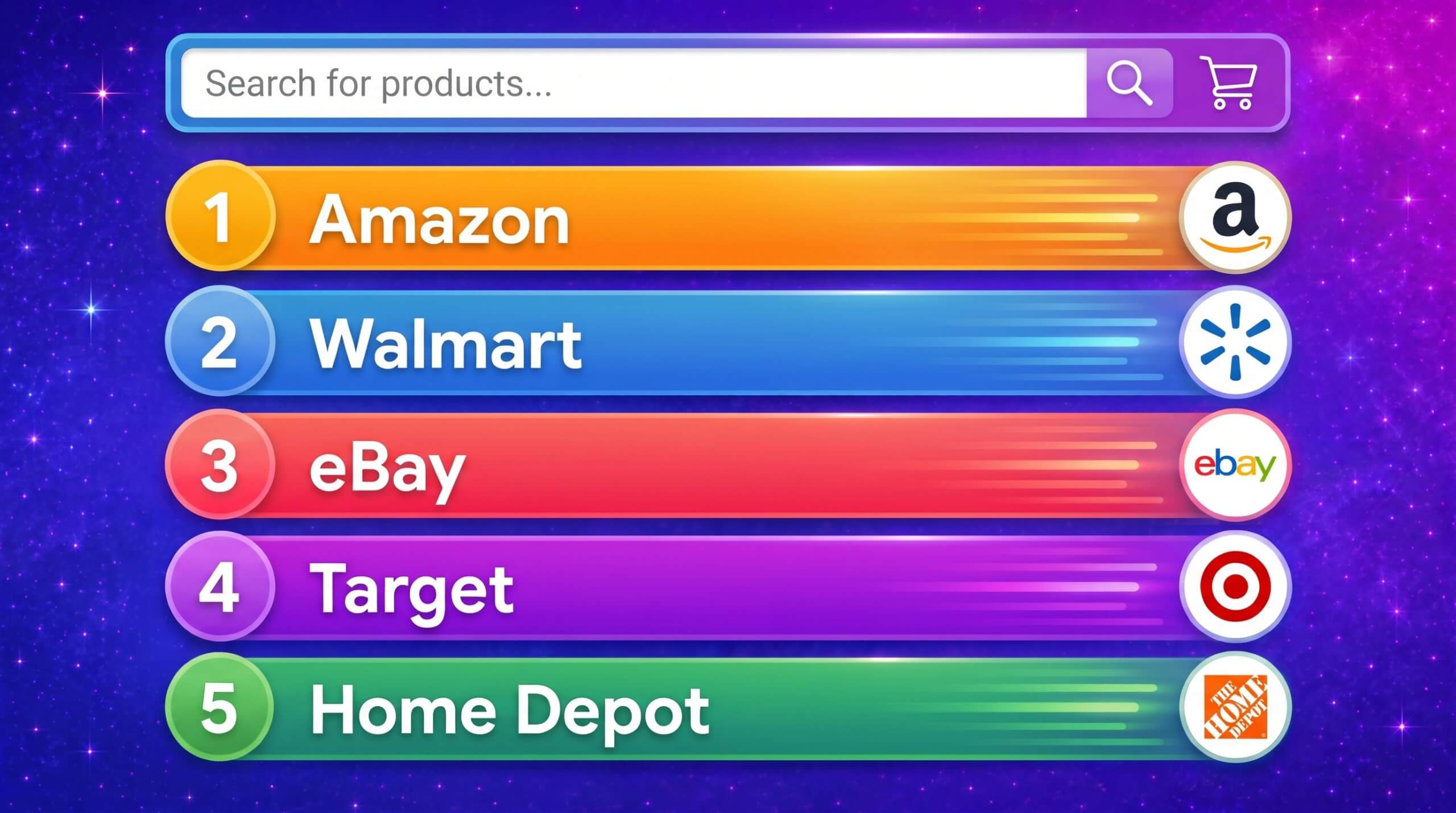

The Top 100 Most Visited Websites in the World (August 2026)
by Shai Belinsky10 Min.
Sep 17, 2026
 Sales Intelligence
A messy sales process leads to missed deals. A well-built sales pipeline is a roadmap to revenue. It keeps your team focused, your prospects moving, and your sales strategy aligned with real business goals. The best pipelines optimize resources and give you a clear view of what’s working (and what’s not). Want to boost team productivity, reduce missed opportunities, and close more deals? Let’s break down how to build a sales pipeline that delivers.
A sales pipeline is a visual roadmap of your buyer’s journey, from first contact to closed deals. It helps you track opportunities, forecast revenue, and measure your team’s performance. However, not all pipelines are built the same. Different businesses need different structures.
A lean, conversion-focused pipeline works for fast-moving sales cycles, while enterprise models map out the full customer journey, including post-sale engagement. The right setup uncovers trends, highlights seasonal shifts, and helps you tackle recurring roadblocks before they cost you deals.
A sales pipeline tracks deals through every stage and every touchpoint, all the way to closing. A sales funnel, on the other hand, is all about the buyer’s journey, from initial awareness to final decision. Both models shape and measure sales techniques, but they serve different purposes. A well-structured pipeline helps sales teams stay organized and focused, while a well-optimized funnel ensures prospects move smoothly toward conversion. The real magic happens when you integrate them, especially with a CRM, connecting marketing efforts to sales activities for a full-picture strategy.
A sales pipeline keeps your sales process organized. A strong pipeline is non-negotiable, and here’s why:
Businesses can predict sales outcomes, identifying short-term opportunities and long-term growth trends. By analyzing historical data and current pipeline stages, companies gain valuable insights into revenue projections and can make proactive adjustments to address potential gaps or challenges.
By zeroing in on the most promising sales stages, teams can maximize their time, budget, and energy. Prioritizing high-value leads prevents wasted effort on low-potential opportunities, ensuring every move drives real impact and boosts overall efficiency.
Spotting issues early means more closed deals and fewer missed opportunities. By identifying weak points—like stalled negotiations or lack of follow-ups—sales teams can fine-tune their approach, keep prospects engaged, and turn more leads into loyal customers.
A well-structured pipeline keeps everyone on the same page. With clear visibility into each stage, sales and marketing teams can sync their strategies, ensure consistent messaging, and smoothly transition leads from one step to the next—driving better collaboration and efficiency.
A well-managed pipeline helps pinpoint areas where deals get stuck or delayed. By analyzing trends and patterns, teams can identify underlying issues, such as a lack of follow-up or insufficient product knowledge, and implement targeted solutions to accelerate progress and maintain momentum.
Sales pipelines enable teams to focus on the most promising leads based on their stage, behavior, or potential value. Prioritization ensures that high-value prospects receive timely attention, increasing the likelihood of closing deals faster and preventing missed opportunities in a competitive marketplace.
Sales pipelines are structured pathways that escort leads through each phase of the sales process. Every phase serves specific functions so sales teams can strategize efficiently. Let’s break it down.
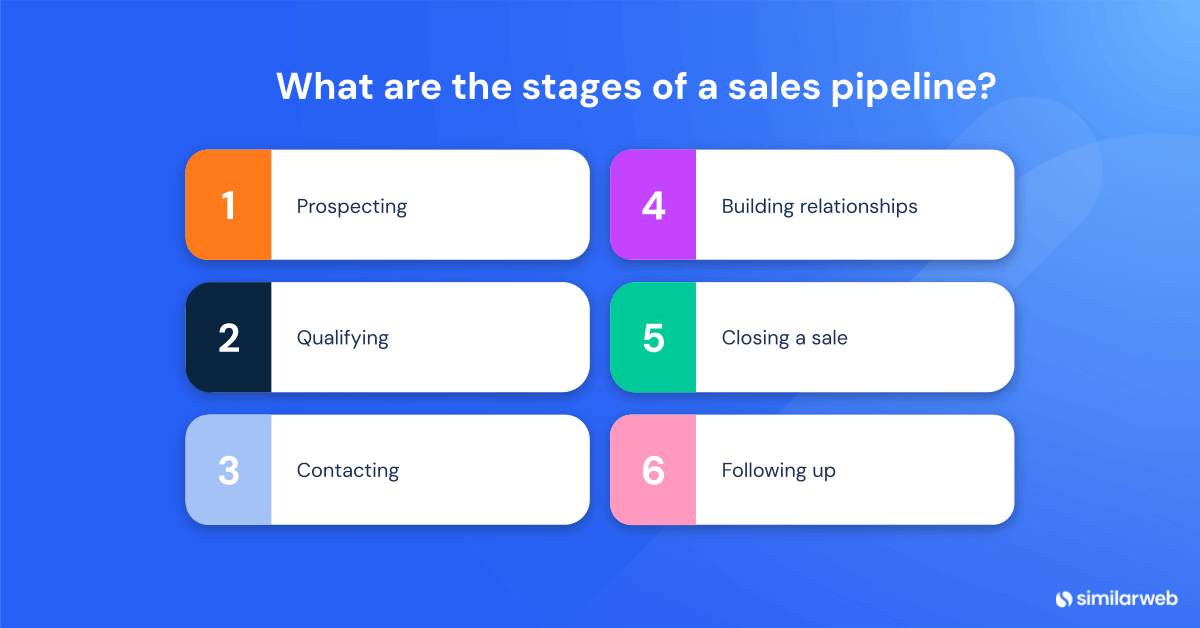
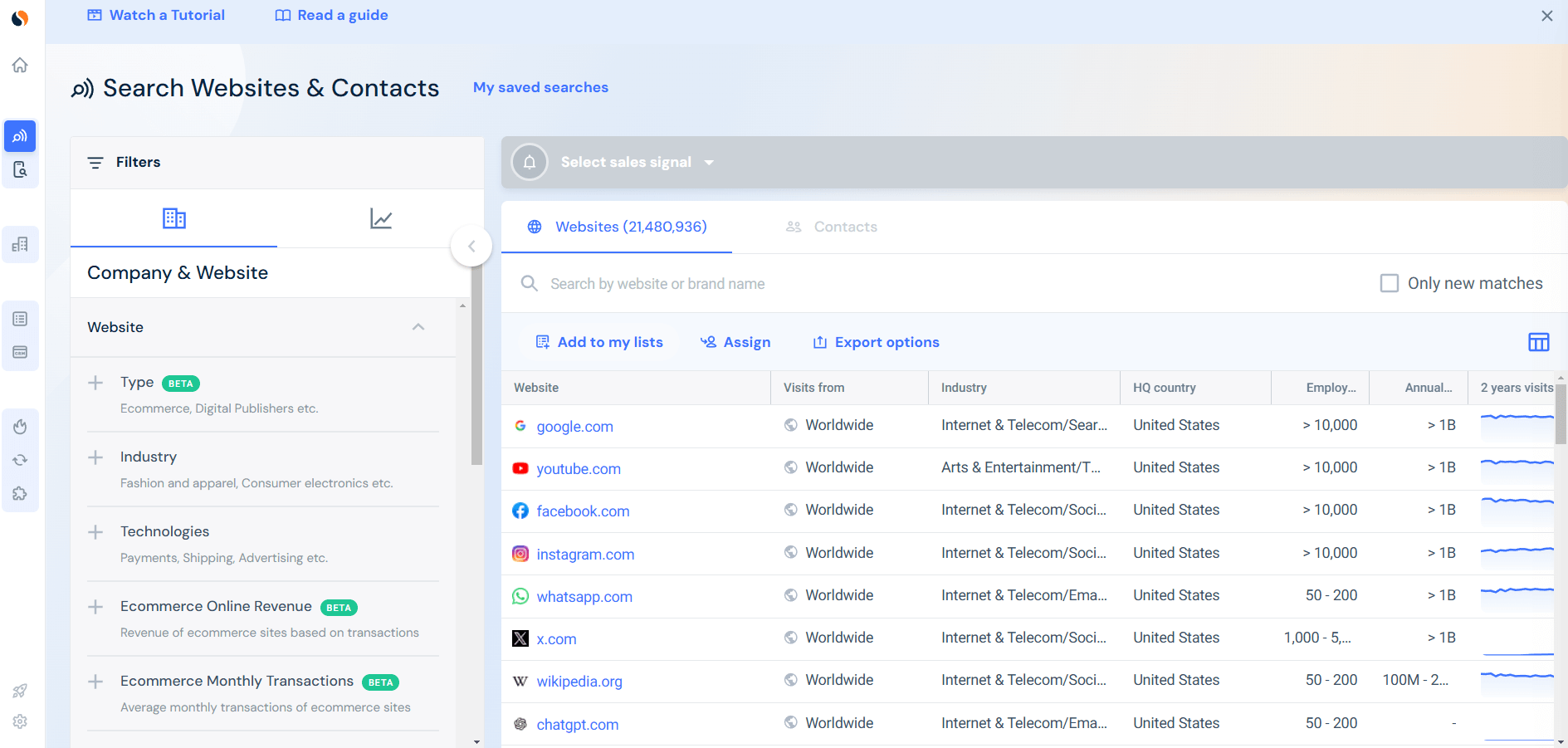
Prospecting is all about identifying high-potential leads, ensuring you focus on the right prospects from the start. The Similarweb Lead Generator is ideal for this, offering numerous filters tailored to match your Ideal Customer Profile (ICP). This functionality helps businesses easily narrow down the possibilities to focus on high-potential leads. Creating an ideal lead list is the initial and pivotal step because it prepares sales teams for targeted outreach.
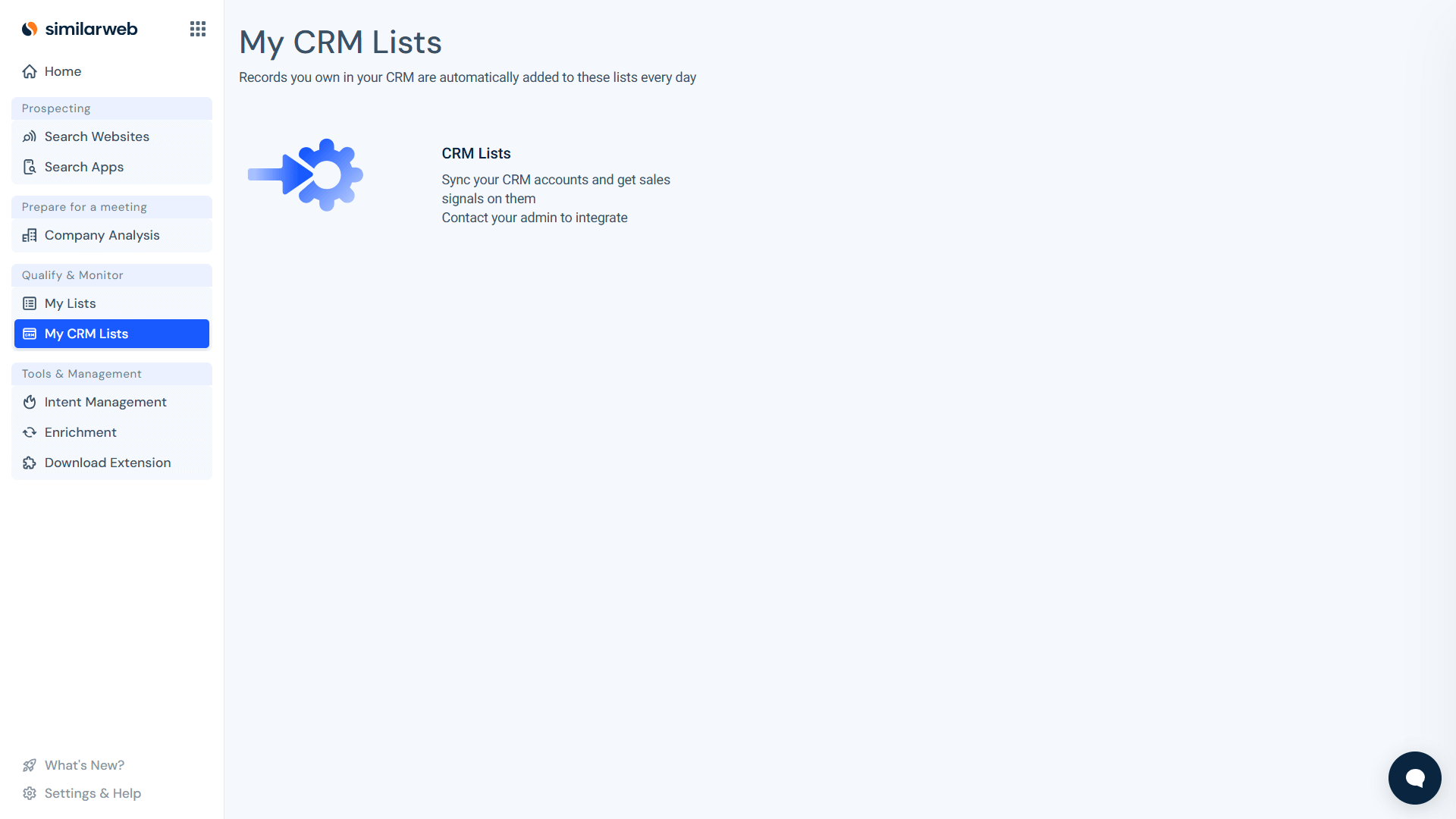
After identifying prospects, the next step is qualifying them to ensure they’re the right fit for your product or service. With Similarweb’s CRM Integration for platforms like HubSpot and Salesforce, sales teams get instant access to enriched firmographic and technographic data. That means deeper insights, smarter prospecting, and a laser-focused approach to customer acquisition. Instead of chasing dead-end leads, you can prioritize the right opportunities and make every sales effort count—maximizing ROI without the guesswork.
The initial contact point is pivotal as it directs a prospect’s journey. With Similarweb’s vast database of over 100 million contacts, sales teams can target decision-makers from the start. This tool eliminates guesswork, allowing representatives to concentrate on individuals equipped with the authority to decide. Accurate contact information reshapes outreach strategies by enhancing confidence in engagement efforts and raising the chances of moving to subsequent sales stages.
Nurturing the relationship after the first contact is crucial. Using Similarweb’s Insights Generator offers a deeper view into market gaps, positioning you to really engage with your prospects. By sharing valuable insights, sales professionals establish trust and credibility, key to converting interest into sales, setting the stage for upselling, cross-selling, and fostering long-term loyalty.
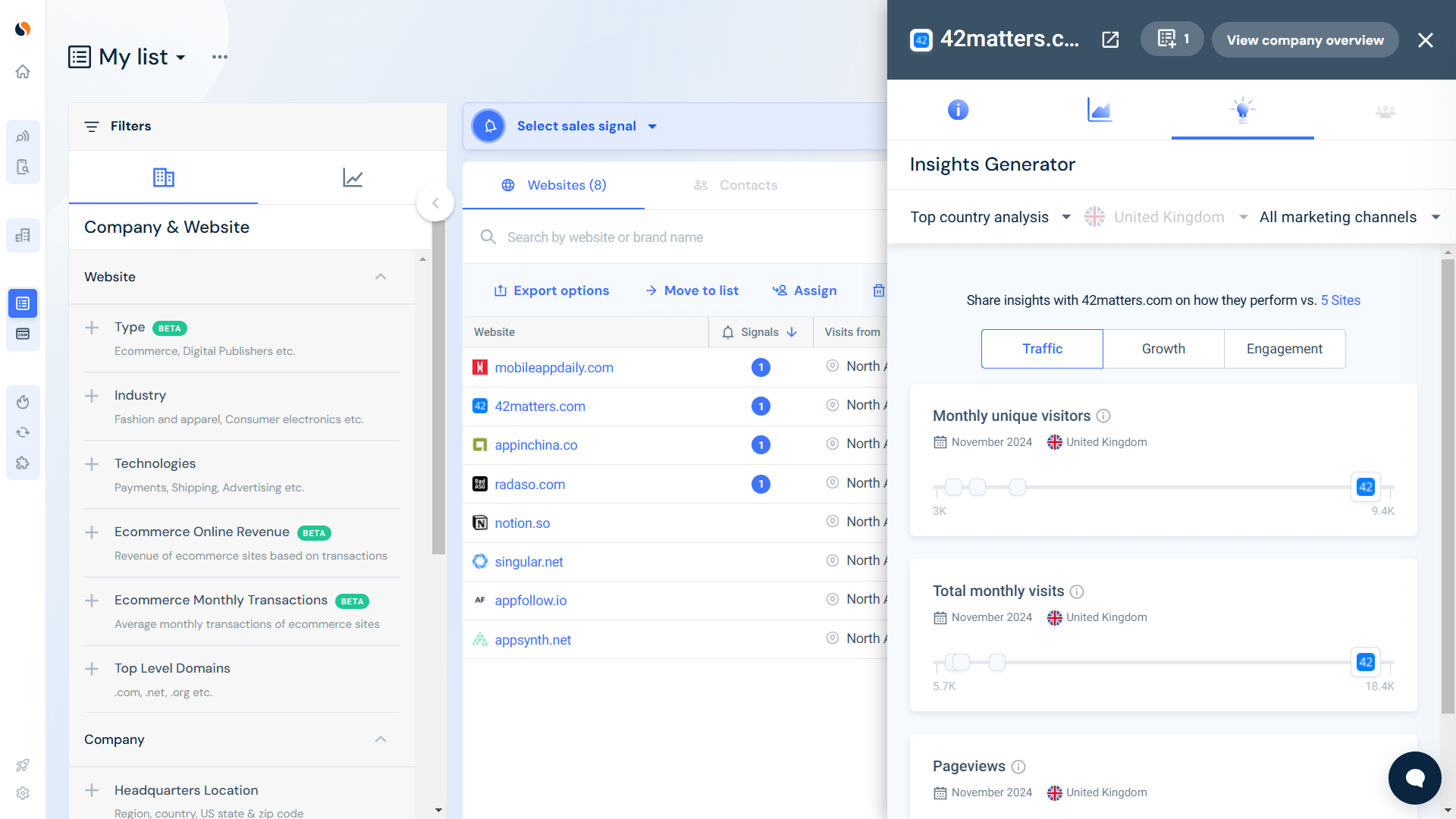
Closing the deal is about proving value. The best closers tailor proposals to each client’s needs, addressing concerns before they become roadblocks. With the right approach, a sale becomes the start of a lasting relationship built on trust, understanding, and long-term success.
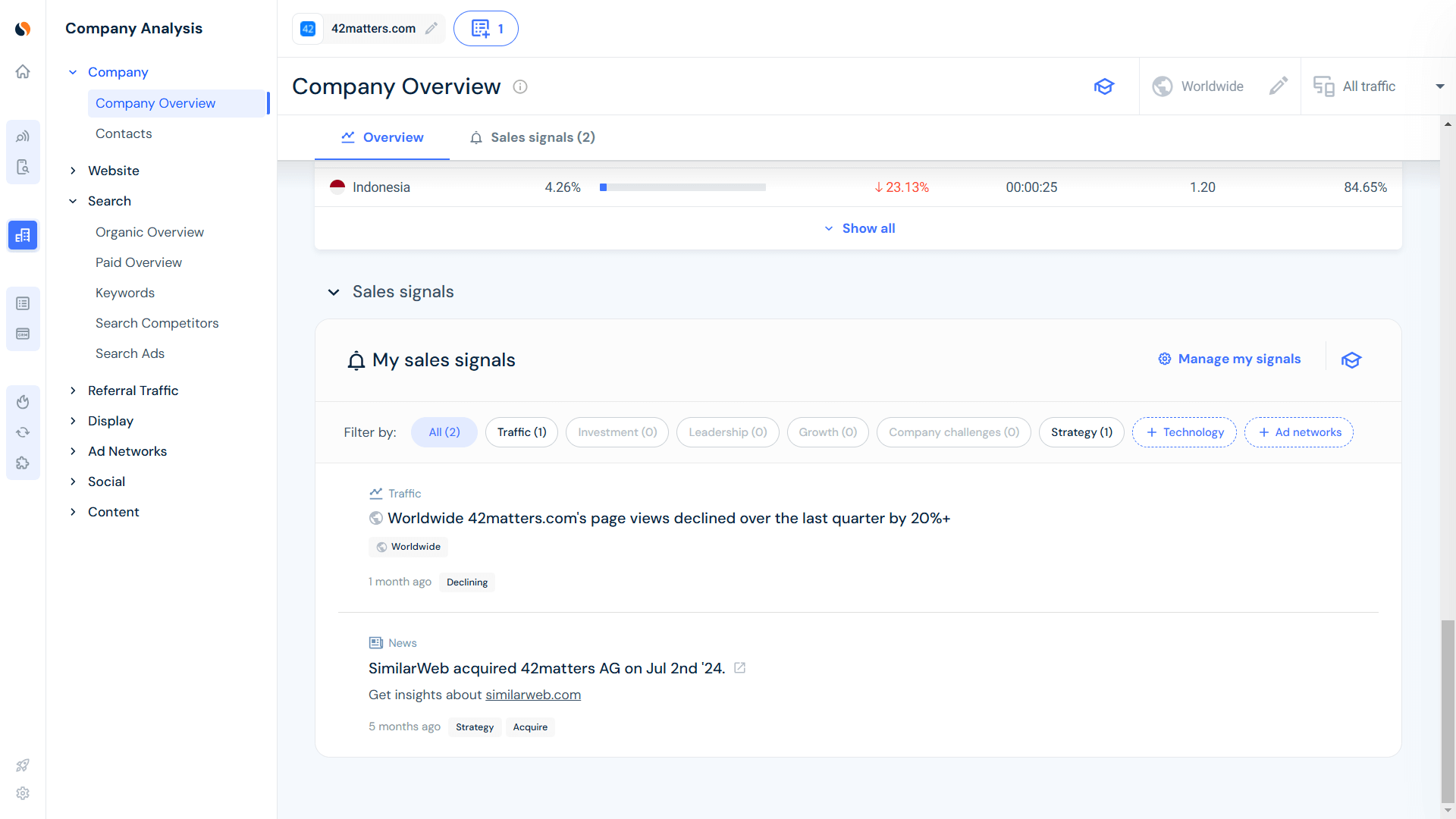
Closing the deal is just the beginning. Smart follow-ups are key to turning one-time buyers into loyal customers (and even brand advocates). With Similarweb’s Sales Signals, sales teams stay ahead of customer shifts—whether it’s a tech change, a key market move, or a sign they’re ready to re-engage. The result: more repeat business and stronger relationships.
A solid sales pipeline provides the roadmap that leads to closing more deals. The right structure keeps your team focused, uncovers weak spots, and drives smarter decisions. Here’s how to build one that fuels real growth:
A sales pipeline works best when every stage is clearly defined. Lay out each stage based on how your team sells and how your customers buy. From prospecting and qualifying to pitching, negotiating, and sealing the deal, every step should have a purpose. With a clear roadmap, your team knows exactly where to focus, what actions drive progress, and how to keep the momentum going for a smarter, smoother sales cycle.
Every step in your pipeline holds potential—it’s just a matter of knowing where to look. By tracking deals systematically, you can pinpoint what’s driving conversions, whether it’s strong early engagement or the final push to close. With the right data, you’ll uncover repeatable success patterns, refine your approach, and make smarter moves that keep deals flowing.
The key to higher conversions is spotting and acting on buying signals early. Data-driven insights help you refine your approach, turning prospects into committed buyers faster. By adapting strategies based on past wins and real-time trends, your team stays ahead—ready to negotiate, close, and keep the pipeline flowing.
Winning a deal is about staying engaged from start to finish. Building trust, proving value, and keeping prospects interested is what turns a maybe into a yes. Timely follow-ups, relevant insights, and a deep understanding of their needs ensure you’re always one step ahead, guiding leads toward the finish line.
Consistent follow-up builds trust and keeps deals moving. Checking in regularly helps clear up misunderstandings, reinforce value, and keep prospects engaged. The result is stronger relationships, higher retention, and a brand that clients remember long after the deal is done.
Building strong relationships doesn’t stop at the sale. Staying engaged with customers fosters loyalty, unlocks opportunities for upsells and cross-sells, and turns satisfied clients into your biggest champions. When customers see ongoing value, they spread the word, driving new business your way.
A well-oiled sales pipeline isn’t set-and-forget—it needs regular tune-ups to stay effective. By consistently evaluating your process, you can spot inefficiencies, refine strategies, and keep your team aligned with market demands. Use these assessment methods to sharpen performance, close more deals, and keep your pipeline flowing.
Set measurable goals to gauge your pipeline’s effectiveness. Use CRM data to monitor conversions, deal timelines, and sales potential. Regularly reviewing these metrics helps you fine-tune strategies, double down on what’s working, and fix what’s not.
Timing and targeting are crucial when it comes to lead generation. Focus on the right platforms and use enrichment tools to gather detailed insights on your prospects. The better the data, the stronger your outreach, and the higher your chances of filling your pipeline with quality leads.
Your conversion rate tells you whether your strategy is working. Regularly tracking this metric helps identify the patterns that turn prospects into customers. If your numbers are high, keep refining; if they’re low, adjust and optimize your approach.
Not all deals move at the same pace, but tracking lead age helps you spot bottlenecks. If prospects are getting stuck, figure out why and make the necessary adjustments. The faster you can move deals through the pipeline, the more efficient your sales plan becomes.
Is your pipeline strong enough to hit your revenue targets? Regularly analyze potential deals against your goals to ensure you have enough in the works. If the numbers don’t add up, it’s a signal to ramp up prospecting or refine your closing strategy.
A strong sales pipeline is the backbone of predictable growth. With Similarweb Sales Intelligence, you get the insights you need to track, refine, and optimize your pipeline in real-time. Spot the right opportunities, stay ahead of market shifts, and close deals faster. Ready to turn data into revenue?
Try Similarweb Sales Intelligence today and build a smarter, more powerful sales pipeline.
What aspects are important when setting up a sales pipeline?
It’s important to discover the key stages corresponding to your sales process. Think of each step from prospecting, qualification, proposal, and negotiation to closing. Having clear definitions helps leads flow seamlessly from one phase to the next.
How do sales pipelines cater to different industries?
Sales pipelines are versatile because they can be tailored to different industries based on different sales processes, product types, and customer journeys. Enterprises can create industry-specific stages and customize their methods to suit specific market needs.
What can be done to improve pipeline management?
It’s important to review the data and change it in accordance with the results. Automation and data centralization, such as CRMs, are vital tools. Communication within the team improves collaboration and sales cycle productivity.
Does technology influence a sales pipeline’s performance?
Yes. Technology plays a significant role by offering tools that automate repetitive processes, analyze data in real-time, and facilitate team communications. Using AI sales assistants and sales engagement tools can have a significant impact.
How can businesses handle multiple sales pipelines?
Companies can have multiple pipelines running at once to serve different product lines or customer segments. It’s essential that you have an effective CRM to easily switch between pipelines, track analytics, and analyze your performance.
by Andrea Pash
Senior Content Marketing Manager
Andrea, with her extensive marketing background and 15+ years in finance, pulls insight and crafts content for Stock Intelligence & DaaS at Similarweb. A UC Irvine grad, she's a concert lover and avid traveler.
Try Similarweb Sales Intelligence today — free of charge