





Top Ecommerce Companies in the USA: The 100 Brands Winning the Traffic Race in 2026
by Inbar Eytan6 Min.
Aug 30, 2026

Cocktails, Italian food, great people, and real talk about SEO.
Recently, we hosted the SEOFOMO gathering at Similarweb’s London HQ with SEO consultant, author, and speaker Aleyda Solis, bringing together an incredible mix of SEOs from agencies, in-house teams, and publishers. The goal was simple: get the people doing the work in one room and ask them what’s happening in SEO right now.
Across three panels, the conversations touched on technical SEO, organizational challenges, AI search, brand, and expectations for 2026. Here are the recurring themes across all three.
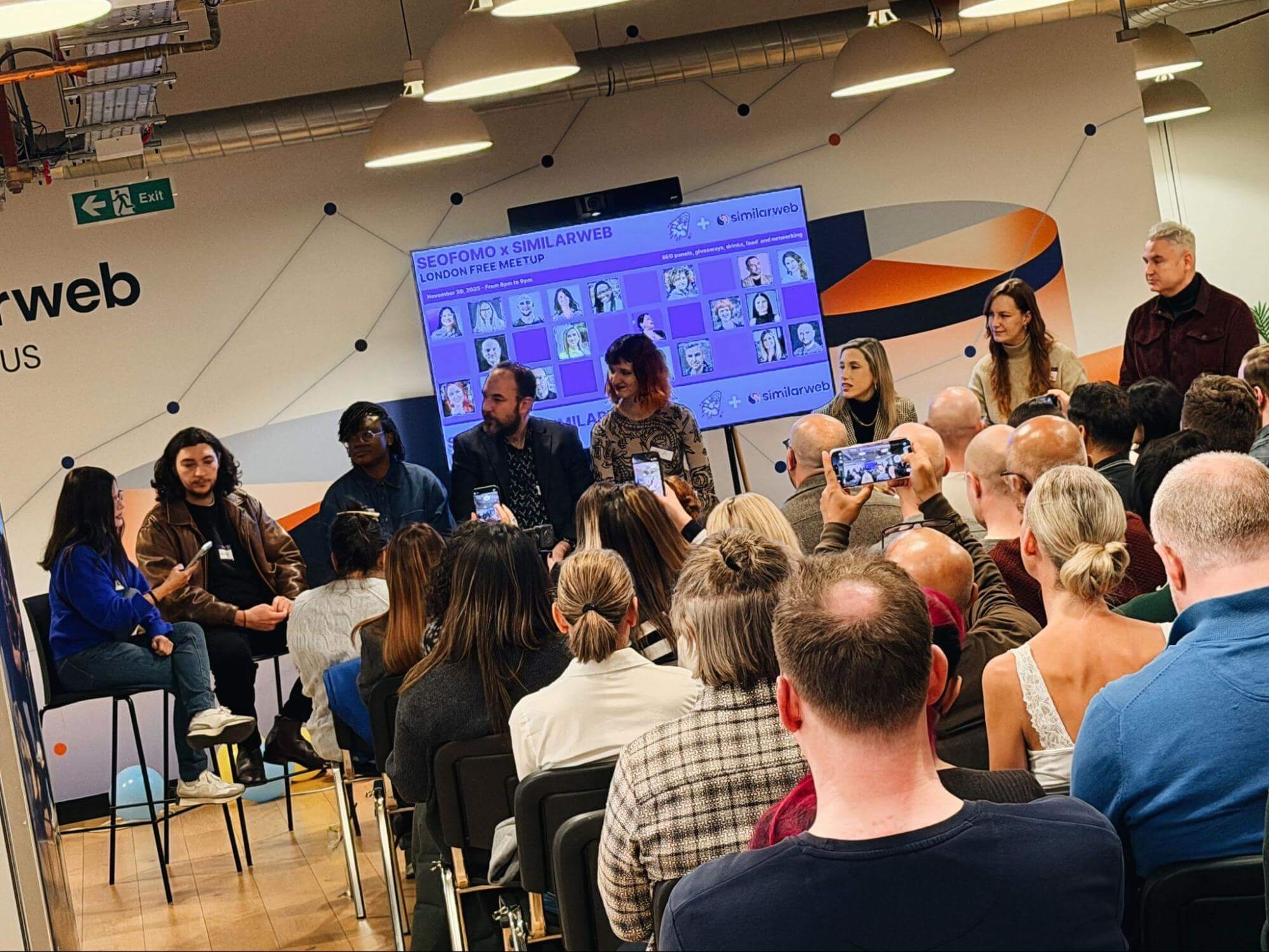
Speakers: Aleyda Solis, Anthony Barone, Miracle Inameti-Archibong, Gerry White, Iva Jovanovic, Clara Soteras, Petra Kis-Herczegh, Dan Barker
1. The fundamentals still dominate the work
Despite all the AI noise, the work itself hasn’t changed much. Most SEOs are still spending their time on the basics, such as:
👉 Whether the team supports local businesses, ecommerce, B2B, or publishers, the message was the same: too many sites still lack basic SEO hygiene.
With budgets tightening, SEOs are under pressure to show clear returns. That means more attention on:
👉 Several agencies said clients are shifting budget to PPC because it “feels fast,” stretching SEO teams thin. When that happens, SEO becomes reactive instead of strategic.
AI hype is causing real distraction. Panelists shared examples of teams:
👉 One speaker summed it up perfectly:
“Don’t show up where your audience doesn’t care. Trends aren’t strategy.”
Even with all the changes, the timeless things still matter:
👉 SEO is still about building trust over time. AI doesn’t replace that.
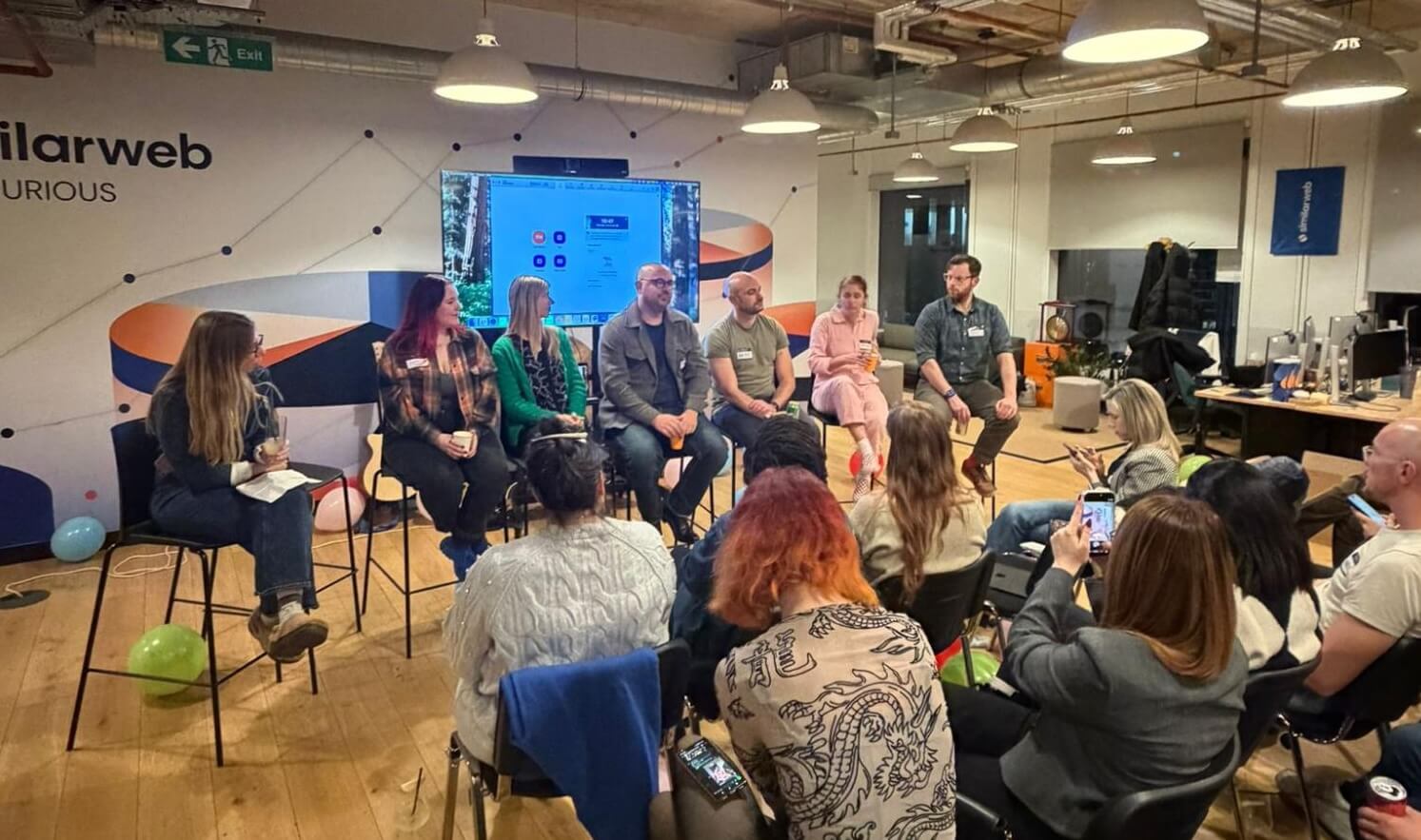
Speakers: Adelle Kehoe, Emma-Jane Stogdon, Silvia Martin, Jonathan Moore, Andy Chadwick, Emina Demiri-Watson, Chris Green
If the first panel grounded us in reality, the second panel got into the messy middle: confusion, hype, and the early signals coming from AI-powered search.
Many clients want to “track prompts,” but prompts don’t behave like search queries. They are personal, contextual, and can change each time.
That means:
👉 A better approach: measure visibility at the topic level, not the prompt level. Topics are stable. Prompts aren’t.
A lot of businesses assume AI search has already replaced traditional search. It hasn’t.
Because of the misunderstanding, some teams are:
So if AI isn’t outperforming Bing, why the fuss? As, Chris Green said: it’s the future trajectory of AI that’s driving the interest. Gen AI’s huge month-on-month rises in visits and adoption, you can’t ignore it.
👉 The advice from panel: slow down, understand the technology, and don’t make things up.
Winning in AI search isn’t about “ranking.” It’s about whether the model recognises your brand and trusts your content.
To improve this, brands need to:
👉 If the LLM doesn’t see your brand as credible, it won’t include you in responses.
Audience matters. Just like some brands don’t need a big SEO strategy because their strength is social, not every brand needs to jump into AEO right now.
In B2B SaaS, people already ask LLMs specific product questions, so being visible there can help. In ecommerce, most shoppers still use traditional search, so the shift isn’t happening at the same pace.
And for some sectors, AEO doesn’t make sense at all. Take publishers as an example: if your content is your product, giving AI direct access can in fact undermine your business model.
👉 The smartest teams today are doing three things:
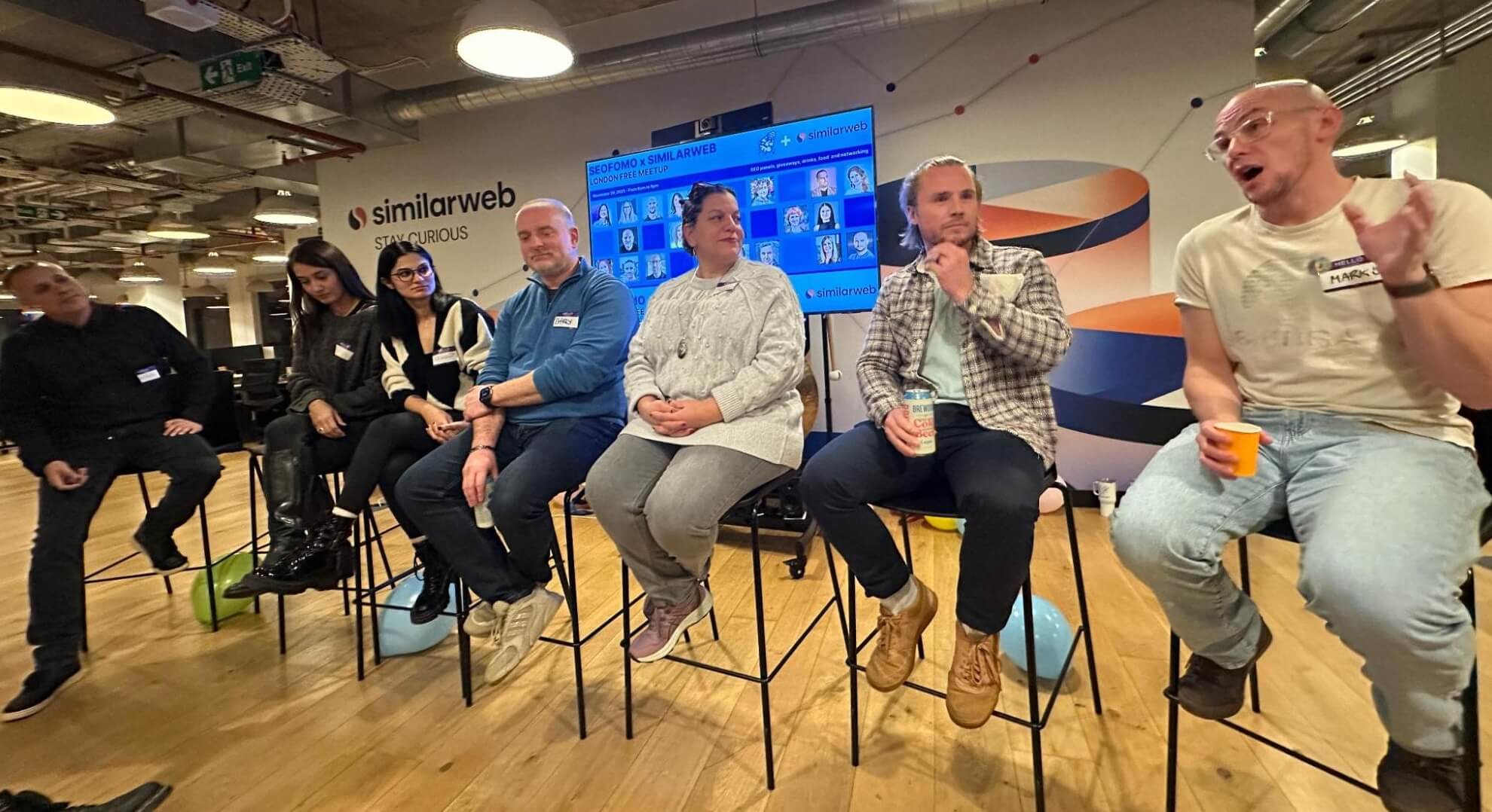
Speakers: Baruch Toledano, Yagmur Simsek, Bengü Sarıca Dinçer, Barry Adams, Harry Clarkson-Bennett, Mark Williams-Cook
The third panel zoomed out from keywords and tech to look at something deeper: brand.
If SEO used to be about signals for search engines and AI is now shaping how people discover information, what does that mean for brands?
Before the internet, your brand was what people said in person. Then it became what they said online. Now, it’s increasingly what LLMs interpret from everything they’ve read and scraped about you.
That’s a big shift. And many companies don’t have the foundations needed for it.
Panelists stressed that you can’t “control” the narrative, but you can reduce ambiguity by:
👉 If you don’t define your brand, AI will approximate it for you.
Teams shouldn’t pivot their strategy around a small amount of LLM traffic. That’s not the signal.
The real signal is:
👉 Don’t chase small spikes in LLM traffic. Focus on the real signals: a clear brand story, up-to-date content that reflects what you offer, and helpful resources that humans and AI can understand.
Traditional search often buries smaller sellers. LLMs may change that because they rely on meaning and context, not just authority.
👉 Smaller brands can benefit, but only if their content is accurate, up-to-date, and easy for AI to interpret.
Brand is becoming less about what you say and more about how the internet understands you, as well as how AI interprets that understanding.
You can’t control the narrative directly, but you can shape it by:
SEO is about signals for AI-driven understanding as well as signals for search engines. That requires better branding, clearer content, and a focused strategy. It’s not simply chasing the next shiny thing.
A moment worth celebrating 🎉
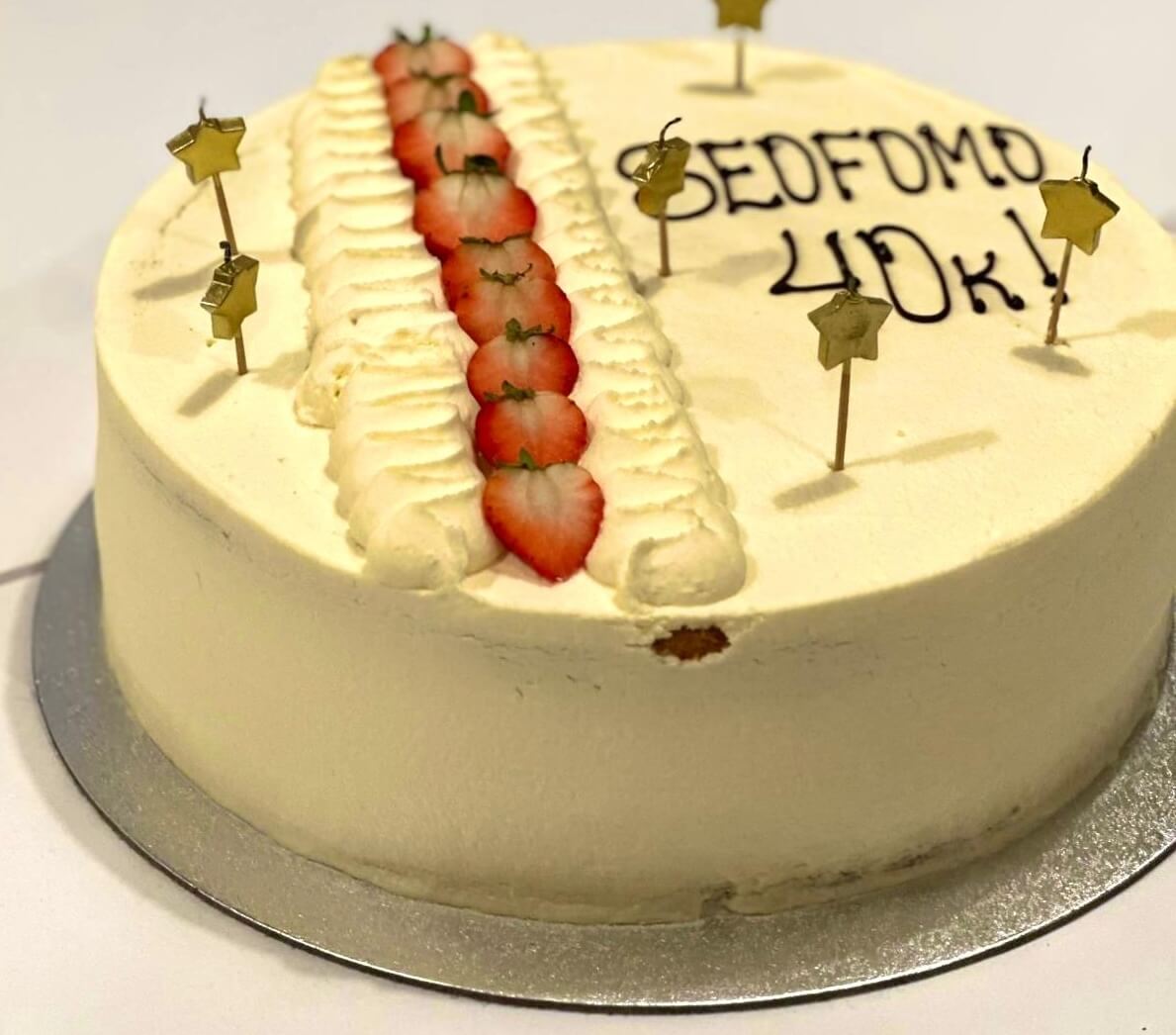
Aleyda Solis’s newsletter SEOFOMO has just crossed 40,000 subscribers! It’s a well-earned milestone for her and the SEO community, celebrated with cake and a very happy room.
And finally: a big thank you to everyone who joined us.
We hope you enjoyed the night, the food, the conversations, and the chance to hear how other SEOs are facing up to the same challenges.

by Rice Tong
Product Marketing Manager
Rice is a Product Marketing Manager at Similarweb, focused on the evolution of search and AI. She loves shaping stories that make complex ideas feel human and relatable.
Top Ecommerce Companies in the USA: The 100 Brands Winning the Traffic Race in 2026

3 of the Sharpest Minds Weigh in on the State of Gen AI in 2026

The ultimate solution to help you build the best digital strategy
