






The Top 100 Most Visited Websites in the USA (August 2026)
by Shai Belinsky10 Min.
Sep 29, 2026
 Marketing Intelligence
Google’s algorithms are constantly evolving to provide users with the best possible experience. At the core of this effort, E-E-A-T plays a big part. These principles guide how Google evaluates content, rewarding websites that offer accurate, reliable, and user-focused information.
In this post, we’ll break down what E-E-A-T means and give you actionable tips to optimize your site’s E-E-A-T signals, so you can improve your rankings. It’s worth noting that Google applies E-E-A-T to individual pieces of content as well as entire websites, and the two can influence each other.
E-E-A-T stands for Experience, Expertise, Authoritativeness, and Trustworthiness. It’s a framework Google uses to evaluate the quality and credibility of web content, particularly for sensitive topics that impact ‘Your Money or Your Life’ (YMYL), such as health, finance, or legal matters.
Initially introduced as E-A-T in 2015, the framework was updated in December 2022 with the addition of an extra ‘E’ for Experience, highlighting the value of firsthand, real-world knowledge in content creation.
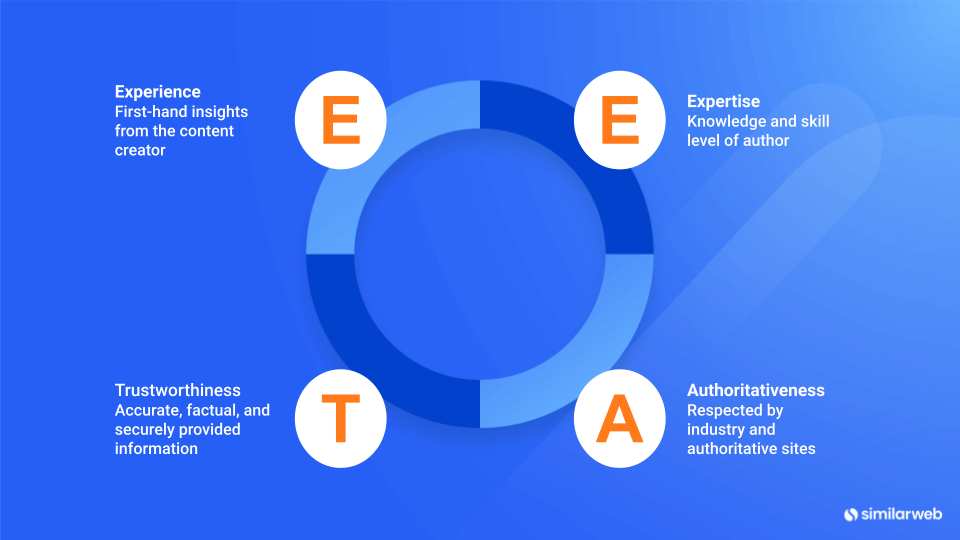
The addition of ‘Experience’ to E-A-T underscores Google’s focus on content that reflects firsthand knowledge, particularly in areas where trust and credibility are crucial.
With the rise of AI-generated content, Google sought a way to prioritize material created by individuals with direct, personal experience—an element that AI often lacks. This update enables Google to surface authentic, valuable content that better meets user needs.
E-E-A-T is a key concept in Google’s Quality Rater Guidelines, which assess the quality of web content. While it’s not a direct ranking factor, it is considered a strong signal regarding your website’s quality and credibility, so focusing on E-E-A-T often enhances a page’s ability to rank well—which will significantly influence overall search performance. Let’s break down the components of E-E-A-T and why they’re critical for SEO success:
Experience refers to firsthand knowledge and practical wisdom demonstrated by the content creator. For example, a product review written by someone who has personally used the product will exhibit more E-E-A-T than one written based solely on research or technical specifications. This type of experience builds user trust by offering a “been-there” perspective, reassuring readers with genuine insights.
Expertise measures the depth of knowledge and skills of the content creator. Content written or reviewed by a subject matter expert scores higher in E-E-A-T. For instance, an article authored by a professional with years of hands-on experience in the topic is more valuable and trustworthy than one written by a generalist. The more qualified the creator, the stronger your content’s perceived reliability and search performance.
Authoritativeness refers to the reputation of your site and its content creators within a particular niche or industry. This can be boosted by earning high-quality backlinks from reputable, authoritative websites.
For example, if you operate a DIY eCommerce site, a backlink from a well-known DIY carpentry blog will carry significantly more weight than one from a general tech blog. This relevance establishes your site as a credible resource in its field, enhancing its authority and improving rankings.
Trustworthiness is the foundation of E-E-A-T. Google assesses trust through several factors, such as:
Building trust not only helps your site rank well but also ensures visitors return, creating a loyal audience over time.
At this point, anyone who creates content on the internet should know and practice the axioms of E-E-A-T. They are important to Google in order to serve up the best results for users who are seeking the most efficient and trustworthy answers to their queries. Let’s look at some best practices to improve your site’s E-E-A-T.
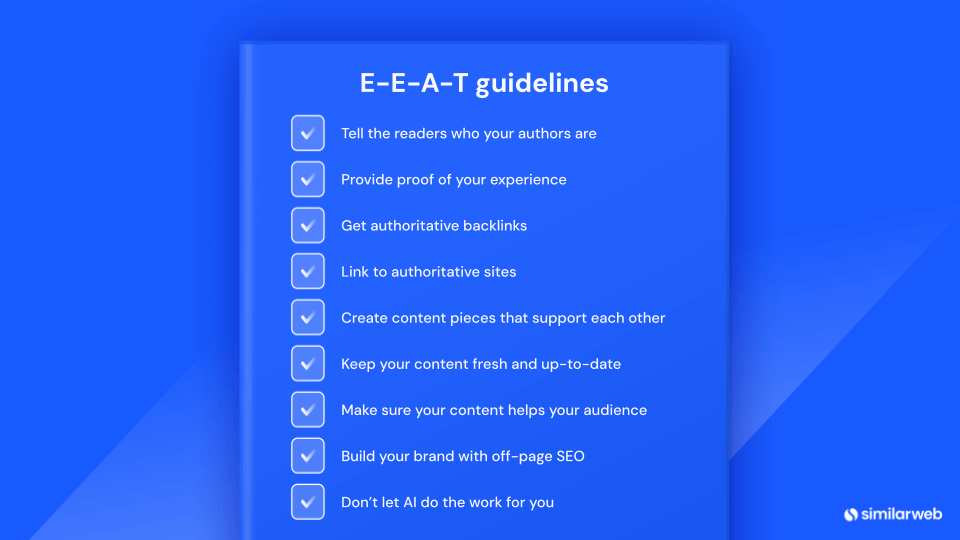
Author credibility is essential for trustworthiness. Include an author box on your posts that highlights the writer’s expertise and authority. An effective author box should feature:
This transparency builds trust with readers and search engines. Showcase certifications, achievements, or areas of expertise to add legitimacy to your content while encouraging deeper audience engagement.
Demonstrate your firsthand knowledge by sharing examples, case studies, and real-life stories. For instance:
Use recent, reputable sources to back your points and ensure your content resonates with industry peers and potential clients alike.
Strong backlinks are crucial for keeping your site’s authority and rankings strong. It’s not about the number of backlinks but the quality. Links from trusted sites in your industry make your site more credible to Google.
Also, networking with influencers and thought leaders can open up opportunities for guest posts and links. Attend industry conferences, webinars, and follow blogs to connect with key figures.
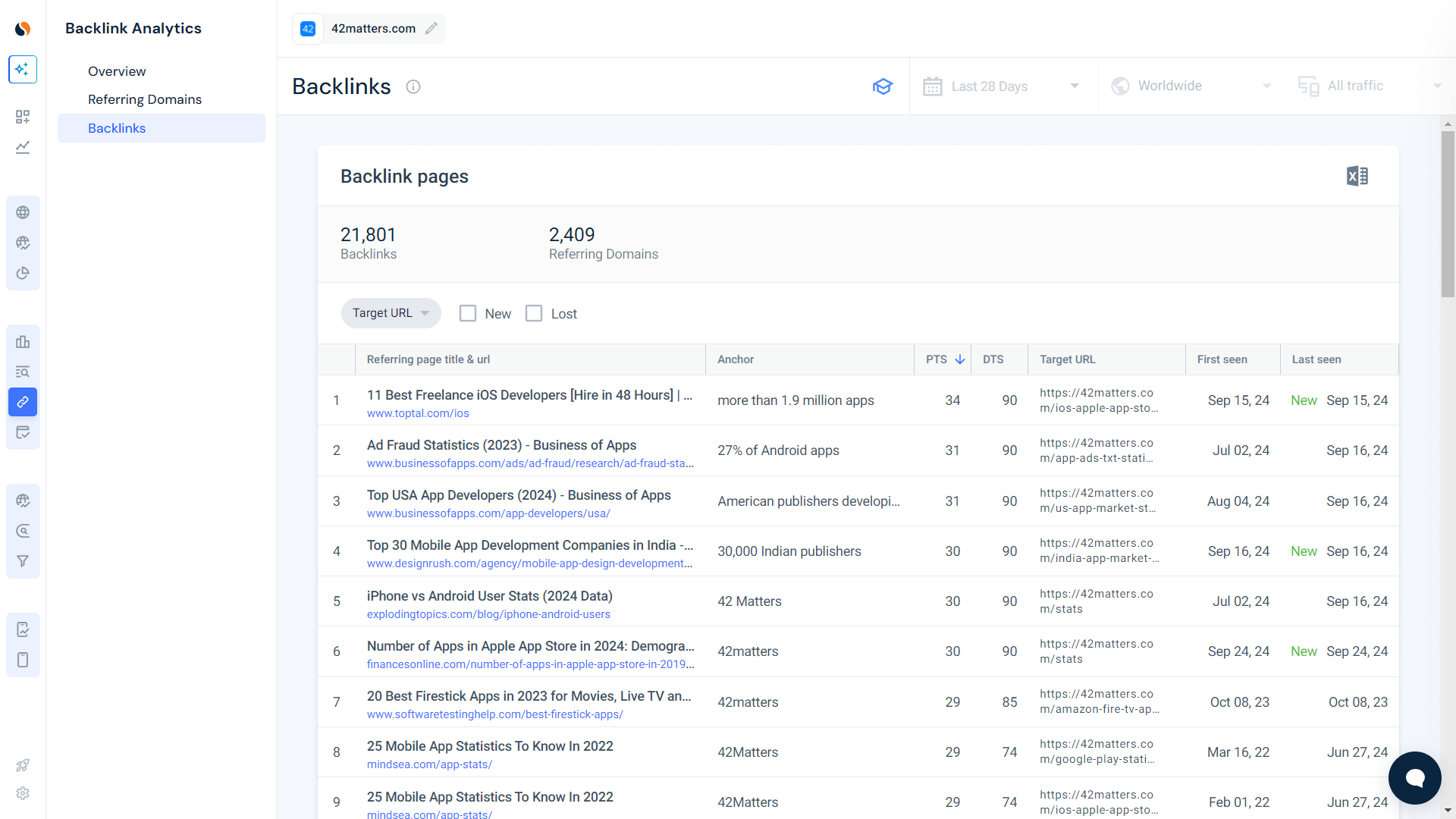
Use our Backlink Analytics tool to find your backlinks, and potential competitors’ backlinks.
Go to Backlink Analytics > Backlinks report can help you find great link opportunities.
Inserting links to reliable sources in your content helps validate your information and boost your credibility. Make sure those links lead readers to reliable, well-regarded authorities in your field.
Make sure to check that the sources you use are up-to-date and relevant to the content of your piece. Quoting studies, articles, and expert opinions can add credibility to your articles, showing your readers that you have done your research and that you are providing your readers with the most accurate information possible.
You should also build internal links to your own articles on similar topics to increase topical authority. This allows you to create a network of interlinked articles exploring different aspects of a subject in greater depth.
A topical map can help you not only structure your articles in a way that’s interconnected and that can cover a subject on a more detailed level, but also generate a site architecture that improves your SEO and UX (user experience) by making your site more informative for your audience.
To achieve this:
By planning a content strategy where each piece complements and supports the others, you make your site a comprehensive resource for visitors. This approach not only enhances individual article relevance but also strengthens the overall value of your site.
Updating your content regularly signals to Google that your site is current, relevant, and valuable. This involves not only adding new information but also:
To stay on top of updates you should use an SEO audit tool to set up a content audit calendar and monitor when content needs refreshing.
Consider refreshing content for seasonal relevance or incorporating new developments in your industry. Whether it’s a minor tweak or a significant update, regularly revising your content demonstrates engagement and authority, which can lead to higher user trust and better search engine rankings.
Creating content that directly answers your audience’s questions and solves their problems is key to increasing user engagement and aligning with Google’s E-E-A-T principles.
To encourage repeat visitation:
Understanding and meeting user needs builds trust and loyalty, ensuring that your content remains relevant and valuable over time.
Creating great content is important, but if you want to build a trusted brand with a loyal following, you need to tap into social shares, influencer endorsements, and user-generated content (UGC) from around the web.
Encourage your customers to leave reviews on familiar platforms, and share positive ones to help boost your brand’s credibility. Engaging with your audience on social media not only helps build your brand but also makes it more recognizable and trustworthy, which aligns with Google’s E-E-A-T guidelines.
Your brand’s messaging and visual identity should be consistent across all platforms. This helps create a strong, recognizable brand that your users can rely on. Off-page SEO plays a big role here too, as building your brand’s presence outside your website—through social media, reviews, and influencer partnerships—will strengthen its trustworthiness and overall authority. Together, off-page SEO and brand-building work hand in hand to help your site stand out.
AI tools can be valuable for content creation, but they lack the human touch of experience and expertise. Use AI to streamline processes like keyword research or data analysis, but always have a human review and refine the output. This ensures the content reflects E-E-A-T principles: experience, expertise, authoritativeness, and trustworthiness.
While automation boosts efficiency, human input is essential for authenticity and personalization. AI may assist in structuring data or generating ideas, but it’s the experienced writer who weaves compelling stories, shares meaningful insights, and builds the connection that drives engagement.
This also helps to keep the content authentic by upholding a vibrant human connection to what you’re sharing, which is important for engagement over the long term, so to speak.
Improving your E-E-A-T is key to ranking higher on Google and staying ahead in the game. Similarweb is here to support you every step of the way. As you implement these strategies, you’ll not only align with Google’s guidelines but also create content that truly benefits your audience.
The list includes actionable steps for improving E-E-A-T on the domain level, refining your content strategy as a whole, optimizing individual blog posts, and ensuring author credibility. Using tools and tactics to boost E-E-A-T can give you long-term SEO success. Don’t miss the chance to apply these best practices to gain a competitive edge and strengthen your brand’s trustworthiness.
Get your own copy of our E-E-A-T checklist here
Enhancing your E-E-A-T (Experience, Expertise, Authoritativeness, and Trustworthiness) signals is key to improving your site’s credibility and climbing Google’s rankings. By aligning with these principles, you’ll not only meet Google’s guidelines but also create audience-focused, valuable content that outshines competitors.
With Similarweb’s tools and proven SEO tactics, you can implement proven strategies to bolster your E-E-A-T and achieve long-term organic growth. Leverage insights to refine your approach, improve content quality, and optimize your SEO performance across the board.

by Lior Shapira
SEO Manager
Lior is an SEO Manager at Similarweb. She who is passionate about content creation and learning new tools. Outside Similarweb, she manages a few blogs and writes for a newspaper.
The Top 100 Most Visited Websites in the USA (August 2026)
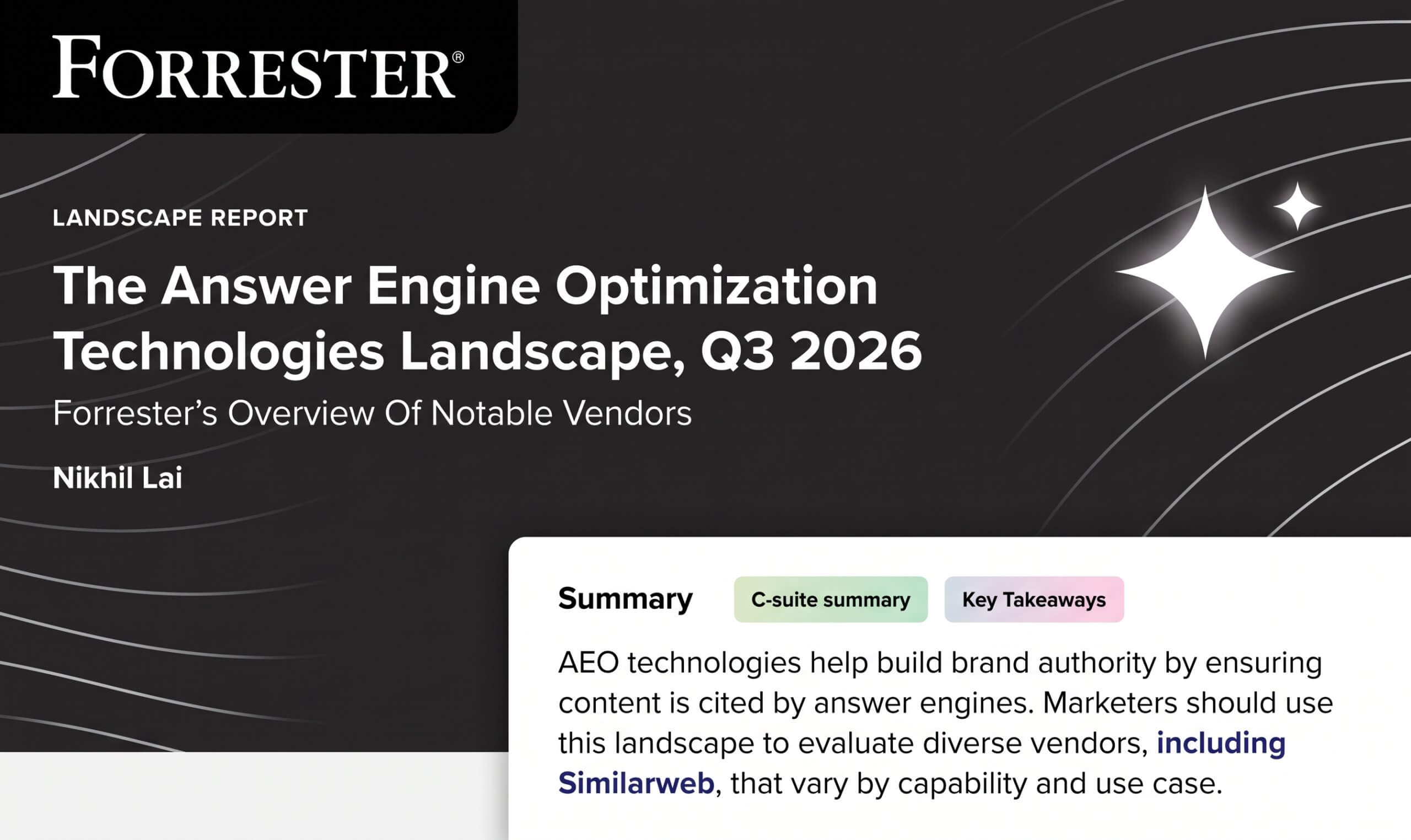
Similarweb Named in Forrester's Answer Engine Optimization Technologies Landscape, Q3 2026

Anthropic IPO: What Claude's Web and App Data Show
Give it a try or talk to our marketing team - it’s free!
