
3 of the Sharpest Minds Weigh in on the State of Gen AI in 2026
by Darrell Mordecai3 Min.
Aug 26, 2026

While Character AI saw usage explode after ChatGPT drew attention to the potential of AI chatbots, it was always playing a different and more cheeky game – one that seems to be allowing it to continue to grow even as ChatGPT’s growth stutters.
After we reported recently that Character AI’s web traffic had dropped in June, at the same time that ChatGPT’s chat.openai.com experienced its first hiccup, a Character AI spokesperson reached out to ask us to look at the extent to which mobile web visitors had become users of the company’s newly launched apps for iOS and Android. “Character.AI launched Android and IOS apps in late May, which have been downloaded more than 8 million times as of the beginning of August. Previously, most Character.AI usage was on mobile web, and a large fraction of those users have now migrated to using the app,” he said.
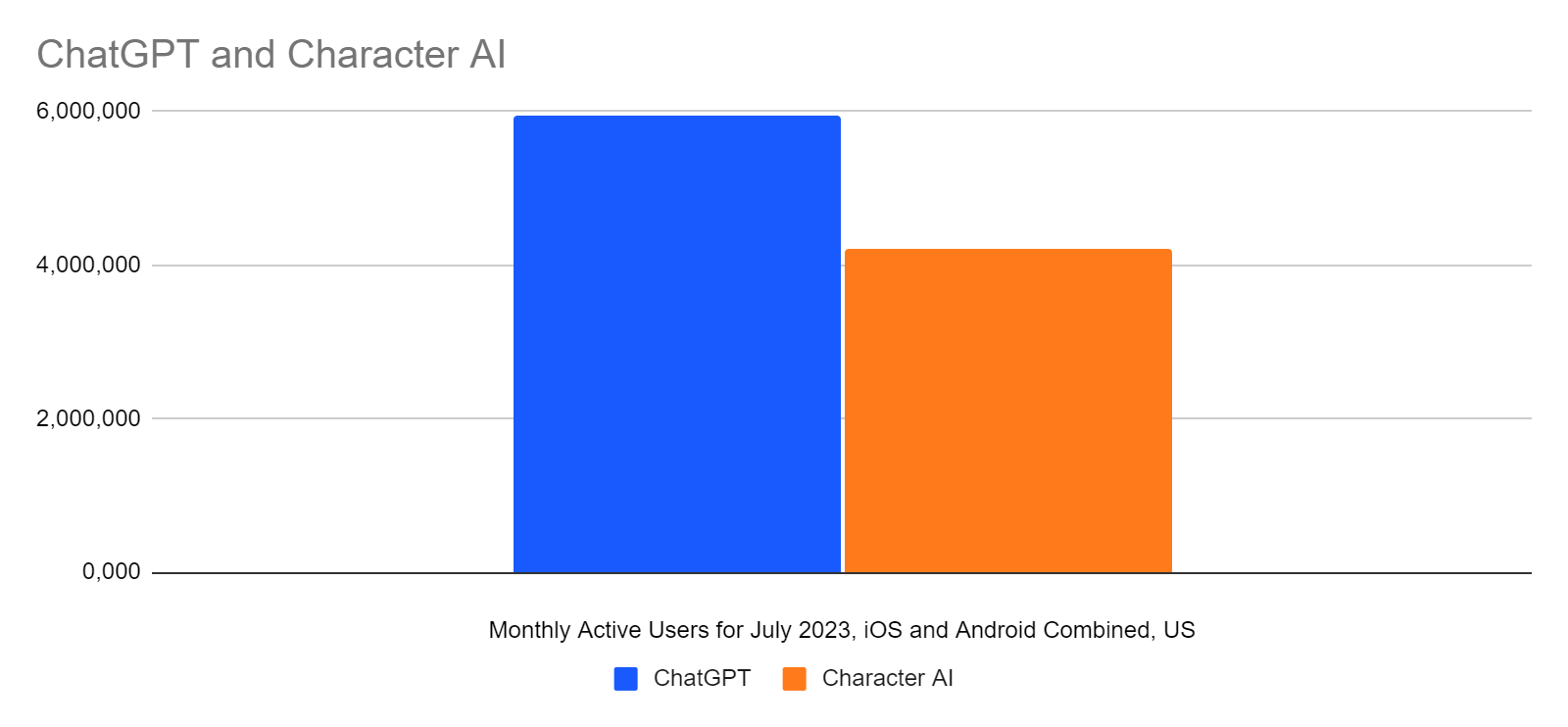
Similarweb app engagement estimates support his case that users haven’t abandoned Character AI but have instead turned from web users to users of its apps, which now have more than 4.2 million monthly active users in the US alone.
Something similar may be going on with ChatGPT, which introduced an iOS app in May and followed up with an Android app at the end of July, attracting nearly 6 million monthly active users in the US as of July. However, the case for ChatGPT web users becoming app users is not as clear.
While both ChatGPT and Character AI use large language models to deliver an AI chat service, Character AI has a much different personality than ChatGPT or any of the bots trying to deliver a next-generation search experience or streamlined access to information. Character AI, which allows users to define a historical fictional character to join them in online conversations, tells users not to take the experience “too seriously” or expect the bots to deliver authoritative information – insulating the app from some of the complaints about chatbot “hallucinations.”
Character AI’s founders originally explored the potential of large language models at Google but left when they felt the company was too slow to release their product.
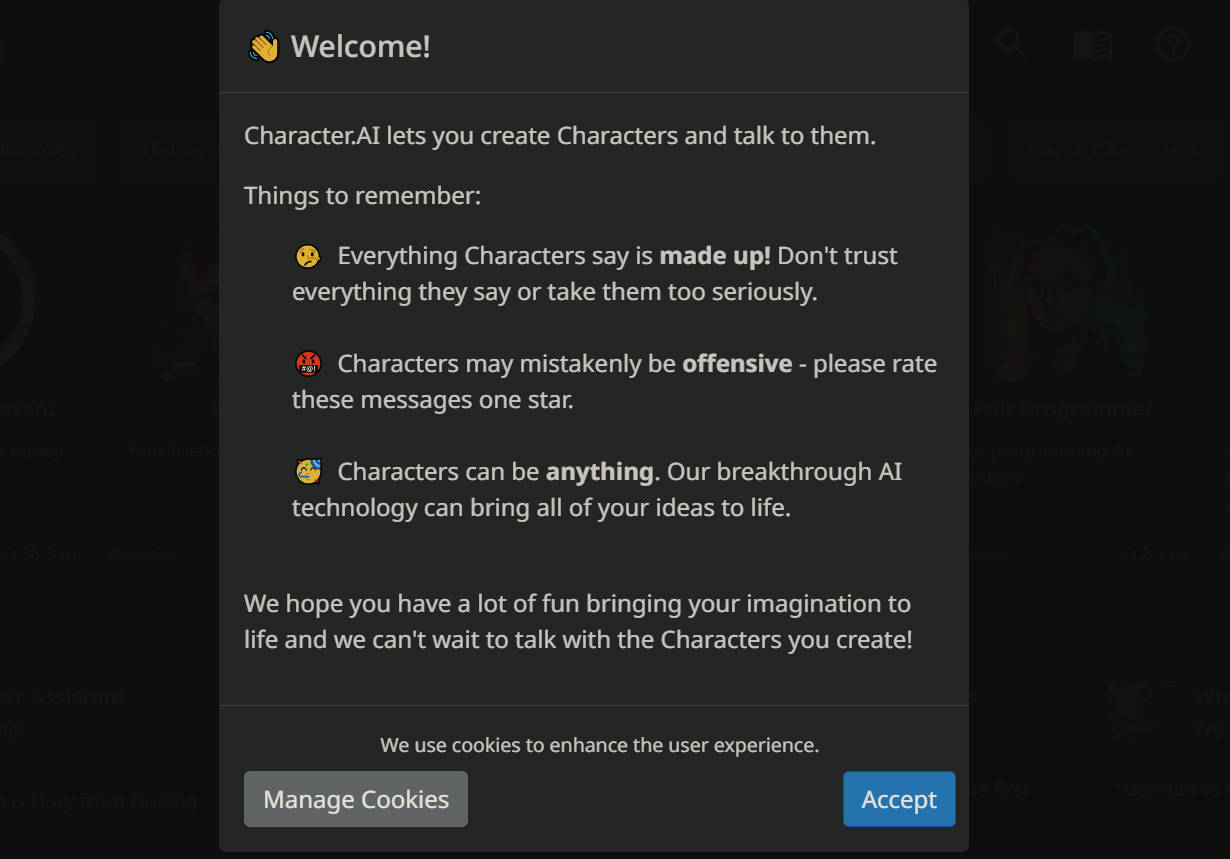
Since it’s positioned as entertainment, users may be more likely to think of it as a game they would like to have on their phones.
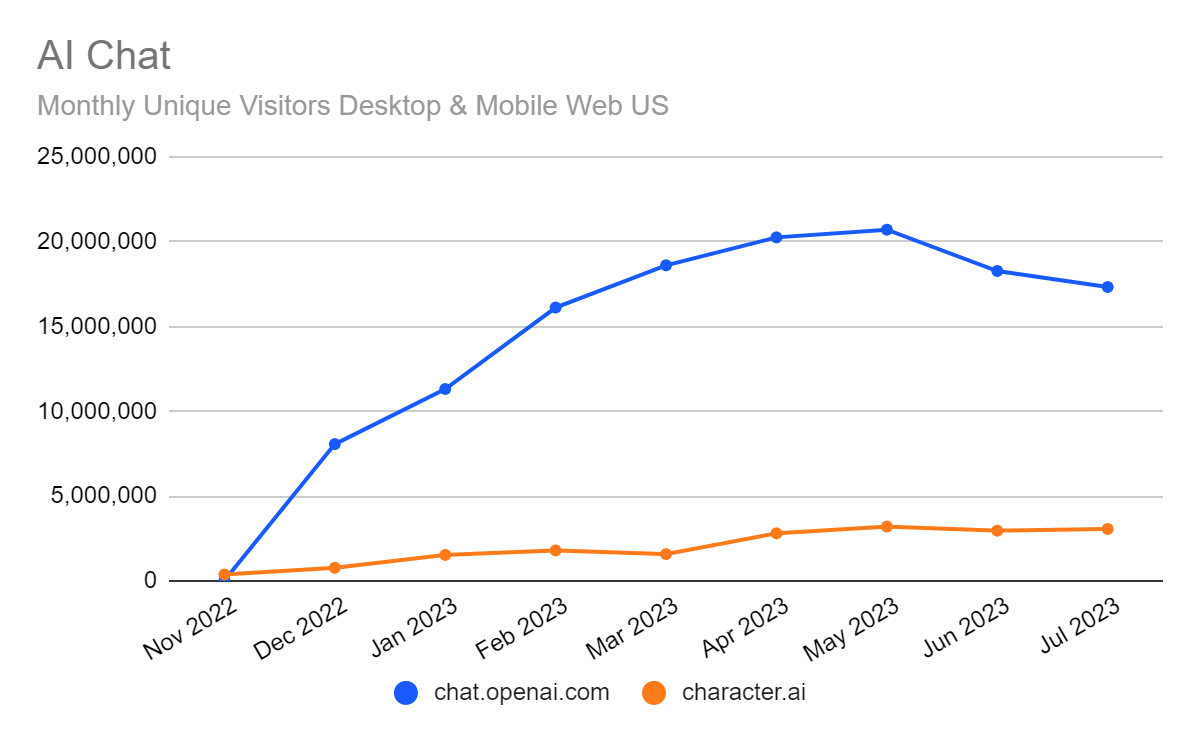
In a previous report, we cited a web traffic drop, as measured by the number of visits worldwide, of 9.7% in July and 9.6% in June for ChatGPT, and said that Character AI’s traffic had also dropped by 32.4% in June but bounced back with an 8.4% month-over-month increase in July. Rather than total traffic by visits, which can include multiple visits by the same person, this report focuses on estimates of unique visitors – which are more comparable to the monthly active users metric for mobile apps.
The number of unique visitors to the ChatGPT and Character AI websites also dropped over those months. Unique visitors to the ChatGPT website dropped by 5.7% in June and by 9.5% in July, while unique visitors to the Character AI website dropped by 14.4% in June and 9.5% in July.
For our comparison of web visitors to app users, we focused on US traffic: unique visitors dropped 11.8% in June and 5.2% in July for ChatGPT. Character AI unique visitors dropped 7.5% in June, but rebounded with a 3.4% uptick in July. That still left Character AI with a slightly lower unique visitors count on the web, but not compared with its growth in app users.
Here’s how the mobile app portion of Character AI’s web traffic dropped after the launch of its app.
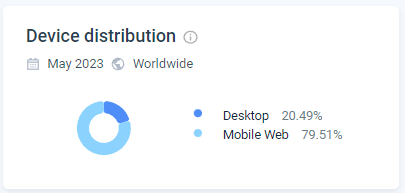
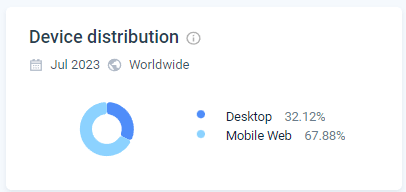
From nearly 80% in May, the percentage of web traffic from mobile browsers dropped to about 68% in July. In the US, 75% of character.ai’s web traffic came from mobile browsers in May, but by July that was down to 65%.
In the US, where we have the best visibility into combined app engagement for iOS and Android, Character AI has about two-thirds as many monthly active users as ChatGPT. We might expect ChatGPT’s user count to rise significantly over the coming month, given that its Android app was only released at the end of July.
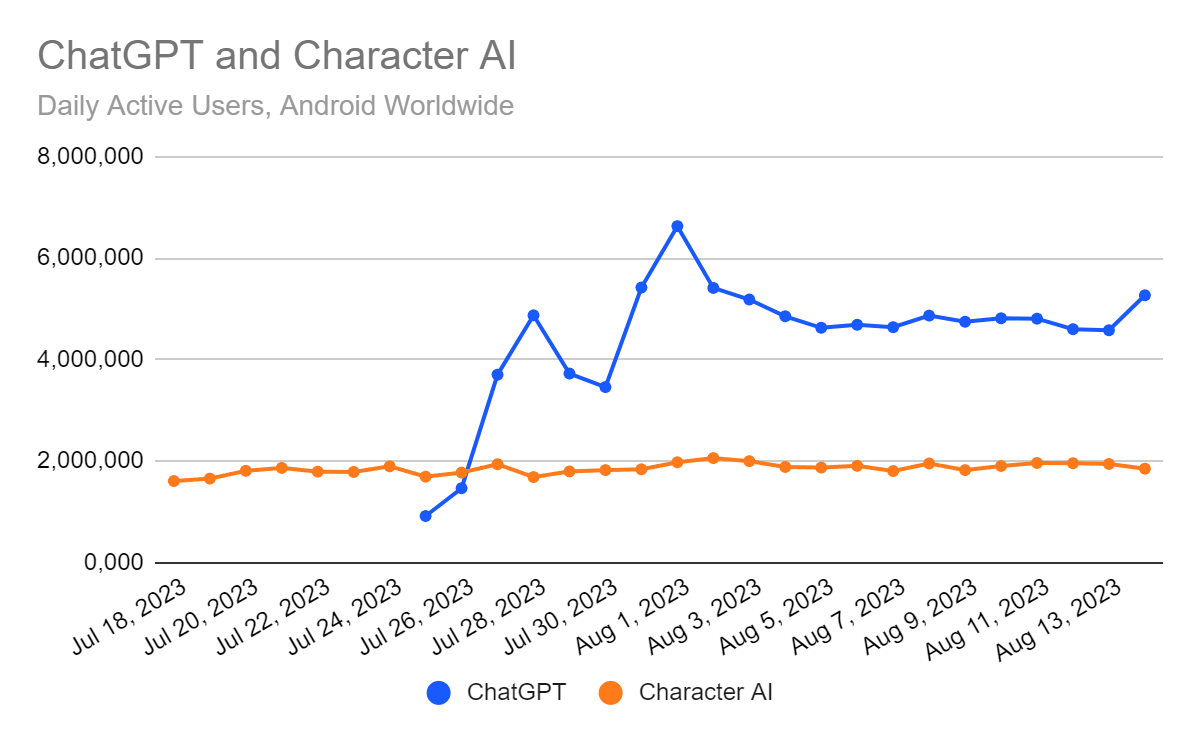
If we look at daily active users for Android, where we have better worldwide visibility, we can see that ChatGPT has outperformed Character AI by user count …
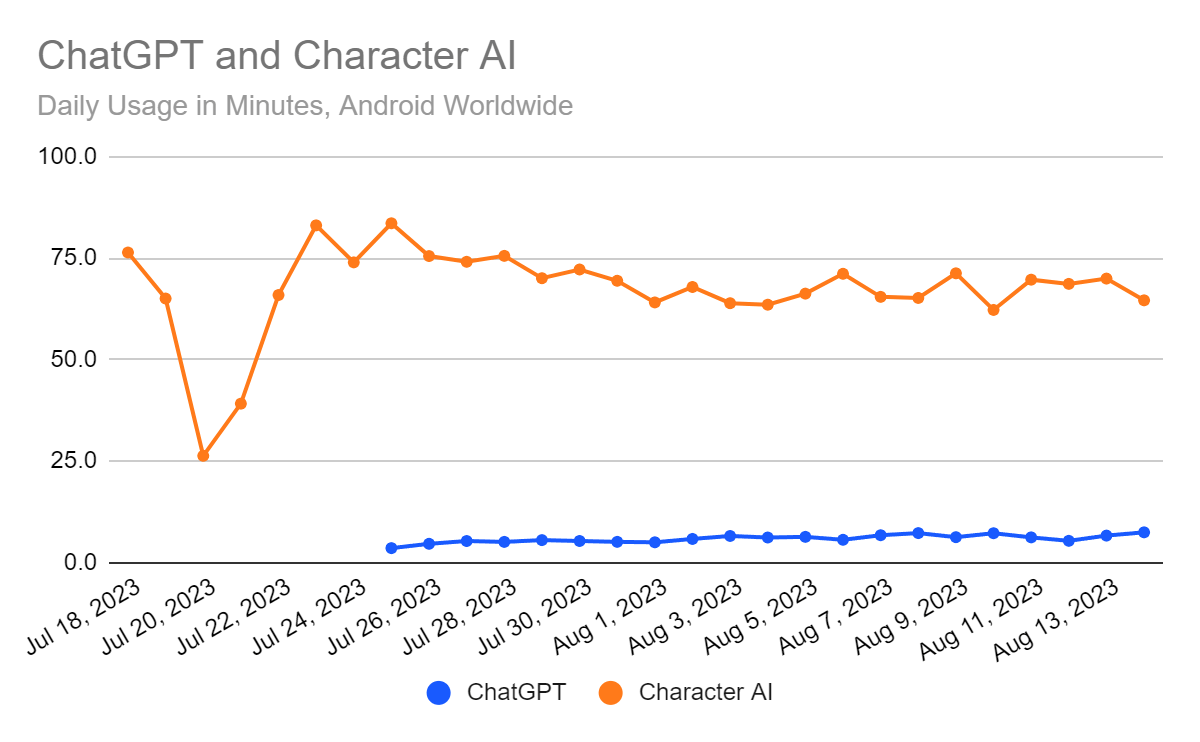
… but Character AI users spend more time using (or playing with?) the app.
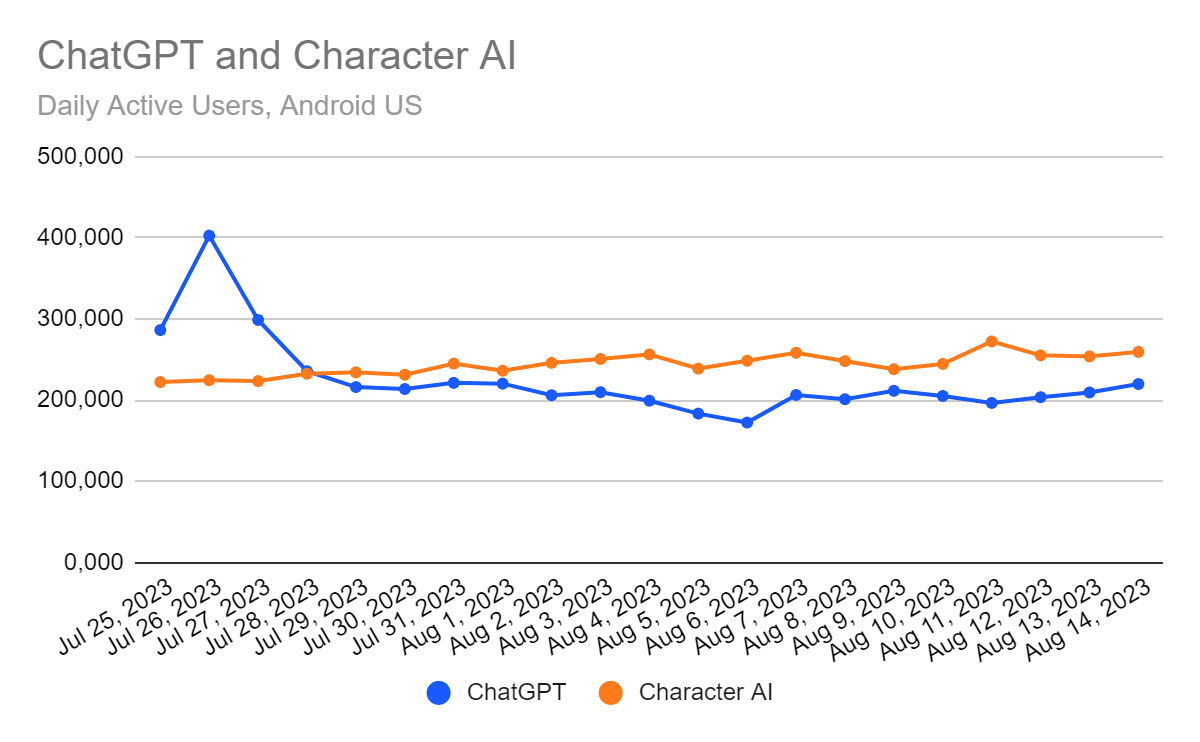
In the US, the gap in minutes of use is similar, but Character AI actually had a slight lead over ChatGPT in daily active users for most of the past month.
Character AI has taken a significantly different, and potentially more sustainable, approach to finding out what makes an AI chatbot fun to interact with – and to carry in your pocket.
The Similarweb Insights & Communications team is available to pull additional or updated data on request for the news media (journalists are invited to write to press@similarweb.com). When citing our data, please reference Similarweb as the source and link back to the most relevant blog post or similarweb.com/blog/insights/.
Contact: For more information, please write to press@similarweb.com.
Disclaimer: All names, brands, trademarks, and registered trademarks are the property of their respective owners. The data, reports, and other materials provided or made available by Similarweb consist of or include estimated metrics and digital insights generated by Similarweb using its proprietary algorithms, based on information collected by Similarweb from multiple sources using its advanced data methodologies. Similarweb shall not be responsible for the accuracy of such data, reports, and materials and shall have no liability for any decision by any third party based in whole or in part on such data, reports, and materials.

David covers social media, digital advertising, and generative AI. With a background in web trends since the 1990s, he’s also the author of "Social Collaboration for Dummies".
Give it a try or talk to our insights team — don’t worry, it’s free!