





Top Ecommerce Companies in the USA: The 100 Brands Winning the Traffic Race in 2026
by Inbar Eytan6 Min.
Aug 30, 2026
 Marketing Intelligence
Whether you’re managing marketing for a scrappy startup or steering strategy at an established enterprise, you need real, actionable content marketing tips that move the needle.
We’ll zero in on content marketing tips for small-sized businesses—the kind of practical advice that helps you cut through the noise, increase traffic, and build a loyal audience.
And yes, even if you’re just starting, this isn’t another vague beginner’s checklist. We’ve got insights that you can implement right away.
From using a free keyword generator to reveal what your audience is searching for, to learning how to check website traffic and see what’s working (and what’s not), these are the tactics built for 2025. You’ll also get ideas from the top websites and top apps your audience already loves, so you’re never guessing what content connects.
If you’re a marketing manager or content lead trying to deliver real value, whether for startups or scaled-up enterprises, you already know that the bar keeps rising. So why lean into content marketing? Because it still works. Below are the big reasons it should sit at the heart of your strategy:
Content is like your digital handshake. High-quality articles, guides, and tips show you know your stuff.
Trust leads to retention and conversion. People stick around (and buy) when they see consistent value. Whether you’re sharing tips or a tactical how-to post, useful equals credible.
Content that speaks directly to a customer’s challenge drives real user interaction.
From short-form tips to full-scale guides, the goal is the same – to spark interaction, not with fluff, but with ideas that help. Increased user interaction increases recall, brand preference, and the likelihood they’ll take action when it counts.
Here’s where content does some heavy lifting. When you weave in relevant keywords (yes, that’s where your free keyword generator comes in), you’re optimizing.
SEO-focused content marketing brings in the right kind of visitors. That means organic leads from people already looking for what you’re offering. It’s discoverability with intent.
Advertising can be expensive. But content? Less so—and it keeps working long after you hit publish.
For small businesses, especially, content marketing can stretch your budget and still attract high-quality leads. If you have a good blog post or guide, it gets indexed and keeps bringing in traffic for months, unlike paid ads that usually expire.
Think of it as building a lead-gen engine—without the constant spend.
Want loyal customers? Show up regularly with content that helps them. You create value over time when you address their problems and offer solutions. That repeated value builds familiarity, trust, and long-term loyalty.
Whether it’s a step-by-step guide or a curated list of tips, helpful content empowers your audience. It removes friction and simplifies decision-making. It gives people what they need to move forward confidently, and that confidence often leads to conversion.
Educated customers are loyal customers. And they buy more.
Online trends change fast. Your content needs to keep up.
That means updating, refining, and sometimes rethinking your plan based on the data. Content is a live part of your strategy. You adjust based on performance and market behavior to stay relevant.
These are tactical, tested tips, built for content and marketing managers who want measurable effectiveness.
From matching your KPIs to implementing SEO and making use of data-backed storytelling, we’re covering it all. So let’s get into it.
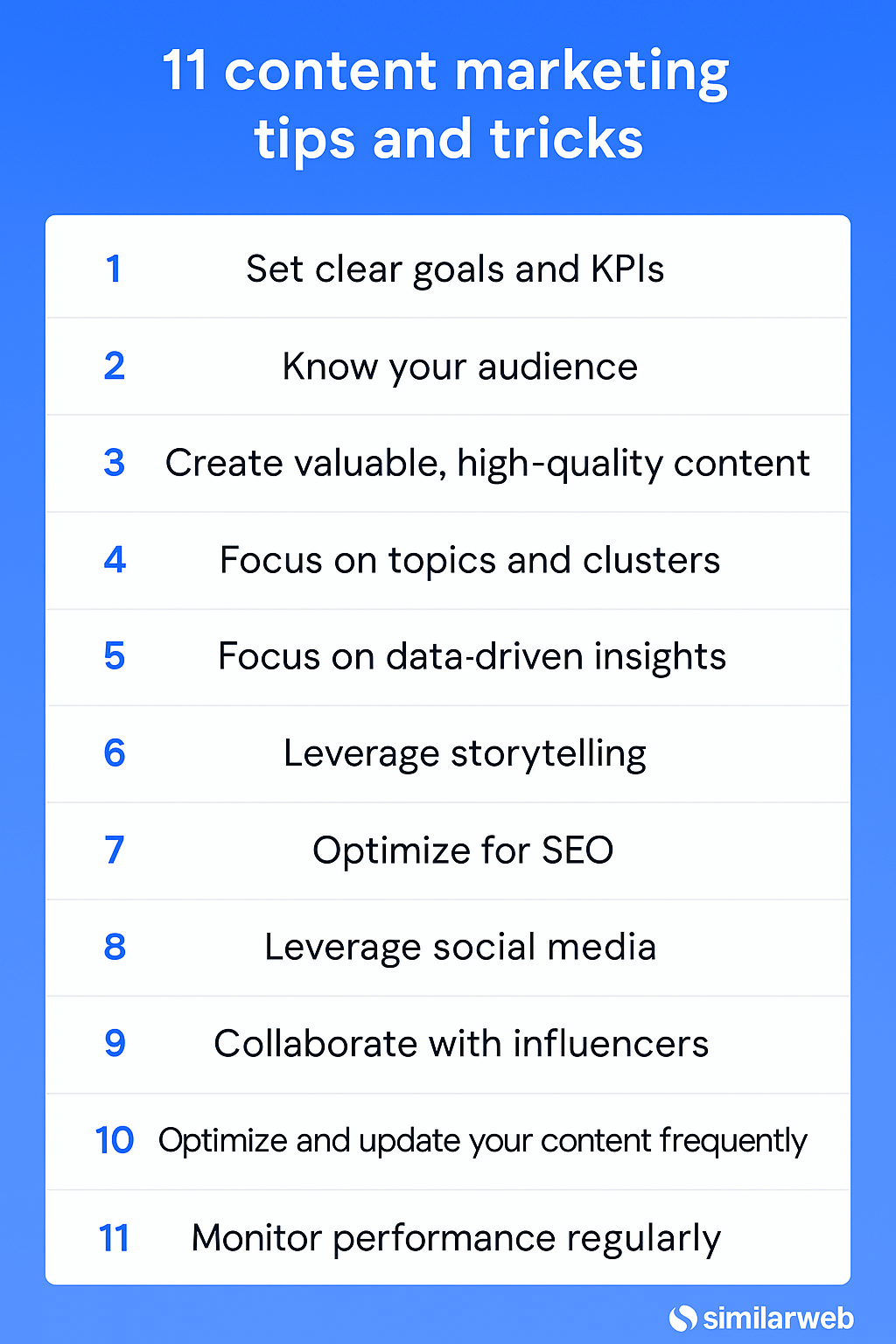
Setting measurable goals is the first step in any serious content strategy. Whether you’re focused on increasing conversions, capturing more organic traffic, or growing a subscriber list, every tactic needs a target.
Define what success looks like—then work backward. Use Similarweb’s analytics stack to monitor traffic, conversion, and bounce rates. These numbers are your north star.
Are you running a smaller team or budget? Tight goals make the difference. Start with a focused KPI – say, blog-to-lead conversions – and build from there. With clear benchmarks in place, optimization becomes a real process.
Knowing your audience goes way beyond demographics. You need behavioral signals, search intent, and behavior trends. That’s where Similarweb’s Audience Analysis comes in. This feature can be accessed by going to Website Research and then Website Analysis.
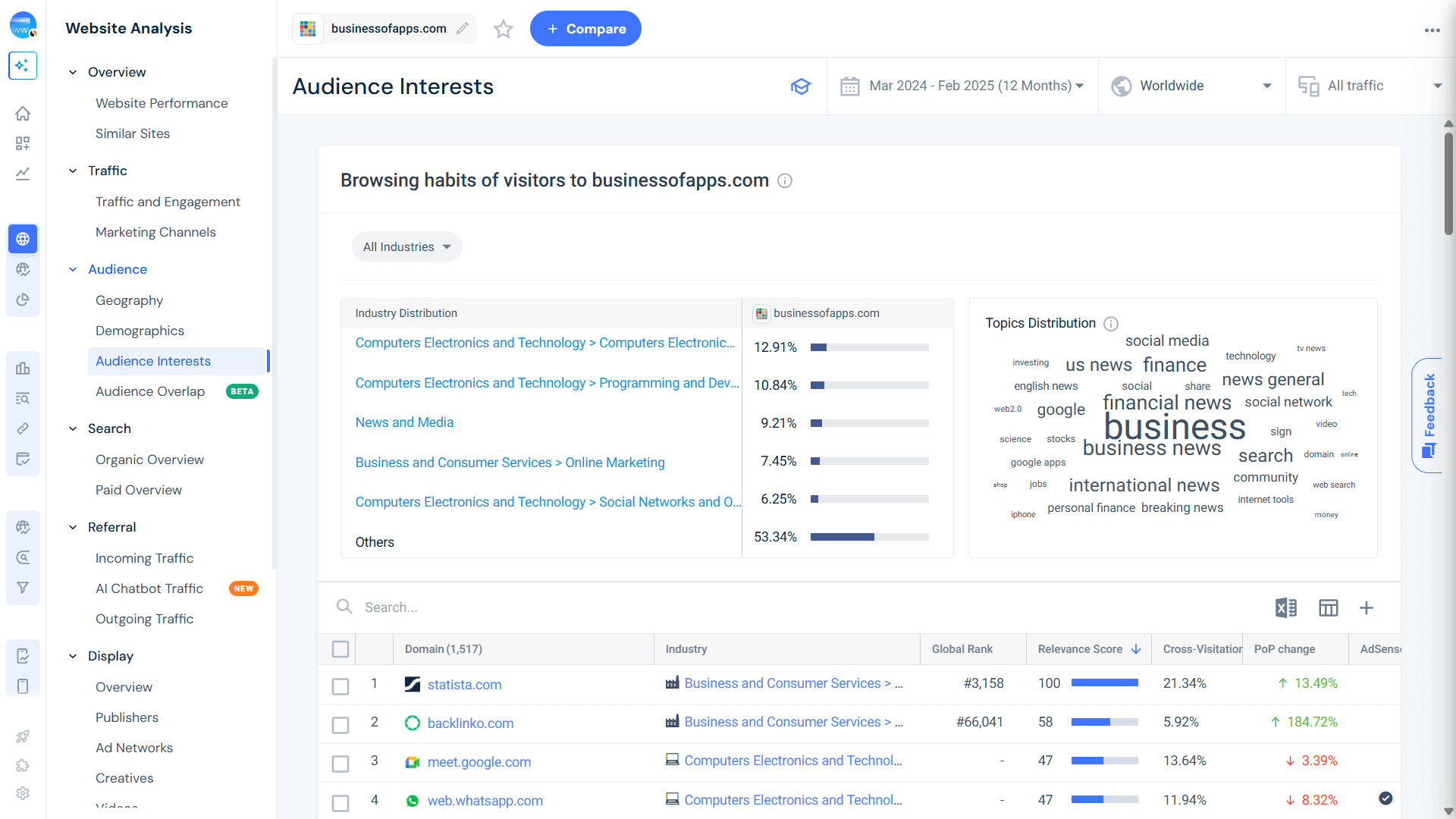
Who are they? What do they care about? What are they already reading before they get to you?
Say you’re targeting small business owners. Your tone, format, and even timing of posts change based on their priorities – time-saving, cost-effectiveness, and simplicity.
Beginners in the space? They need breakdowns, so make sure not to use jargon. Match your message to their mindset, and your bounce rates will thank you.
Pull an audience profile report today and update your personas accordingly.
Average content dies fast. It needs to have something useful, unique, or thought-provoking.
High-quality content is about clarity, utility, and relevance. There’s no need to focus on word count or fancy graphics anymore. Instead, solve a problem, teach something useful, or challenge a misconception.
Content that educates or entertains gets bookmarked, shared, and cited. That’s the kind of content that drives growth and builds absolute brand authority over time.
Audit your last five blog posts. Would you save them if they weren’t yours? If not, rewrite them or retire them.
The new trend is to build topic clusters—interconnected content ecosystems that show depth and not just surface-level relevance. Google notices this, and so do your readers.
Take a core theme and break it out into blog posts, how-tos, and FAQs. Link between them. Give your reader a full experience.
As a start, pick one high-impact topic and build a cluster with at least five connected assets.
Data shows you what’s working and what’s wasting time. Use Similarweb’s Website Intelligence to drill into content performance, user paths, and drop-off points. You can access this tool by looking for Website Research and then clicking on Website Analysis
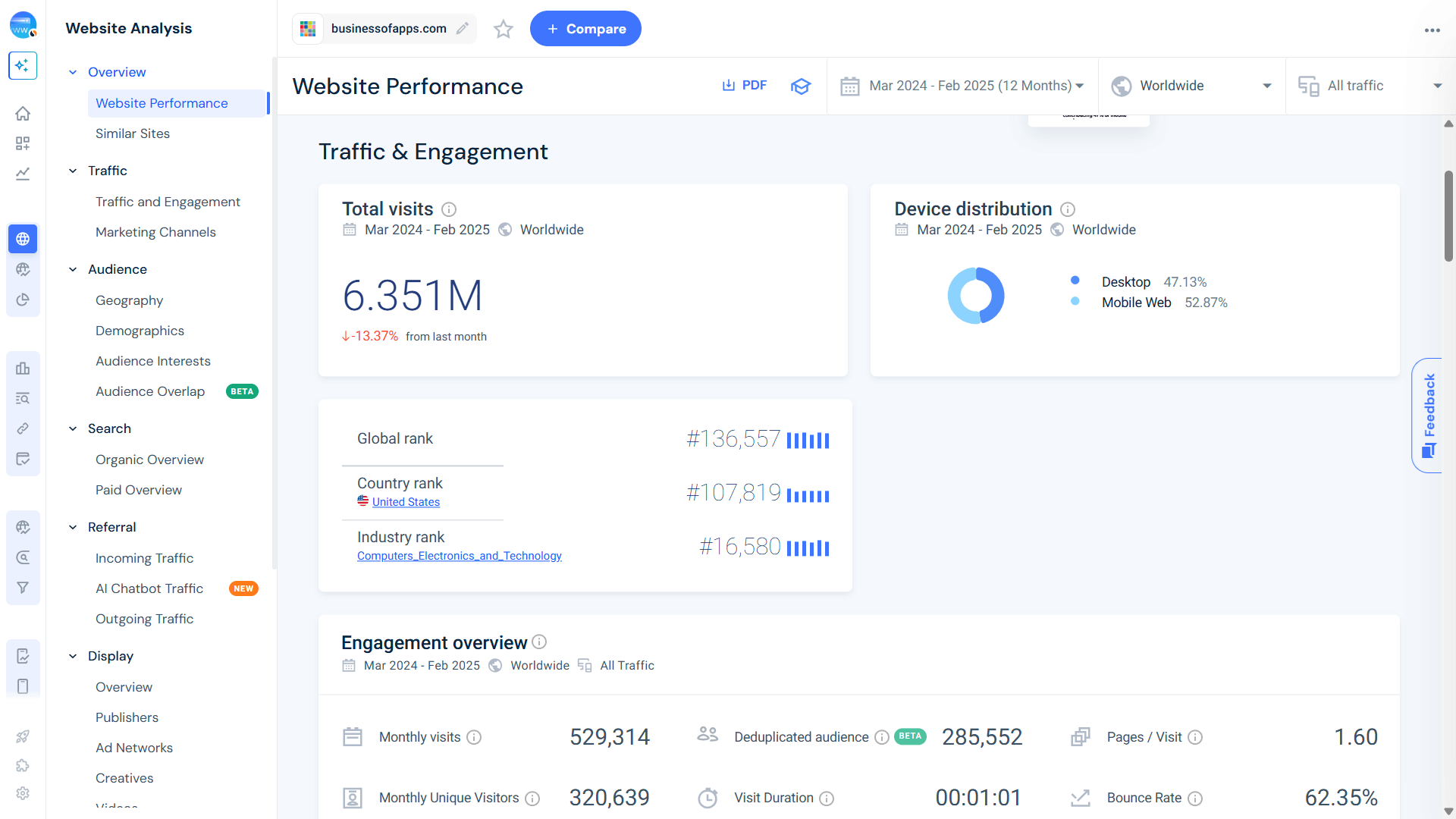
Track everything. Click-throughs, time-on-page, scroll depth, conversion assists. Use that data to double down on what resonates and cut what doesn’t.
Action Step: Identify your top 3 performing pages over the past 90 days—and replicate what’s working elsewhere.
Want your content to stick? Wrap it in a story. Facts inform. Stories convert.
Whether you’re walking through a customer use case or sharing a behind-the-scenes lesson, storytelling builds emotional connection and trust.
Think of storytelling as the difference between “He has a feature” and “Here’s how this saved a customer 10 hours a week.” This week, you can turn one stat, testimonial, or user insight into a narrative-style post.
Start with intent-led keyword research (not just volume) using Similarweb’s Keyword Generator, then map your terms to content types.
To find this tool, go to Search Intelligence > Keyword Research > Keyword Explorer > Keyword Generator
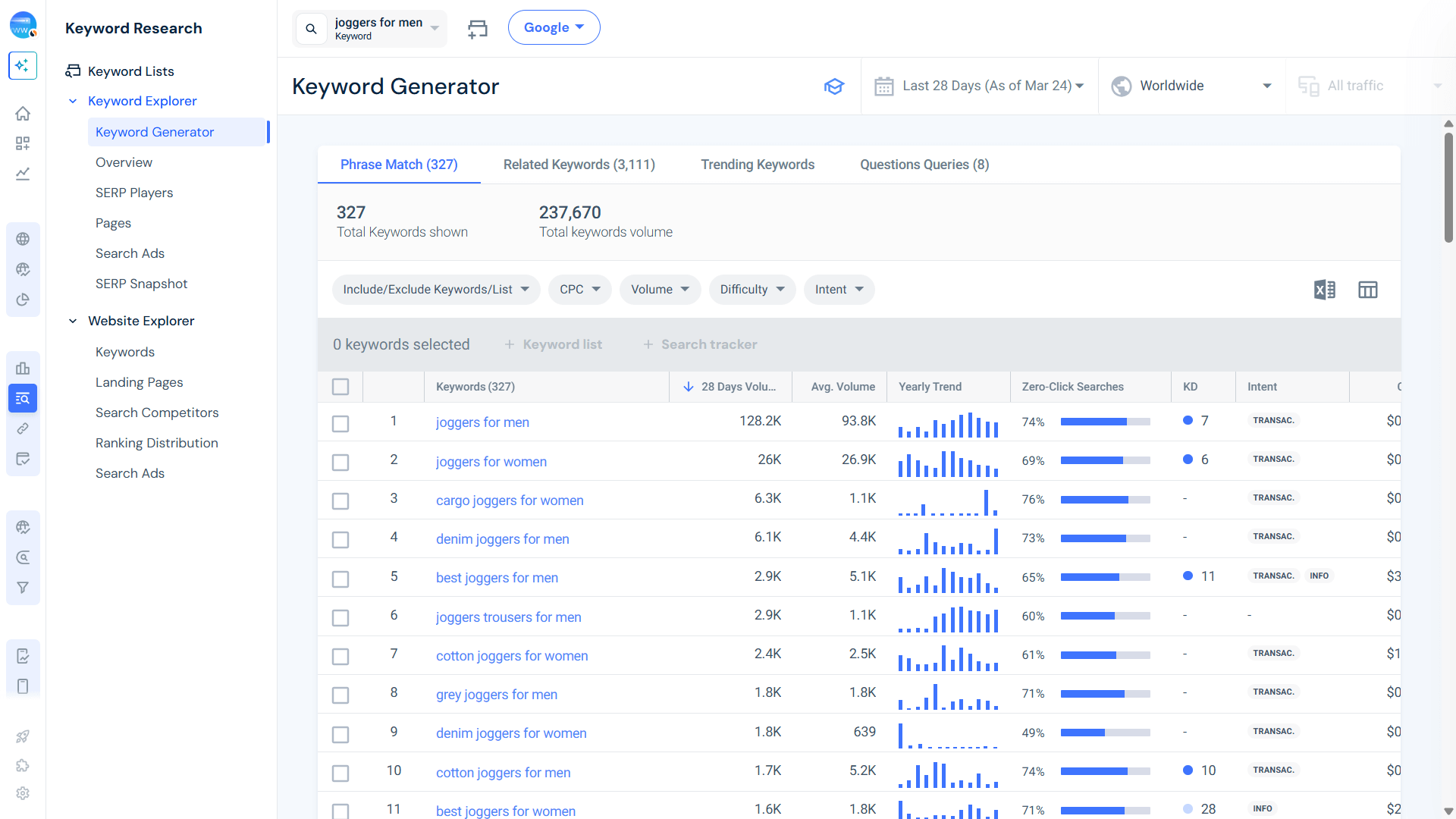
Make sure your titles, headers, meta tags, and image alts are working just as hard as your copy. Layer in internal links. Refresh stale content quarterly. And don’t forget mobile performance—Google doesn’t.
Run an SEO audit on your top 10 pages and fix the low-hanging issues before next week.
Social is where your content earns its second life.
Your blog post is the seed. Social is the amplification. Repurpose primary takeaways into short-form videos, quote cards, carousels – whatever fits the platform.
Instagram wants visuals. LinkedIn wants authority. TikTok? Get to the point fast, or get scrolled past.
Choose one piece of content. Repurpose it for three different platforms this week—customized.
Partnering with influencers – whether macro or micro – can supercharge reach and credibility. Just don’t chase follower counts. Look for matches in values, tone, and audience.
Even better? Co-create. Have them write, film, or participate in the content. Authenticity always outperforms paid shout-outs.
Identify two influencers in your niche. DM them with a co-marketing idea and not a cold pitch.
Search behavior and industry changes. And nothing says “out of touch” like a guide from 2022 still quoting old numbers.
Schedule regular refreshes. Add new stats, rework intros, update CTAs. Your best content should adapt over time and keep compounding results.
Use Similarweb’s Rank Tracker to see how your keywords are moving. Compare content performance by traffic source. Find what’s stalling and what’s scaling.
This tool is accessible by going to Search Intelligence > Search Tracking > Rank Tracker.
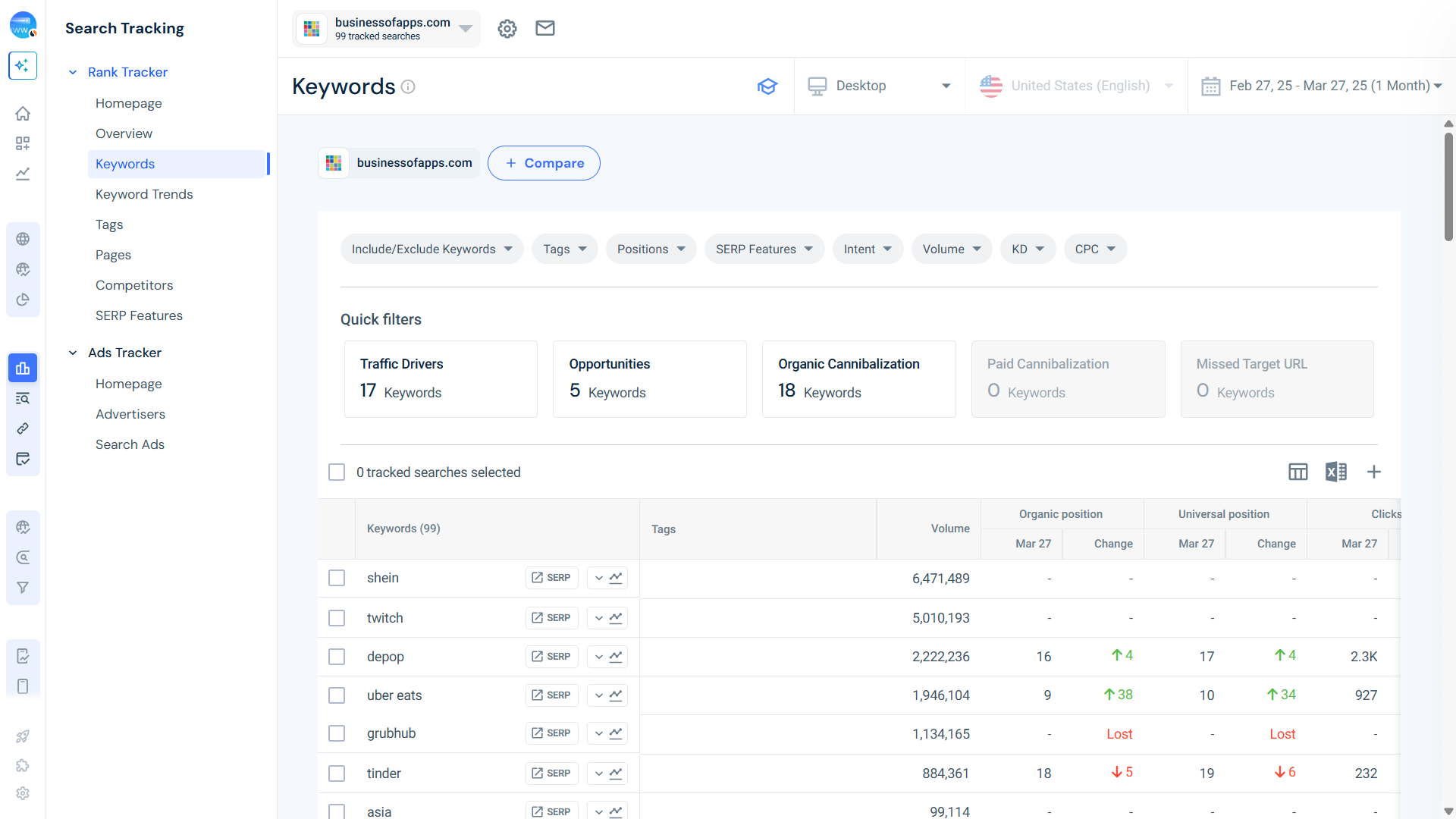
Performance review is your feedback loop for better decisions. Set up a dashboard that pulls in traffic, rankings, bounce rates, and conversions.
The tips we’ve outlined above are actionable steps for content marketers and marketing leads who want real, measurable results.
Start with the basics: set clear goals, get to know your audience inside and out, and keep optimizing. It’s about building a strategy that drives actual engagement and conversions.
Pair them with Similarweb’s tools, and you’ll have the data firepower to make smarter decisions faster. That’s how you keep up (even beat) the competition—whether you’re running lean as a small business or leading a bigger team at scale.
Now’s the time to reassess your strategy. Update what’s stale. Double down on what works. And put these best practices into play so your content wins.
How can content marketing benefit businesses?
Business owners benefit from content marketing by reaching targeted audiences without heavy financial investment. Implementing effective strategies can drive website traffic, build brand authority, and increase conversions. By consistently delivering valuable information and utilizing tools to check website traffic, small businesses can compete with larger competitors and develop a loyal customer base over time.
What tools can help improve my content marketing strategy?
Effective tools for content marketing include analytics platforms, keyword generators, and audience analysis platforms like Similarweb. These tools provide data on website traffic, keyword performance, and audience behavior so marketers can refine content and adjust strategies based on measurable data.
How do I know if my content is performing well?
Monitor your content’s performance by tracking important metrics such as website traffic, user engagement rates, and conversion rates. Use analytics tools to check website traffic and gather information on audience behavior. Regular performance reviews help identify successful strategies and areas for improvement. This keeps your content marketing efforts competitive.
How often should I update my content?
Think of your content like a product on the shelf—it needs a refresh to stay relevant. Aim to review it every few months because trends and user expectations change, and new data becomes available. Regular updates keep your content fresh, help improve your search rankings, and show your audience (and Google) that you’re staying current.
What part does SEO play in content marketing?
SEO is the engine behind content visibility. By weaving in high-performing keywords (yes, even the ones from that free keyword generator you’ve been testing), you give your content a fighting chance to rank. More visibility means more traffic. And more traffic? That’s where user interaction and long-term growth start to kick in.
Why is it necessary to monitor content performance regularly?
Monitoring performance lets you see what’s hitting the mark—and what’s falling flat. Watch your traffic, check user behavior, and track conversions. This data lets you make changes fast, double down on what’s working, and ditch what’s not.

Principal Product Marketing Manager
Daniel brings 10+ years of marketing experience, specializing in both B2B and B2C audiences. He thrives at managing delivery of projects, consistently developing concepts that drive impact.
Top Ecommerce Companies in the USA: The 100 Brands Winning the Traffic Race in 2026

3 of the Sharpest Minds Weigh in on the State of Gen AI in 2026

Give it a try or talk to our marketing team — don’t worry, it’s free!
