





Top Ecommerce Companies in the USA: The 100 Brands Winning the Traffic Race in 2026
by Inbar Eytan6 Min.
Aug 30, 2026
 Marketing Intelligence
Picture this. You’ve spent years carefully building your SEO presence, only to wake up one day and see your rankings plummet. You might be the victim of negative SEO.
How does negative SEO work, and what can you do about it?
In this post, we’ll explore how Negative SEO attacks operate, the tactics involved, and, most importantly, the steps you can take to identify, prevent, and recover from them.
Negative SEO refers to the wide range of unethical techniques used to harm the search rankings of a competitor’s website. In contrast to traditional SEO techniques focused on optimizing one’s website, these techniques are designed to destroy others. This could include acquiring questionable backlinks, hacking, or even deleting quality links. These tactics might look technical, but, fundamentally, they aim to destroy the authority that search engines have over the targeted site.
Why do such unethical practices occur? Often, it stems from intense competition. As the online marketplace grows increasingly cutthroat, some resort to shortcuts to gain an advantage. This creates both technical and ethical challenges for digital marketers. While not all ranking declines are the result of negative SEO, SEO professionals must understand its risks. Staying vigilant and informed about these manipulative tactics is essential for countering them. Detecting and responding to a negative SEO attack promptly can help protect your rankings and reputation.
Understanding the various types of Negative SEO attacks is crucial for webmasters and SEO specialists seeking to protect their sites. These tactics share a common goal: sabotaging a website’s reputation and performance. Familiarity with these attack types is essential to minimize their potential damage:
Creating networks of spammy or low-quality backlinks is one of the most common Negative SEO tactics. These harmful links are designed to undermine a site’s trustworthiness, potentially leading to search engine penalties and dramatic ranking drops. If left unchecked, these backlinks can severely harm your site’s authority and visibility.
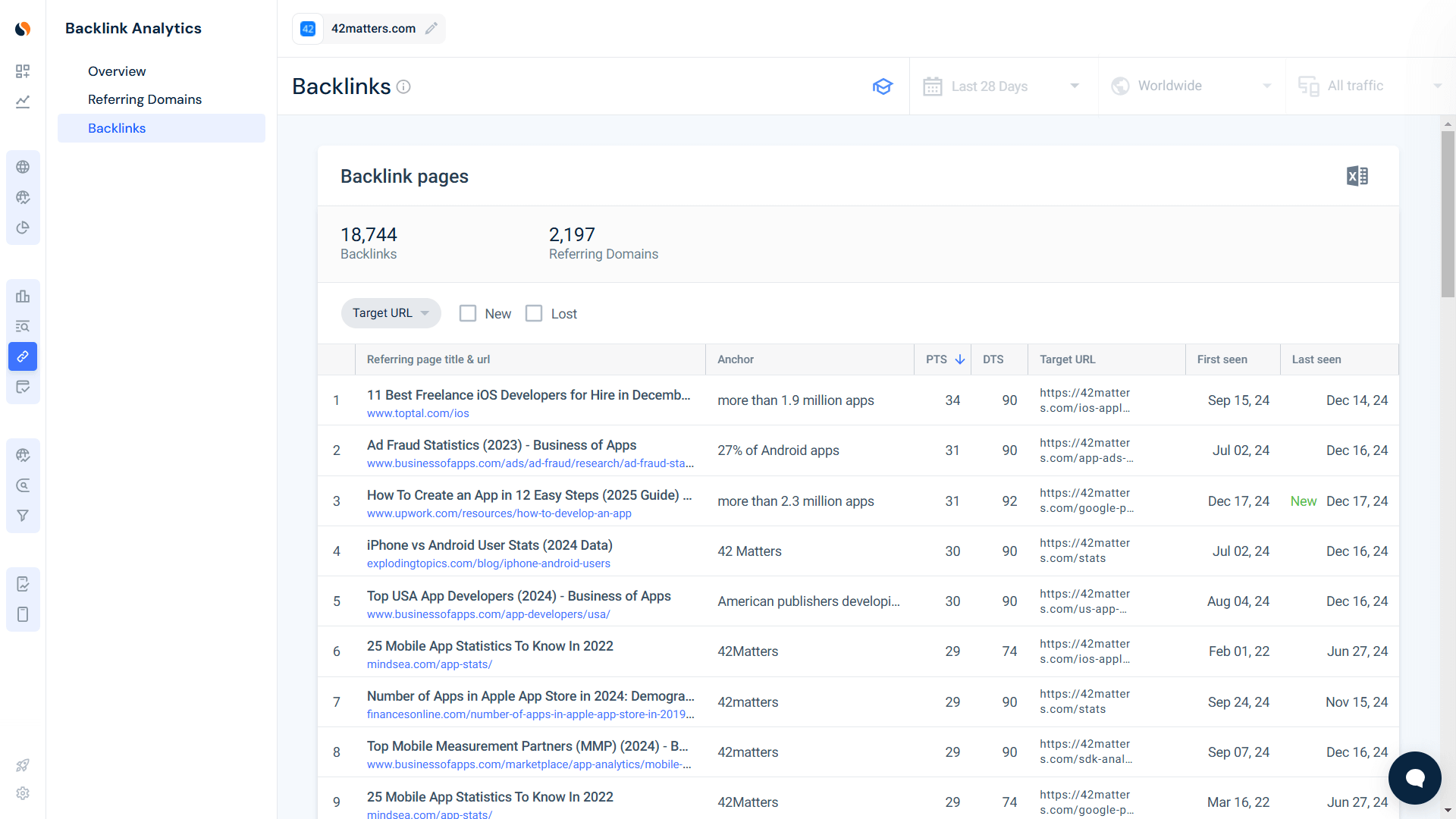
To combat this, consistent backlink monitoring is critical. Tools like Similarweb’s Backlink Analytics can detect unexpected changes in your link profile, enabling immediate action to disavow harmful links and protect your site’s reputation. Regular analysis of backlink activity ensures that your brand remains resilient against these attacks.
Unauthorized access to websites poses a serious threat, both to SEO performance and user safety. Hackers may modify your content, inject malicious code, or redirect your traffic to other sites without consent. These activities send negative signals to search engines, disrupt user engagement, and damage your site’s SEO performance.
Preventive measures like routine security audits, firewalls, and malware scans are vital for maintaining website integrity. Swiftly identifying and addressing breaches protects both your visitors and your rankings.
Content scraping occurs when your original work is copied and published on other platforms without permission. This duplication can confuse search engines, making it difficult for them to determine the original source, potentially leading to a loss of rankings.
To safeguard your content, regularly monitor for unauthorized copies. Reporting scraped content and requesting its removal can help preserve your originality and protect your brand’s credibility.
Some competitors may contact site owners to have your valuable backlinks removed, replacing them with their own. The loss of these high-quality links can diminish your site’s authority, resulting in abrupt ranking drops.
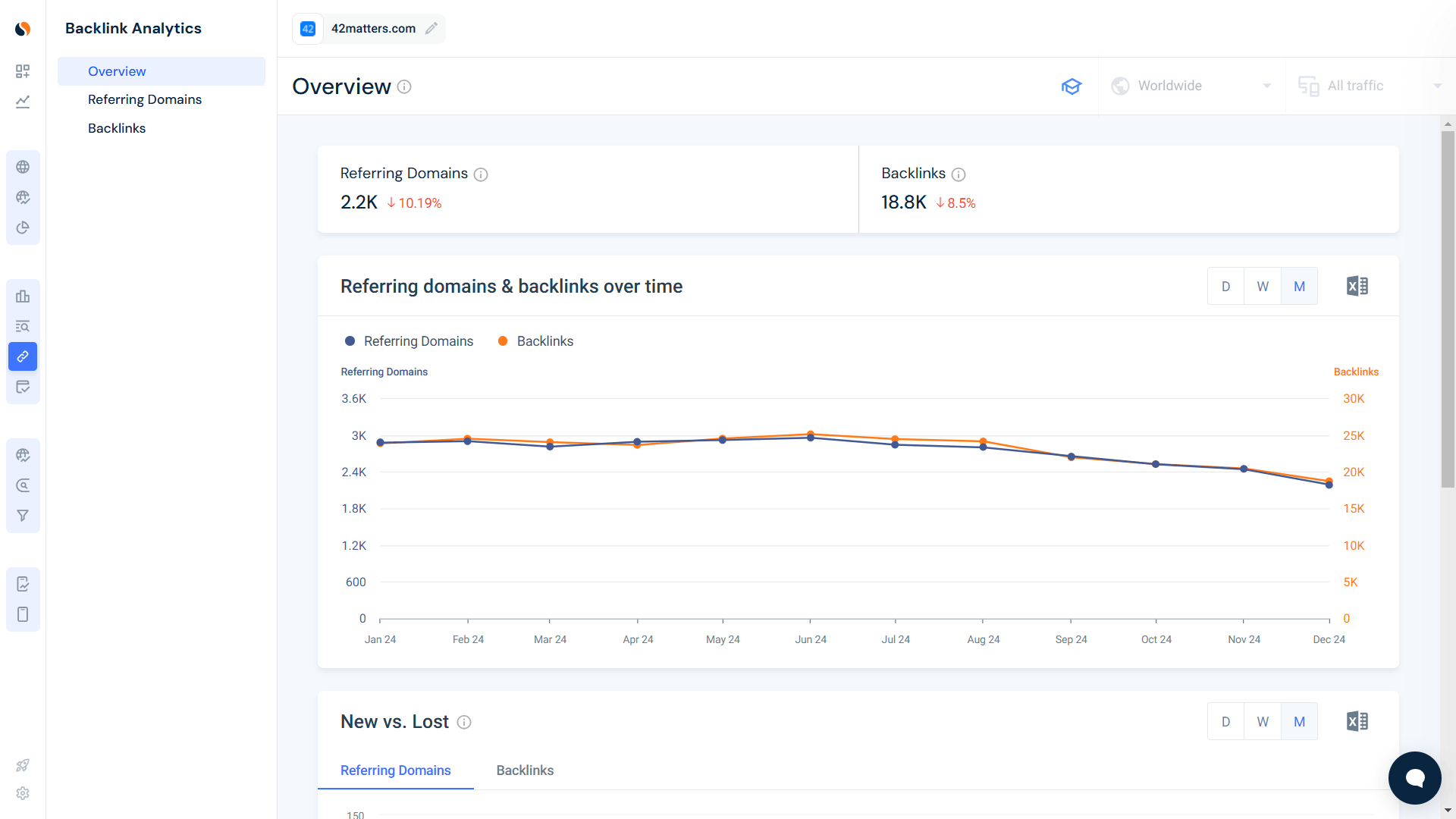
Proactively monitor inbound and outbound links using tools like Similarweb’s Backlink Analytics to detect and reclaim lost backlinks. Swift action ensures your site’s link equity remains intact, sustaining its organic performance.
Dishonest negative reviews can harm a company’s reputation, erode customer trust, and negatively impact SEO rankings. Identifying and addressing fake reviews is challenging but essential to protecting your brand.
Monitoring online reviews for suspicious activity, responding transparently, and engaging with customers can help mitigate reputational damage. These actions reinforce brand integrity and foster stronger relationships with your audience.
Negative SEO isn’t just a nuisance; it’s a deliberate effort to harm your website’s rankings and credibility. Below, we provide actionable strategies to protect your website from these threats, maintain your online reputation, and safeguard the trust of your audience:
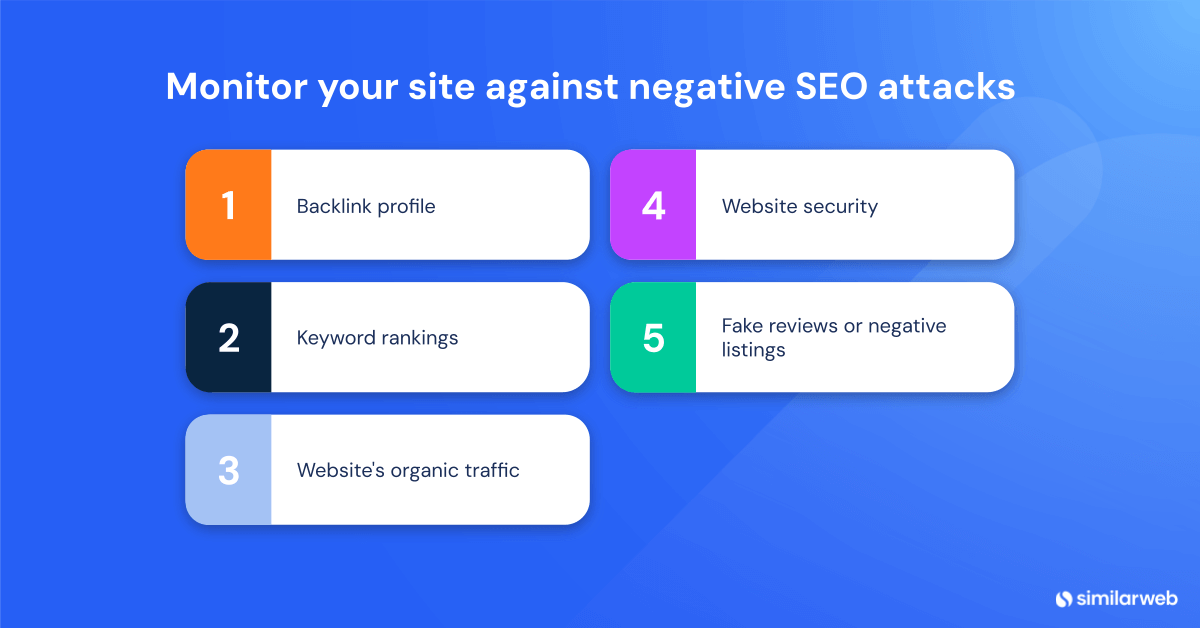
Your backlink profile is one of the most vulnerable aspects of your website. Sudden spikes in spammy or low-quality links could signal an SEO attack designed to damage your rankings. Use tools like Similarweb’s Backlink Analysis to thoroughly review your backlinks and detect unusual activity.
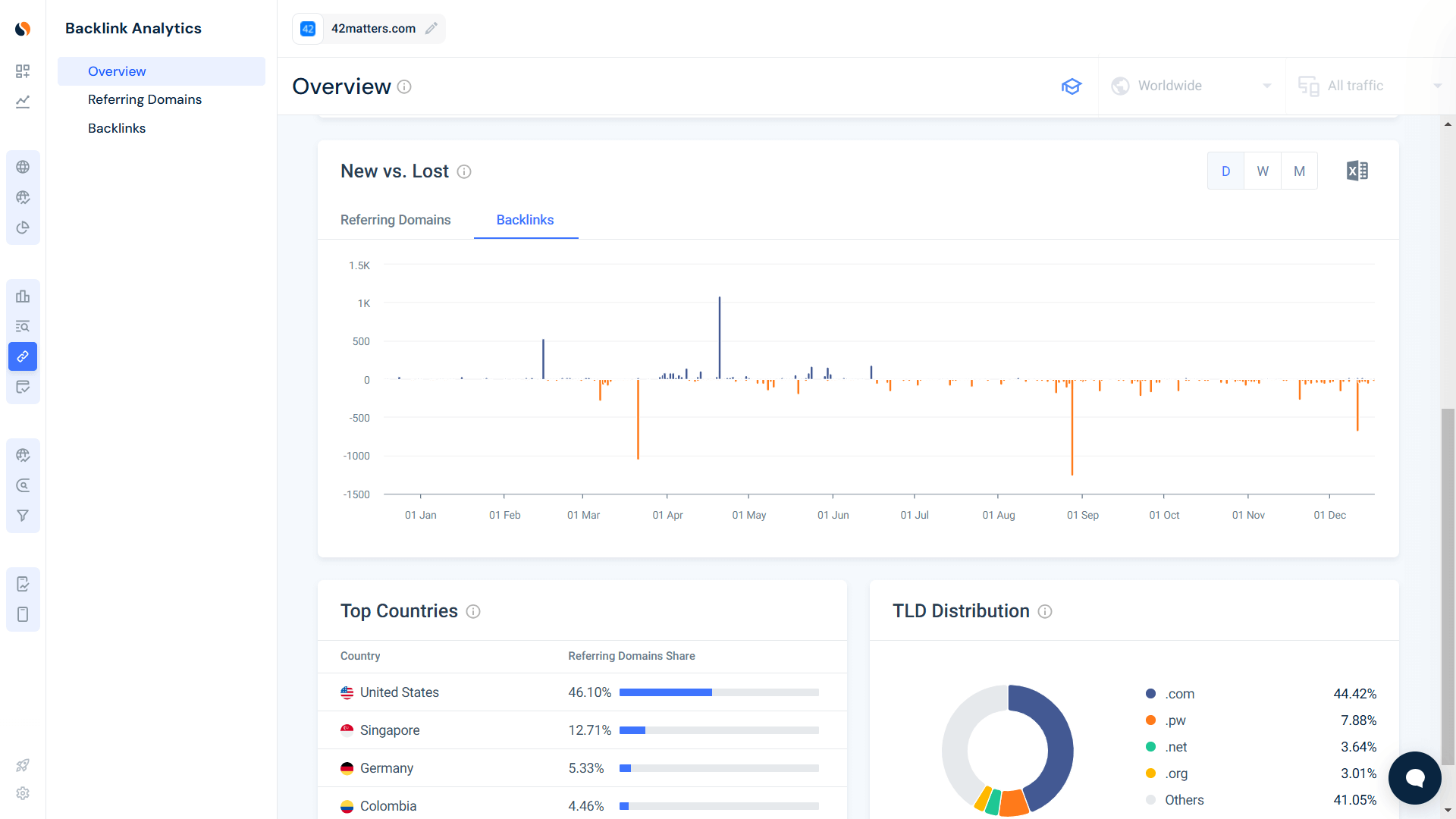
Once harmful backlinks are identified, disavow them promptly. If left unchecked, these links can harm your domain’s reputation and may lead to search engine penalties. By maintaining a clean backlink profile, you demonstrate reliability to search engines. Automated tools can save time and provide peace of mind by continuously monitoring your backlinks, enabling you to focus on your SEO strategy without interruption.
A sudden drop in keyword rankings can be a red flag for a Negative SEO campaign. Tools like Similarweb’s Rank Tracker help you monitor the performance of critical business keywords and quickly identify unusual ranking declines.
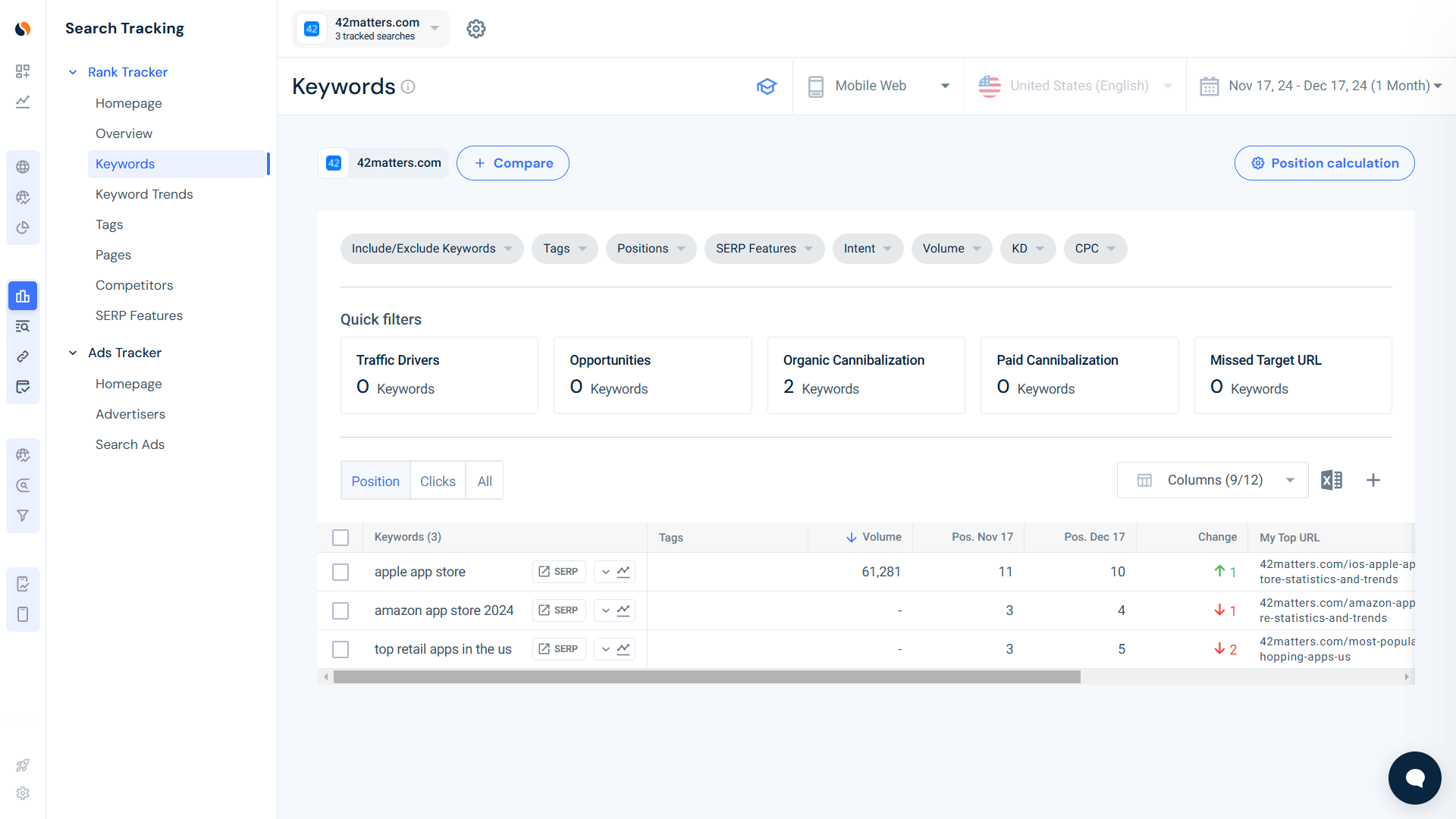
If you notice significant drops, investigate for potential malicious activities. Rapidly addressing the root causes of ranking losses can mitigate damage and restore your position. Regular keyword tracking ensures your website remains competitive and demonstrates resilience against external threats, safeguarding your digital presence and business growth.
Organic traffic patterns offer valuable insights into your site’s health. Abrupt declines in traffic might indicate malicious activity, such as harmful backlinks or content scraping.
Use analytics tools to regularly review traffic trends and investigate anomalies immediately. Early detection of unusual patterns allows you to take swift corrective action, preserving your online presence and maintaining audience trust. Proactive traffic monitoring not only protects brand loyalty from harmful techniques but also supports your long-term marketing plan.
Website security is a critical defense against Negative SEO attacks. Regularly update your CMS, plugins, and software to patch vulnerabilities. Employ strong passwords and two-factor authentication to secure access to your site.
Robust security measures not only protect against hacking and malware but also build trust with your visitors. A secure website fosters a safe browsing experience, strengthens customer confidence, and positions your brand as reliable and trustworthy.
Fake reviews and false listings can significantly damage your brand’s reputation if left unaddressed. Regularly monitor review platforms and social mentions for suspicious activity. Report and request the removal of fake feedback to platform owners as soon as possible.
Promoting genuine customer reviews is an effective way to counter false claims and reinforce credibility. Valuing and amplifying real opinions not only strengthens public perception but also upholds your brand’s integrity. By addressing fake reviews proactively, you protect your reputation and maintain strong relationships with customers.
Protecting your website from Negative SEO requires proactive monitoring and strategic planning. By closely tracking your site’s performance with Similarweb’s insights, you can strengthen your defenses and safeguard your online reputation.
Regularly monitor your backlinks and reviews to identify and address potential threats. Detecting harmful links or responding promptly to fake reviews helps maintain your credibility and prevents long-term damage to your rankings.
Similarweb’s tools provide a comprehensive analysis of your website, enabling you to spot vulnerabilities and stay ahead in a competitive market. With actionable insights, you can identify and mitigate threats effectively, ensuring your site remains secure and resilient.
How do you identify a negative SEO attack?
Negative SEO attacks can be identified by unexpected traffic decreases, an influx of suspicious backlinks, or an increase in duplicated content. Other warning signs include keyword ranking fluctuations, spammy anchor text in backlinks, and unexplained drops in website performance. Regular monitoring and prompt action are essential to mitigate these threats.
How can broken links negatively affect SEO performance?
Broken or lost backlinks can harm your search engine rankings and reduce your site’s visibility. Monitoring backlink changes is crucial to maintain your site’s authority. Understanding why links were removed and taking steps to reclaim or replace them can help minimize negative impacts and preserve your SEO performance.
What steps should be taken if my content is scraped?
Begin by identifying duplicates using content-monitoring tools. Report plagiarized content to search engines to protect your original work. Additionally, implement preventative measures such as using canonical tags and regularly checking for unauthorized uses of your content to safeguard its originality.
How often should I review my website’s security?
It’s recommended to review your website’s security at least monthly, although more frequent checks offer greater peace of mind. Always update your security protocols, and use automated monitoring tools for real-time protection. Annual security audits can also help you stay ahead of emerging threats.
What’s the most effective way to counter fake reviews?
Address fake reviews promptly by reporting them on review platforms. Encourage satisfied customers to leave authentic reviews to offset any negative or false feedback. Monitor review platforms regularly and respond professionally to all comments to protect and enhance your brand’s reputation.

Senior SEO Specialist
Shai, with 10+ years in SEO, holds a Bachelor’s and an MBA. He enjoys TV shows, anime, movies, music, and cooking.
Top Ecommerce Companies in the USA: The 100 Brands Winning the Traffic Race in 2026

3 of the Sharpest Minds Weigh in on the State of Gen AI in 2026

Give it a try or talk to our marketing team - it’s free!
