





Top Ecommerce Companies in the USA: The 100 Brands Winning the Traffic Race in 2026
by Inbar Eytan6 Min.
Aug 30, 2026
 Marketing Intelligence
For businesses or organizations that have branches in different regions or countries, it is an imperative strategy to monitor the flow of traffic to multilingual websites. Tracking this makes sure you are interacting with your target audience in any language. It helps brands tailor their marketing messages to align with the cultural nuances of diverse language groups, paving the way for growth in global markets.
Current and accurate data are the first steps to this, and Similarweb fulfills this requirement. Our platform provides powerful tools to analyze worldwide web traffic with the latest, most accurate data, empowering real-time decision-making. When it comes to success, it definitely comes down to how good your data is.
Companies operating in multiple languages know that effective data curation strengthens their customer base and expands their reach. By managing traffic structure and control, brands often achieve a stronger global presence and long-term success. Here, we’ll share our own methods for analyzing traffic on multilingual websites.
A multilingual website goes beyond simple translation. It’s about tailoring content to align with cultural preferences and local nuances. By creating authentic, localized content, businesses can connect meaningfully with a global audience and foster lasting relationships.
When done right, targeted content makes international visitors feel understood and valued, turning basic interactions into rewarding experiences. This approach expands global reach, enhances customer loyalty, and positions your brand for long-term success. A well-executed multilingual strategy doesn’t just open doors to new markets—it builds bridges that keep customers coming back.
To get the most out of your multilingual traffic analysis with Similarweb, proper setup is key. Start by entering your domain on Similarweb’s platform to unlock actionable insights from your data. Thanks to Similarweb’s intuitive interface, the process is quick and straightforward. Next, fine-tune your analysis by configuring filters for deeper insights. Let’s use 42matters.com as an example to show you how it’s done.
To optimize multilingual traffic analysis, you need to configure Similarweb correctly. First, click on “Website Analysis” and type your site domain in the search field. Then select “Connect Your Website” and follow the instructions to connect your GA4 account. When you are connected, you’ll get access to performance data and comprehensive insights into your website traffic.
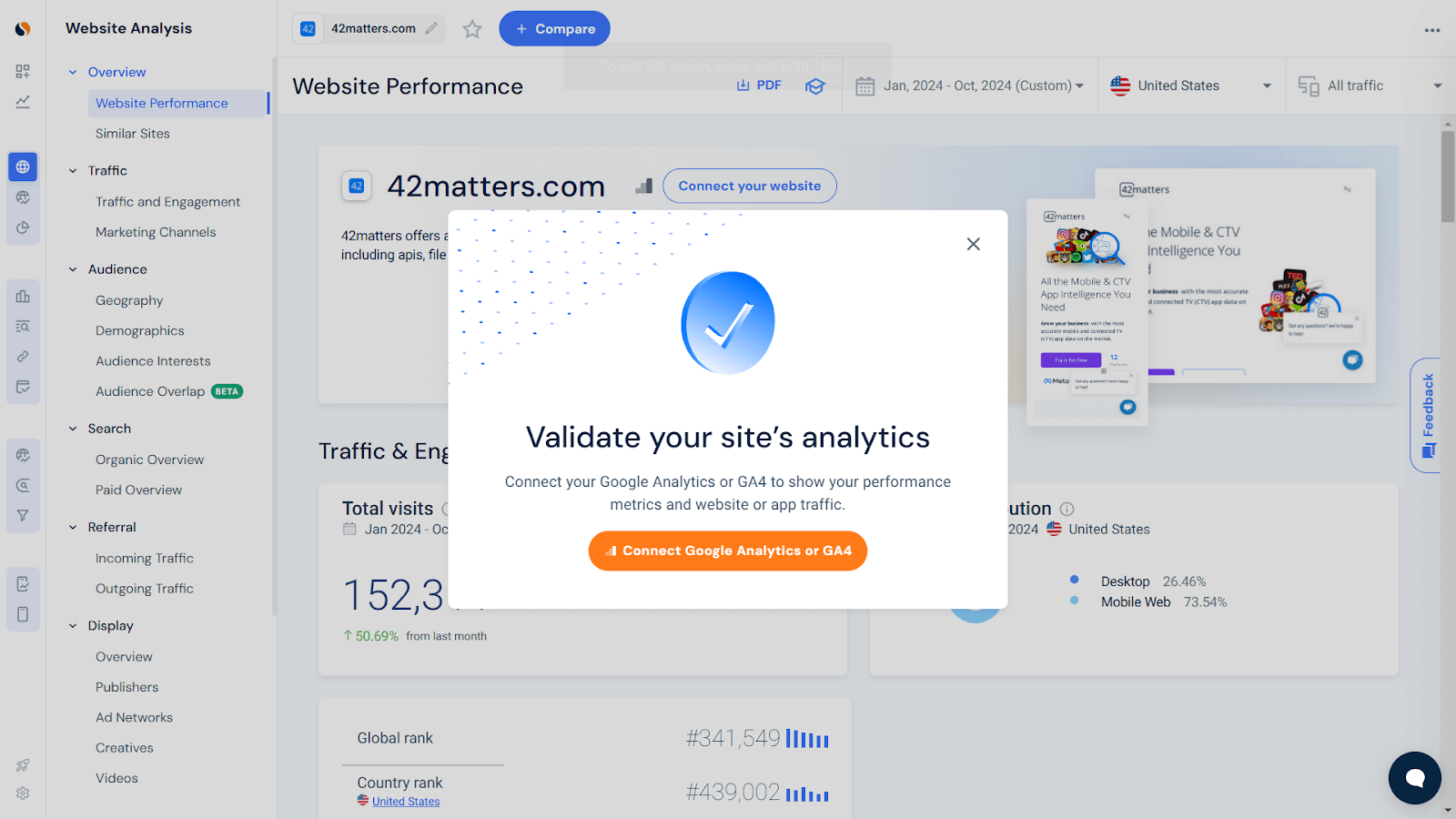
Once your website is added, the next step is to adjust the filters to focus on regional traffic. Utilizing language-specific subdomains or directories, such as 42matters.com/es for Spanish content, provides precise insights essential for regional analysis.
This lets marketers meaningfully align analysis with business goals. This accuracy ensures that strategic decisions are driven by organized and reliable data. Adapting content and marketing campaigns based on regional performance could translate into increased engagement and market penetration.
The success of multilingual websites is evaluated through key metrics that guide businesses in enhancing user experiences and refining global marketing strategies. These insights help ensure content resonates with diverse audiences and drives meaningful engagement worldwide.
It’s important to know where your website traffic comes from geographically. By segmenting traffic based on region, businesses can see which regions are delivering and understand user demographics and preferences.
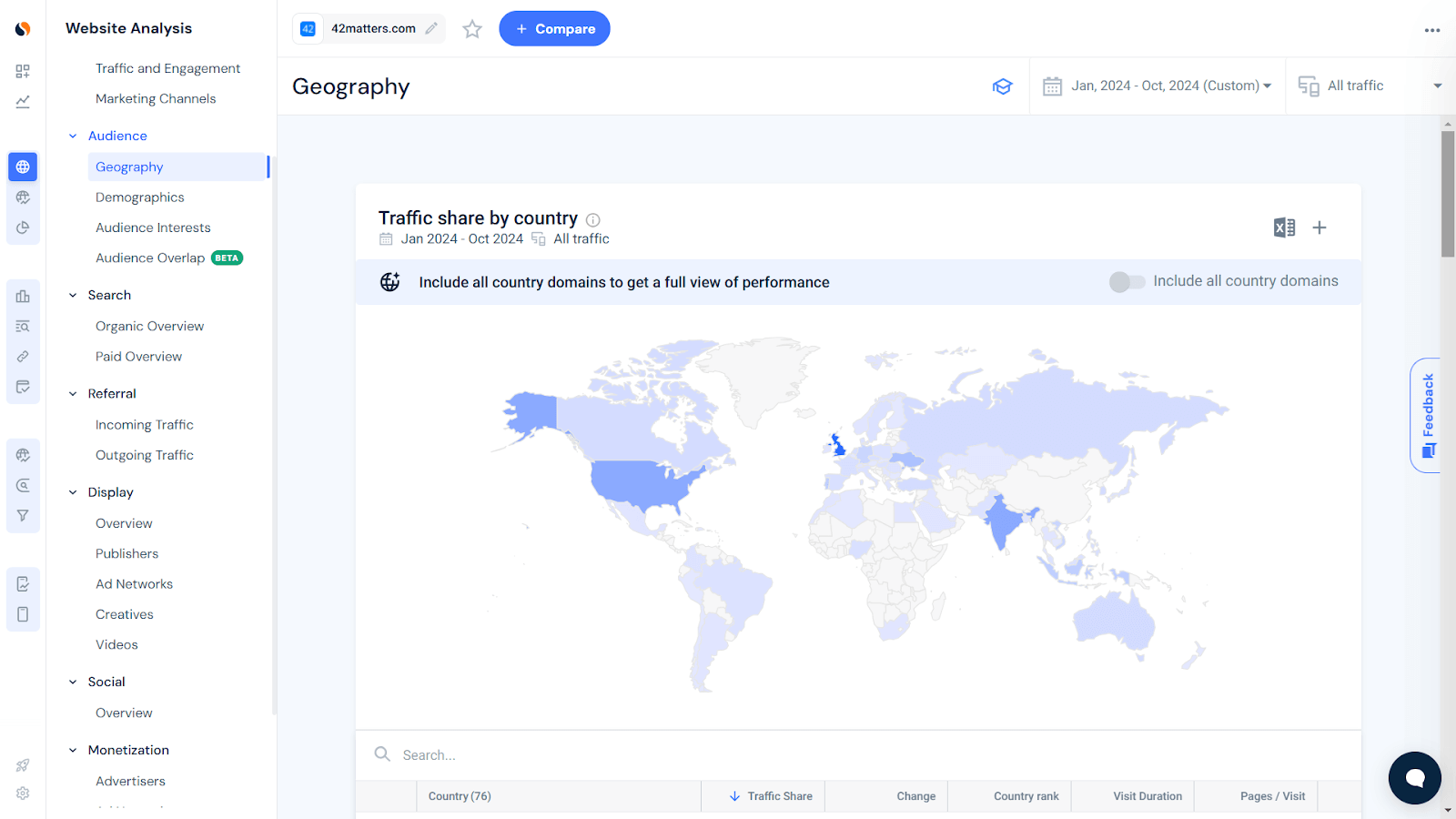
These observations lead brands to determine where to allocate resources and how to adapt content campaigns to the region’s needs. With this information, you have a much better understanding of market dynamics and can respond fast to regional trends and audience demands.
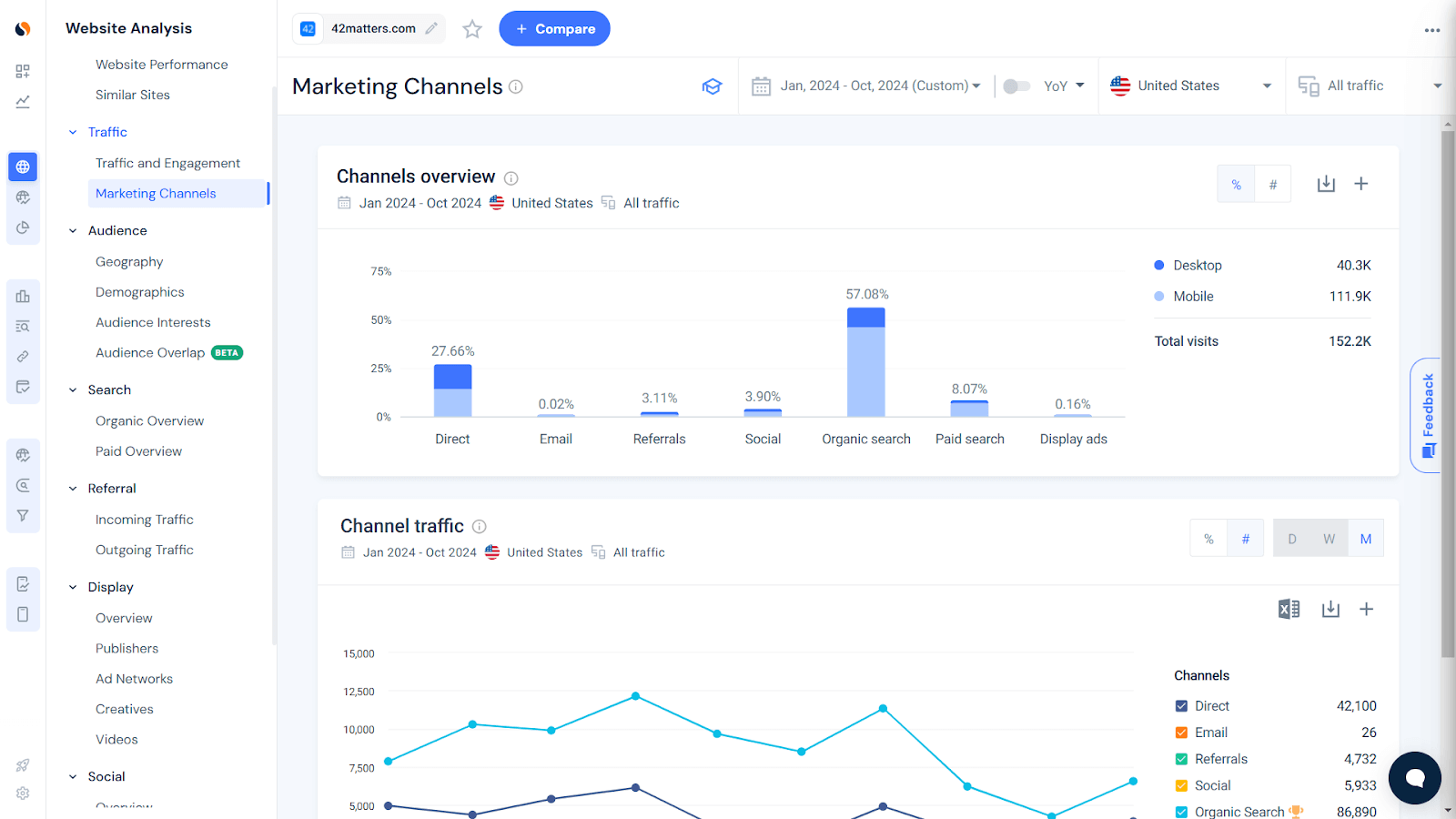
To build a plan, you have to understand where your traffic is coming from. Marketers can better understand the traffic path by separating it into direct, search, referral, and social. These insights allow you to develop strategies for specific regions utilizing native languages and deliver engaging and timely content.
Good user engagement is a website’s best indicator of success. Bounce rate, session duration, and pages per visit metrics provide a better idea of how users engage with the content. Analyzing engagement metrics per country can help identify cultural variation in engagement, which can be leveraged for content optimization.
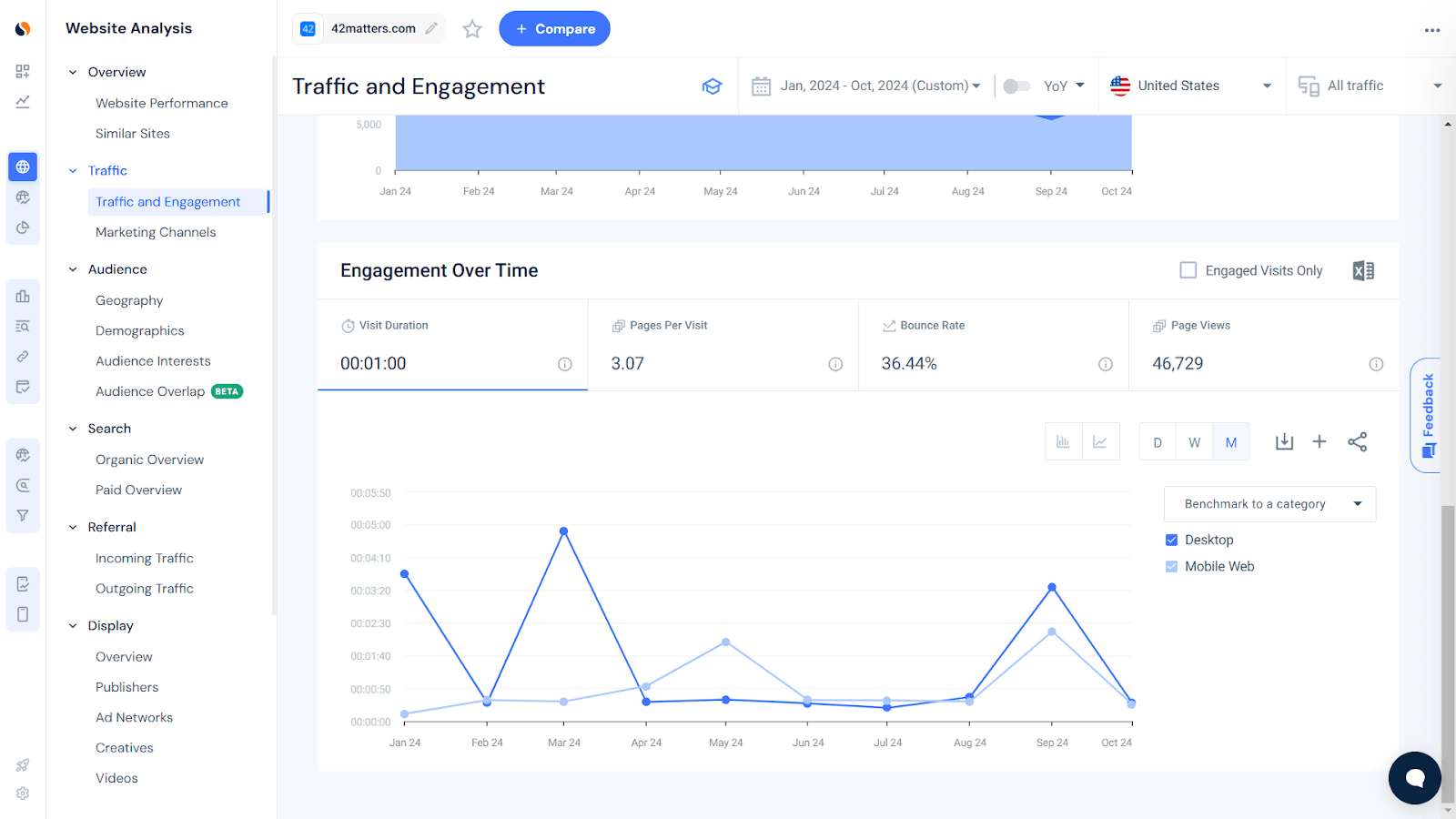
Using localized keywords is essential to optimizing search results for a multilingual website. By mapping keywords’ share of organic traffic, organizations can refine their SEO strategies to perform better across different markets.
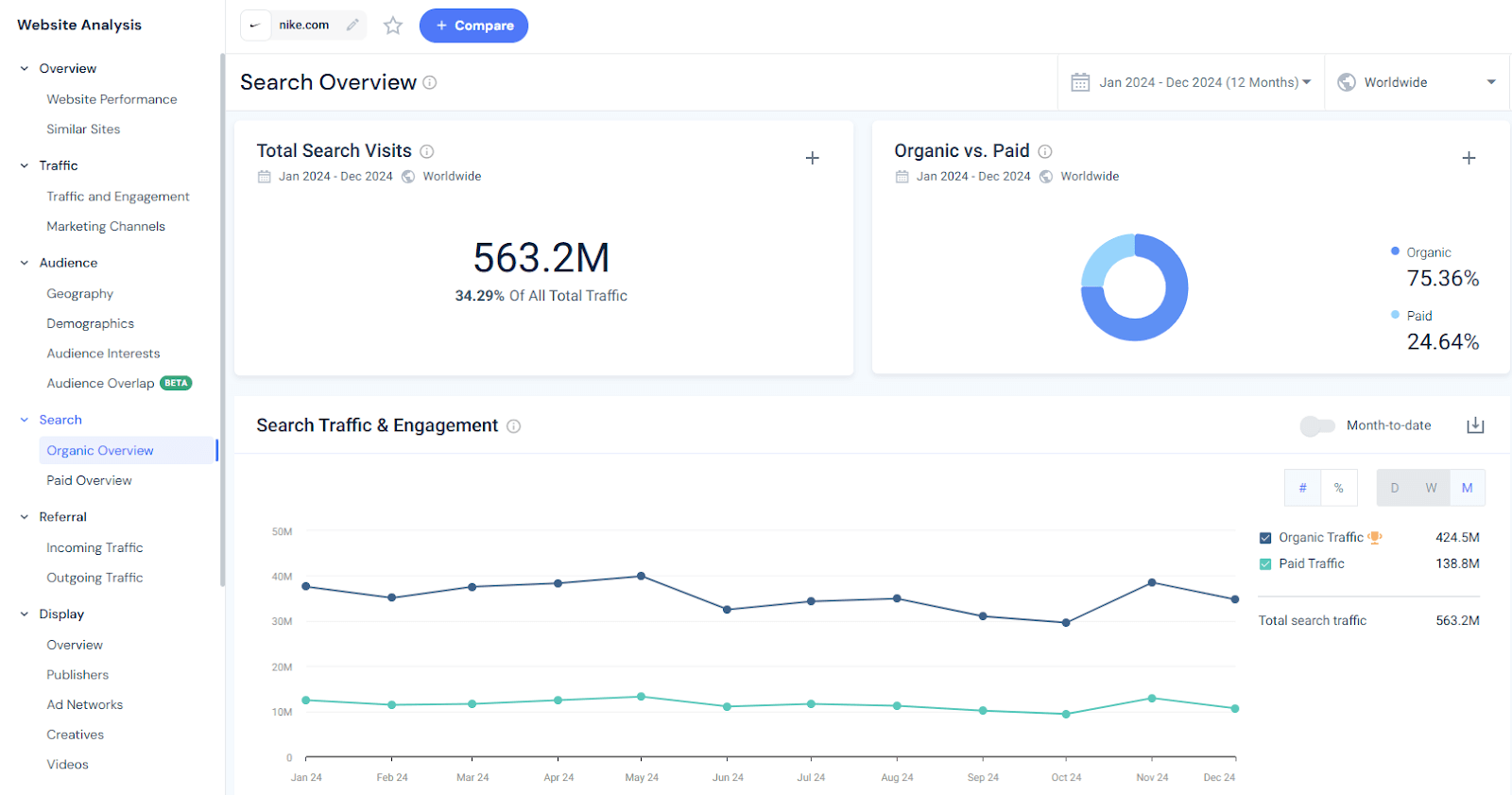
This helps your websites appear higher in search engine results, gain exposure, and serve local users. Utilizing tools for keyword research and Competitive Analysis gives businesses an advantage in creating content that will serve different markets effectively.
In this section, we’ll explore how to analyze traffic from different regions and language versions of your site. And we’ll show you how to benchmark your multilingual site against regional competitors to identify opportunities for growth and optimization.
By analyzing traffic from different countries and languages, corporations can identify how various target markets engage with their websites and products. Businesses are able to recognize high-traffic spots per region and adjust strategies accordingly.
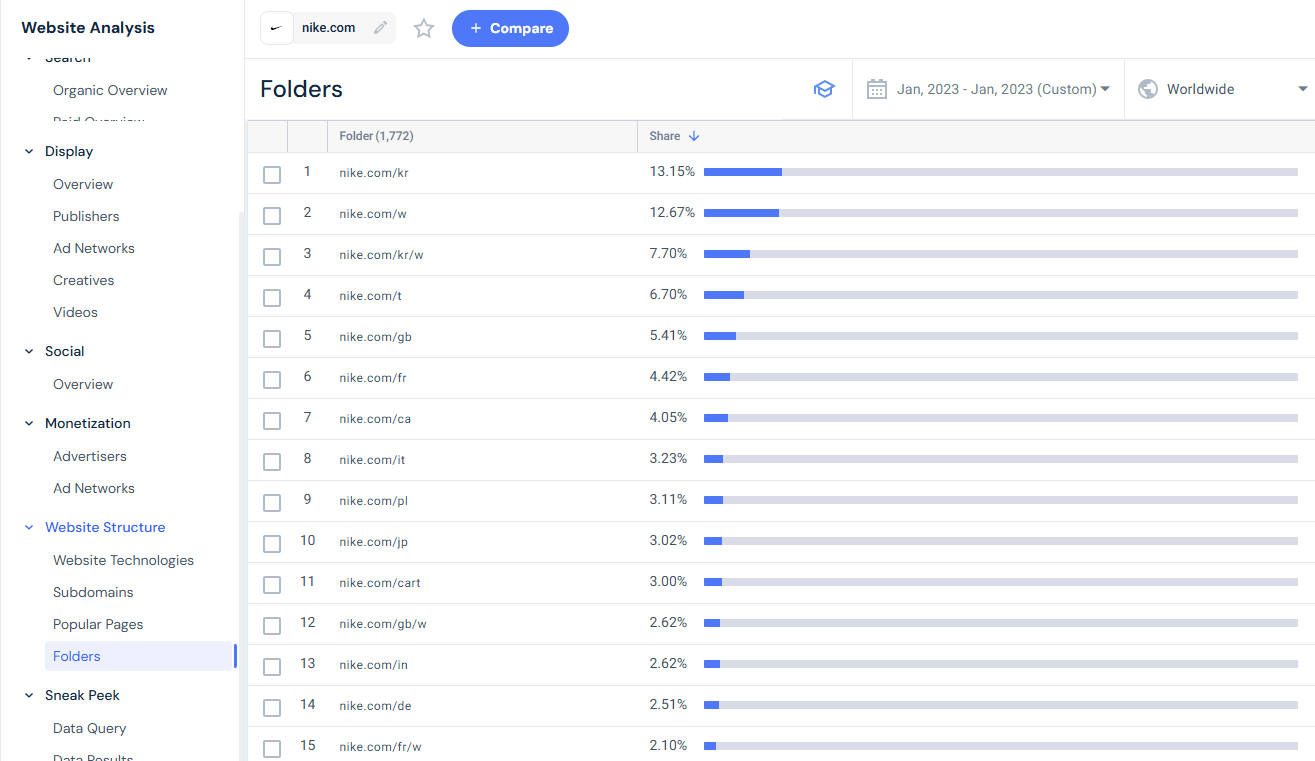
For example, let’s take a look at nike.com’s top language folders sorted by market share. Their Korean language site gets over 13% market share, while the main store URL (nike.com/w) comes in second with 12% market share.
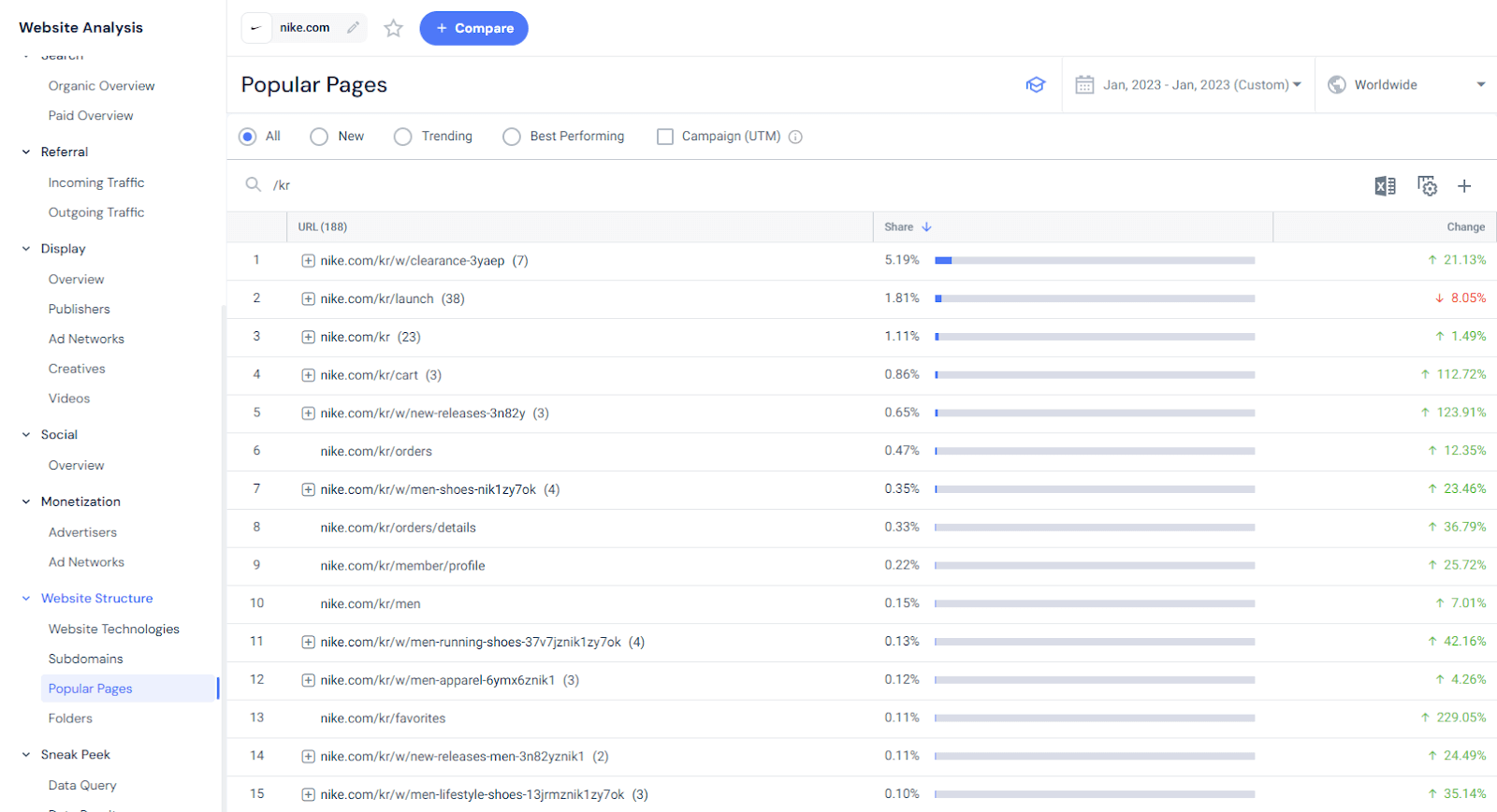
We can then drill down further and analyze the most popular pages on the Korean website. In this example, you can see that the most popular pages on the site are the sales and launches pages, followed by the Korean homepage.
You can then continue your analysis by looking at ad campaigns and organic pages that pull this traffic and understand how they contribute to the business per region. Here is a drill down into nike.com/kr’s most popular landing page, where we can see the success of one campaign that brought in a majority of the traffic compared to other less successful ones.
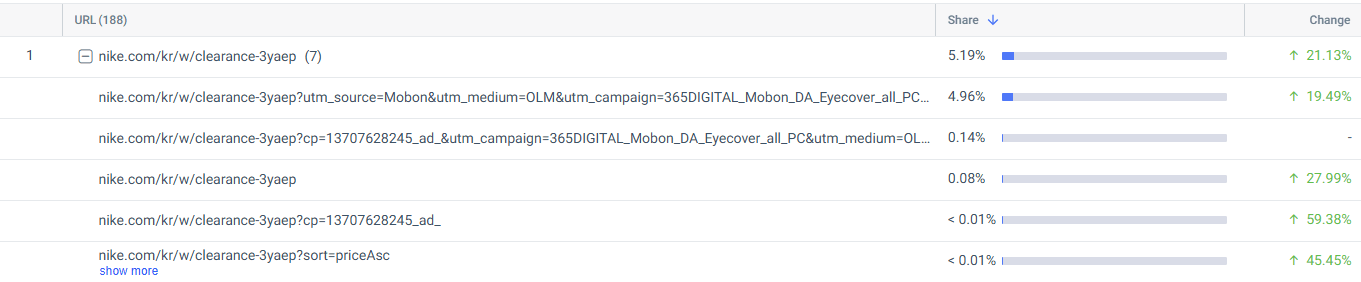
With Similarweb, you can get even more granular and see the ad creatives and the keywords targeted by these campaigns, creating clear benchmarks per region.
Using Similarweb’s competitor analysis tool, companies can measure their sites against the competition with detailed statistics on the strength of language versions against the market. For example, a travel site may find its Japanese interface is better than its Spanish during specific seasons, revealing cultural differences. These insights aren’t merely data points—they can be used to create strategies tailored to local habits and demands.
Cultural nuances also play an important role in online interactions. For instance, visitors to a Spanish-language version of a beauty website might spike during Dia de los Muertos. It’s a nice theory—but is it true?
Let’s check!
Dia de los Muertos is celebrated annually at the beginning of November. Now let’s look at the traffic trends for Sephora’s website over the past 3 years. Can you guess where November sits on this chart?
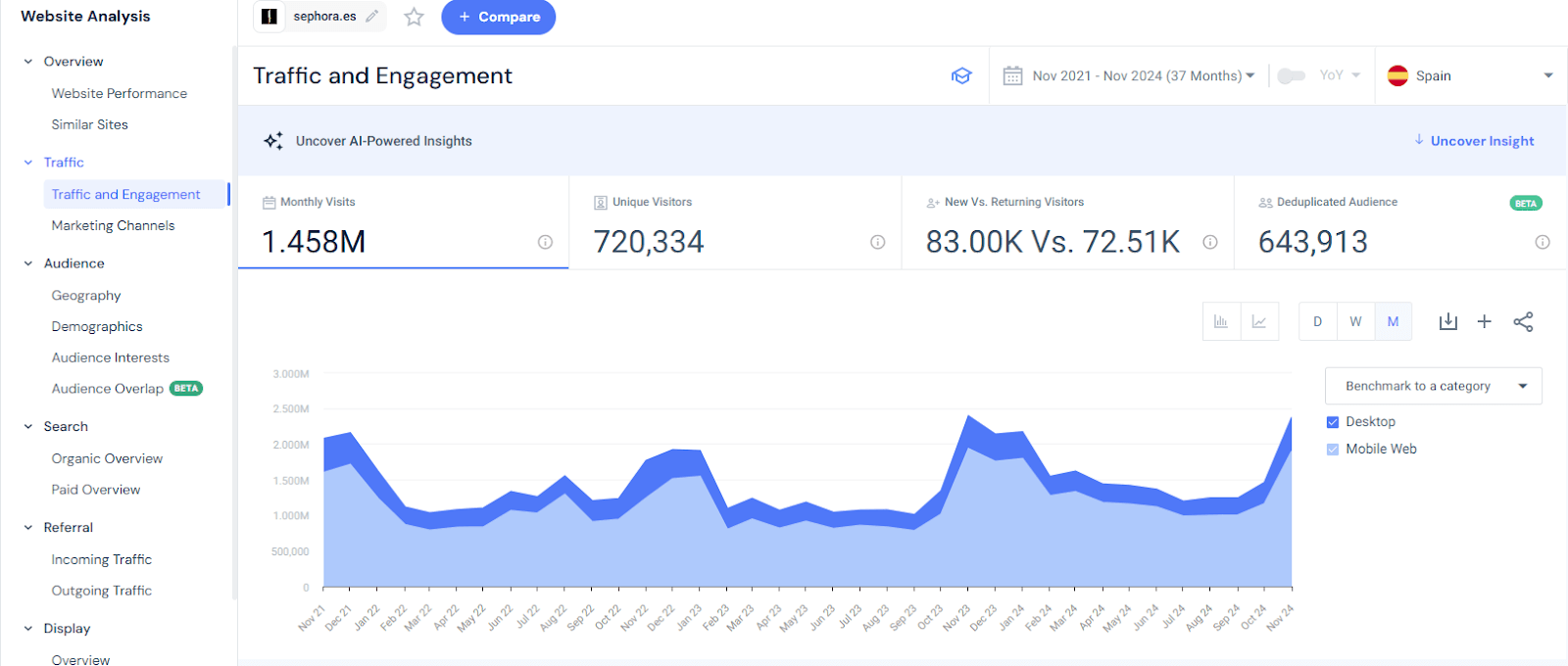
If you’re Sephora’s CMO, you’d capitalize on this trend year after year. And if you’re a competitor, it’s time to harness this data and claim a larger share of the traffic.
These patterns provide an opportunity to tailor marketing messages to match cultural festivals in their region. Customizing content is advantageous and an important factor in staying competitive in the global market.
This section dives into how to monitor regional traffic spikes or dips to uncover market trends and user behavior. We’ll also examine how language-specific campaigns and content updates can influence traffic patterns, helping you refine your strategy for maximum impact.
It is important to keep track of traffic patterns to stay on top of user behavior and market dynamics. Periodic assessments uncover changes that help channel resources to growth-bearing regions. For instance, traffic spikes and dips can signal market trends or new audience tastes. A language update that drives engagement may represent growth potential, while a sudden drop could reflect old content in need of an overhaul. By understanding these shifts, organizations can adapt quickly and respond to the current needs of the market, which strengthens audience relationships.
Translated campaigns and content refreshes can impact traffic flow in a way that makes clear what is popular among users. Monitoring these impacts can guide content strategy modifications and optimizations to increase engagement and reach. Your business can take advantage of Similarweb’s data to look for regional trends and better understand what has successfully attracted interest. This keeps the content current, relevant, and accessible to a variety of audiences, giving the website the greatest potential impact around the world.
Maximizing the performance of multilingual sites calls for an actionable plan with clear, data-driven information. Similarweb has the data to give you true, actionable insights that can be essential for finding potential improvement areas.
Multilingual website optimization demands insights-driven strategic enhancements. Localized SEO is where businesses need to begin. It’s all about knowing and using keywords that resonate across every language. Increased visibility naturally drives more organic traffic to your site. Conducting tailored keyword research helps you identify locally relevant terms, boosting your rankings in search engines.
Pro tip: When optimizing an international website, remember the technical SEO requirements so that you implement hreflang tags to help search engines determine which language version of your website is intended for each country or region.
Another key strategy is creating localized content. This goes beyond simple translation by incorporating cultural nuances and preferences to ensure authenticity. Understanding local attitudes helps businesses connect more meaningfully with their audience, making the investment worthwhile for a stronger market presence and deeper engagement.
Invest in regional ad campaigns to further improve your performance. Utilizing region-specific PPC tools helps businesses allocate advertising budgets smartly to reach their target audiences.
Let’s take a look at Nike’s ads for its French audience last month vs. its ads in Brazil. In France, the emphasis is on the shoe’s affordability and pricing. In Brazil, the ads celebrate the NFL’s Micah Parsons (in what seems to be a recurring campaign). This comparison offers valuable insights into each market and how to navigate it effectively.
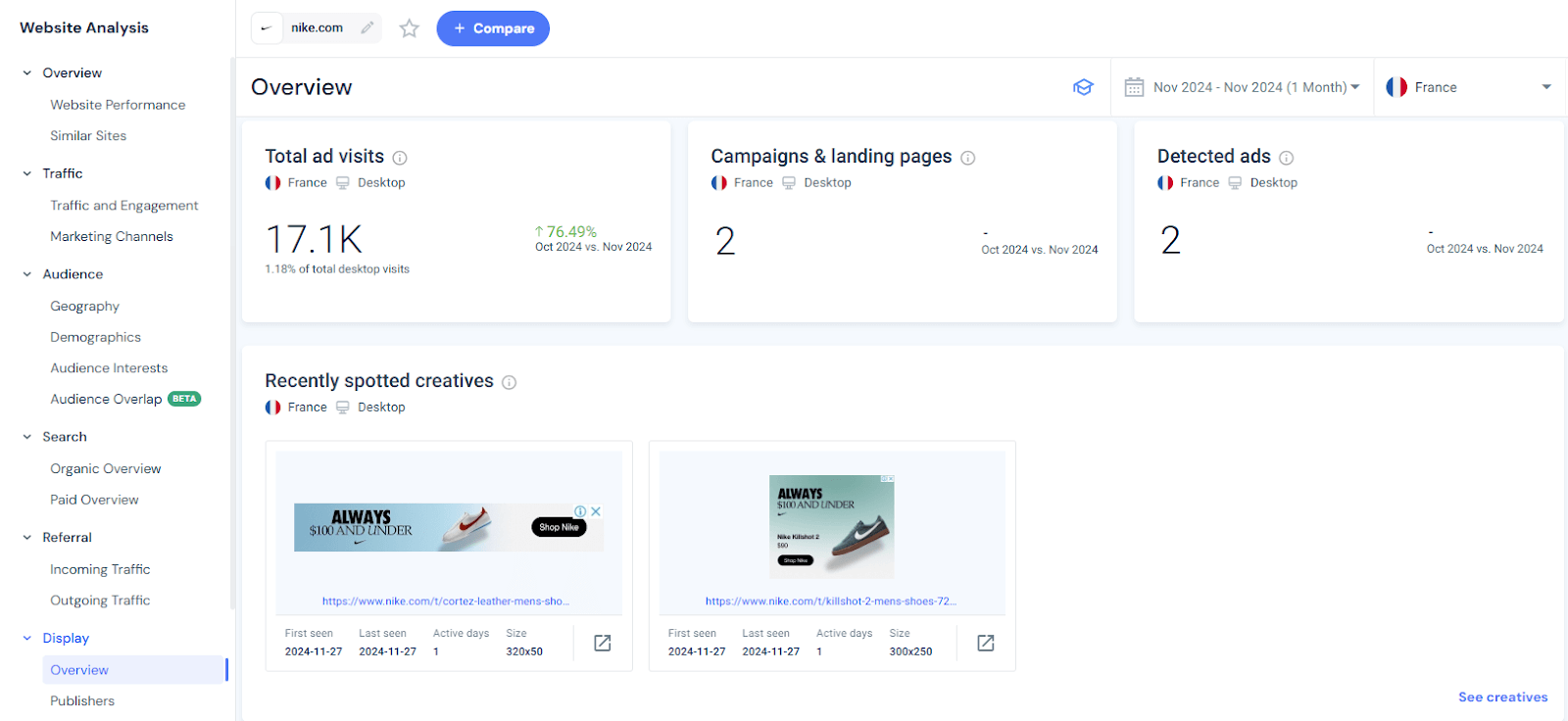
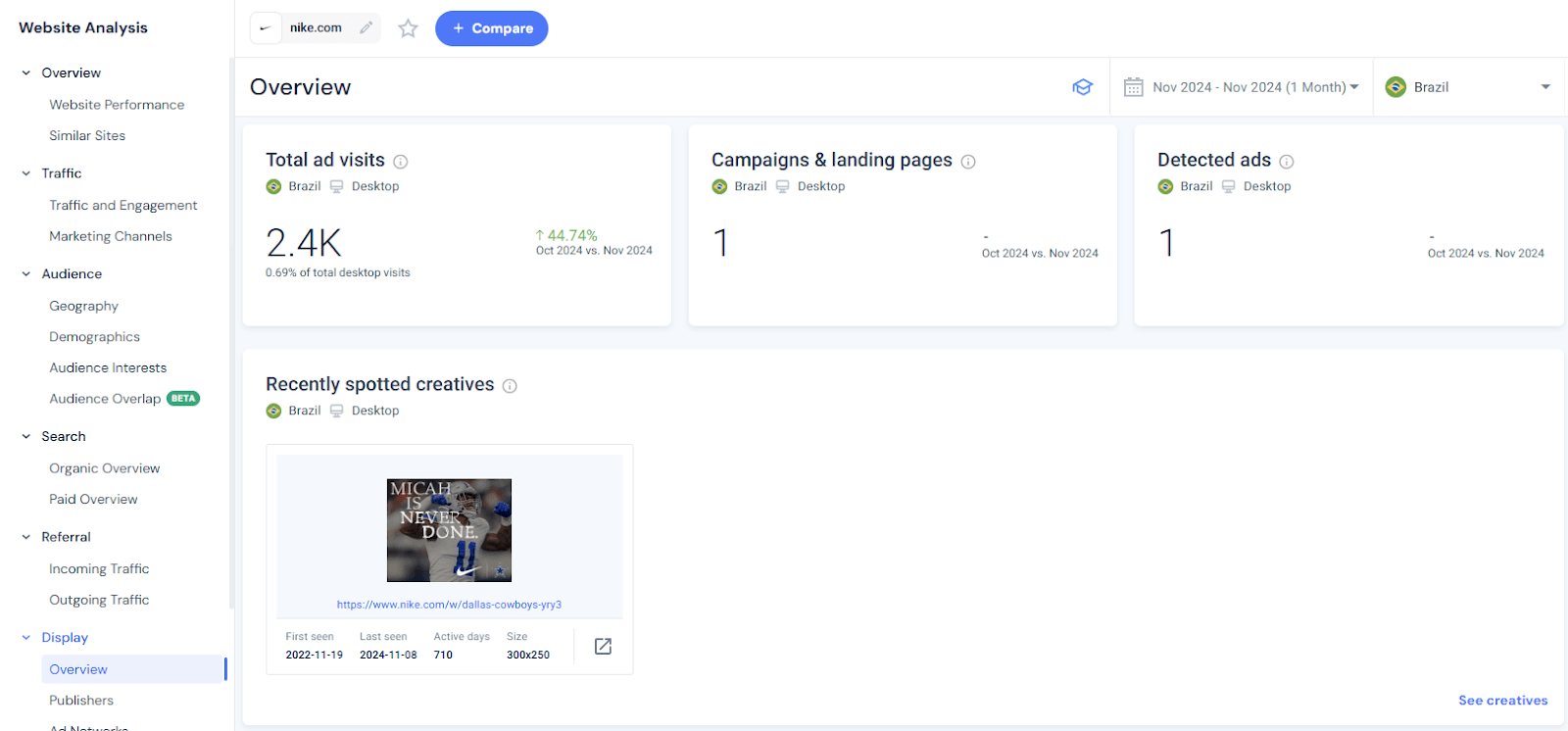
Is it that French people value discounts and affordable products, while Brazilians value sports and celebrities?
Let’s dig even deeper and widen our scope into Nike’s ad activities in Brazil vs. France over a longer time frame of 12 months. Here are the ads:
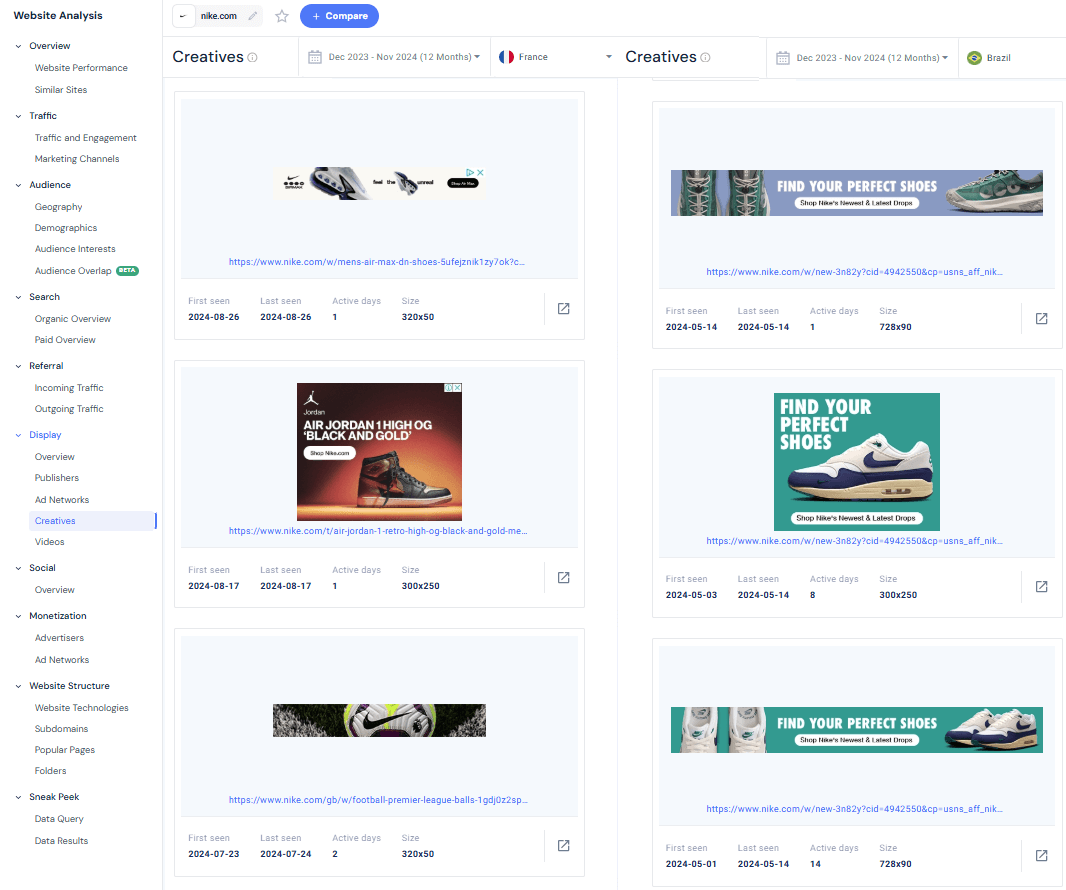
Now we see that 99% of the ad creatives used in Brazil contain the same copy, “Find your perfect shoes,” while in France, there are many various creatives and copies that seem to be on-trend with launches, sports events, and seasonality.
This new data contradicts our previous conclusion that the French prefer affordability and Brazilians prefer celebrity-endorsed or branded shoes. There’s a different creative for every new launch and event in France, so it’s not about pricing. Our new conclusion regarding Nike’s ads is that they have a smaller advertising budget for the Brazilian market than the French one. It might be a business decision, or it might be an oversight. If you’re a direct competitor, this might be a great opportunity to increase your market share.
Similarweb’s Ad Intelligence tools can help you analyze competitors’ campaigns and shape your own campaigns to fit local cultures and users’ buying behaviors in a specific region. This can significantly drive loyalty and community engagement.
Analyzing traffic on multilingual sites helps to create efficient engagement strategies. It enables businesses to satisfy differing user needs across the globe. This is where Similarweb proves to be invaluable, as it comes with features and tools to analyze global traffic, from SEO audits to analyzing market competitors. These solutions enable you to customize plans more precisely in line with consumption habits and may even open new possibilities. This method not only consolidates your company’s standing in multilingual markets but also allows for continuous growth and connectivity with your audience.
How can a multilingual website help your business?
The multilingual website helps unlock new markets and drive international expansion by efficiently engaging in local languages. It also cultivates relationships with regional audiences and allows companies to customize messaging based on cultural differences and preferences.
What impact does multilingual content have on user behavior?
Content presented in the user’s language provides greater engagement and reduces bounce rates, which may lead to visitors spending more time on your site and interacting positively. It allows for an individualized experience that builds brand loyalty and invites repeat visits from different groups of people.
What are the important factors to think about when implementing content localization?
Reviewing traffic sources and engagement from different locations helps identify content areas for rework. What’s more, a thorough knowledge of their culture, region, and customer tastes will also verify that your content resonates with your target audience.

Director of SEO & AI Search at Similarweb
Limor brings 20 years of expertise in SEO and AI Search. She thrives on solving complex problems, creating scalable strategies, and building amazing dashboards.
Top Ecommerce Companies in the USA: The 100 Brands Winning the Traffic Race in 2026

3 of the Sharpest Minds Weigh in on the State of Gen AI in 2026

The ultimate solution to help you build the best digital strategy
