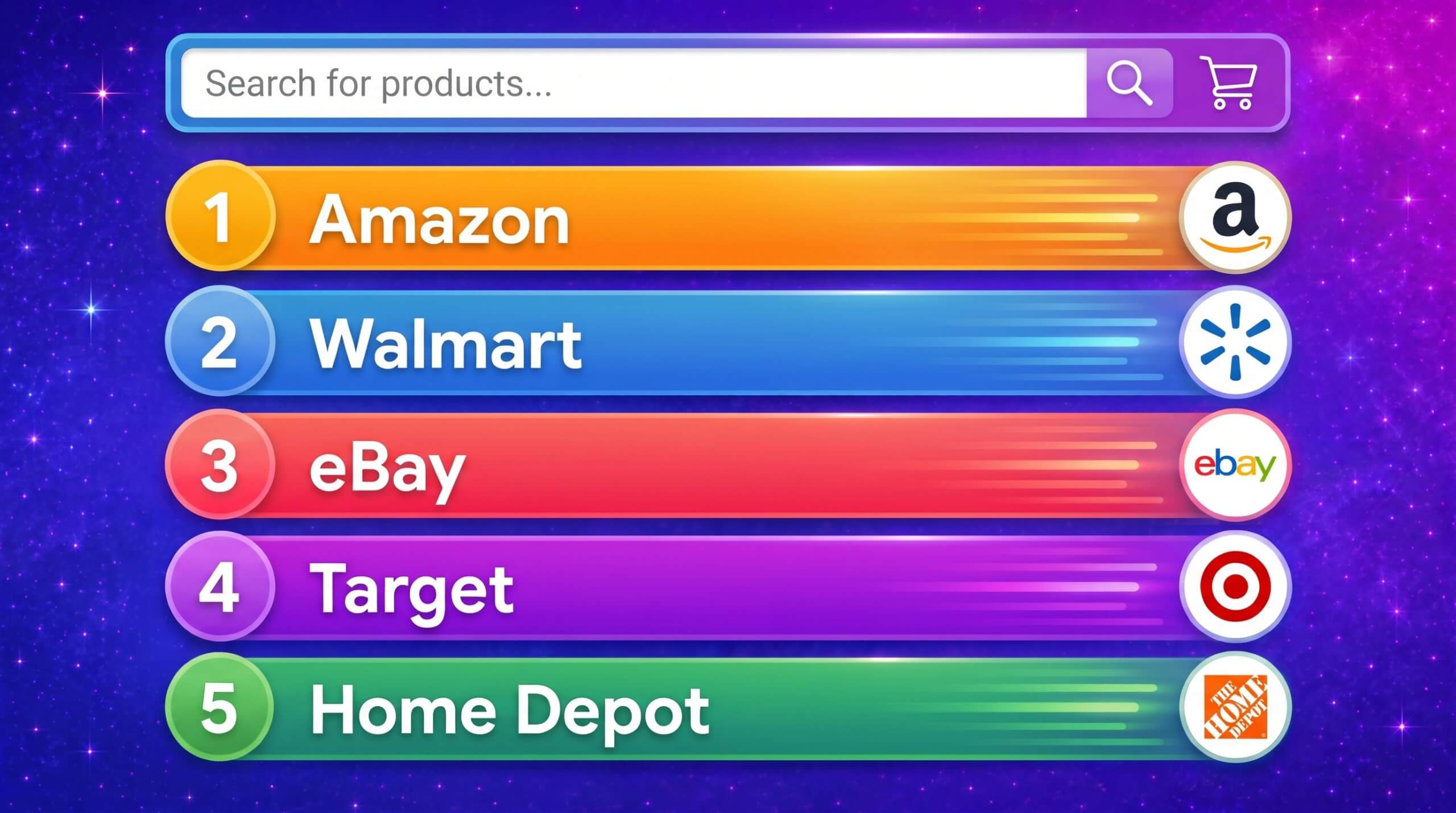
The Top 100 Most Visited Websites in the World (August 2026)
by Shai Belinsky10 Min.
Sep 17, 2026

Figuring out trends is critical to any business. Put another way, if your marketing strategy is a burrito, knowing what consumers want is the refried beans.
Consumer preferences change fast. One moment, a product is flying off the shelves; the next, it’s gathering dust.
Winning in this space is all about knowing when demand surges before the competition catches on. That’s exactly where you need Similarweb’s Demand Analysis.
Demand Analysis helps answer the big questions:
Get the right data, act fast, and secure your place at the top. For that, you need to know product-market fit.
Product-market fit ensures products meet real customer demand. For startups, it’s validation; for established businesses, it’s continuous adaptation.
Market intelligence solves this challenge by tracking customer needs, trends, and opportunities. Data-driven decisions reduce risk, optimize updates, and maintain a competitive edge.
Product-market fit is a dynamic competitive advantage, not just a milestone. Companies using this approach anticipate market shifts to keep products relevant and growth-oriented.
Even industry giants can’t rest on success. Digital acceleration shortens product lifecycles, forcing adaptation or obsolescence. Success requires reliable data for strategic decisions, especially when consumer behavior changes so quickly.
Market leadership needs more than historical data. Netflix dominated its market by pivoting from DVDs to streaming to original content, tracking market signals rather than clinging to past wins.
Competitive businesses must use agile market intelligence like Similarweb’s Demand Analysis to spot shifting behaviors and emerging opportunities.
Spotting a trend at the right time makes all the difference. Leaders must go beyond gut instinct and look into demand shifts, keyword surges, and search intent signals. Is a trend a quick fad, or does it have staying power?
Demand analysis reveals which consumer behaviors are here to stay—and which are fleeting spikes you can ignore.
Traditional surveys on their own don’t cut it anymore. They capture opinions, not intent. Consumers might say they want one thing, but their search behavior tells a different story. By tracking real demand signals, businesses can detect subtle shifts and address them. That means matching your product offerings with what customers actually want. This is better than basing it on what they said they wanted last year.
Watching competitors isn’t enough. The real edge comes from knowing why consumers choose them—or why they don’t. What search terms lead to their products? Where do customers drop off? What features make them convert? A detailed consumer experience map exposes vulnerabilities. Companies that pinpoint unmet needs and adapt accordingly lead the market.
Getting product-market fit right is the difference between explosive growth and wasted resources. Similarweb takes the guesswork out of the equation as it provides consumer data that helps businesses verify demand, forecast trends, and optimize product offerings precisely.
Entering a new market or launching a product in a new market without sizing up the opportunity is a risky move. Before investing time and capital, you must know if the demand is real and sustainable.
Similarweb’s Demand Analysis is built for exactly this. It lets you gauge market size, track consumer interest, and identify trending opportunities—before you commit.
Here’s how to do it:
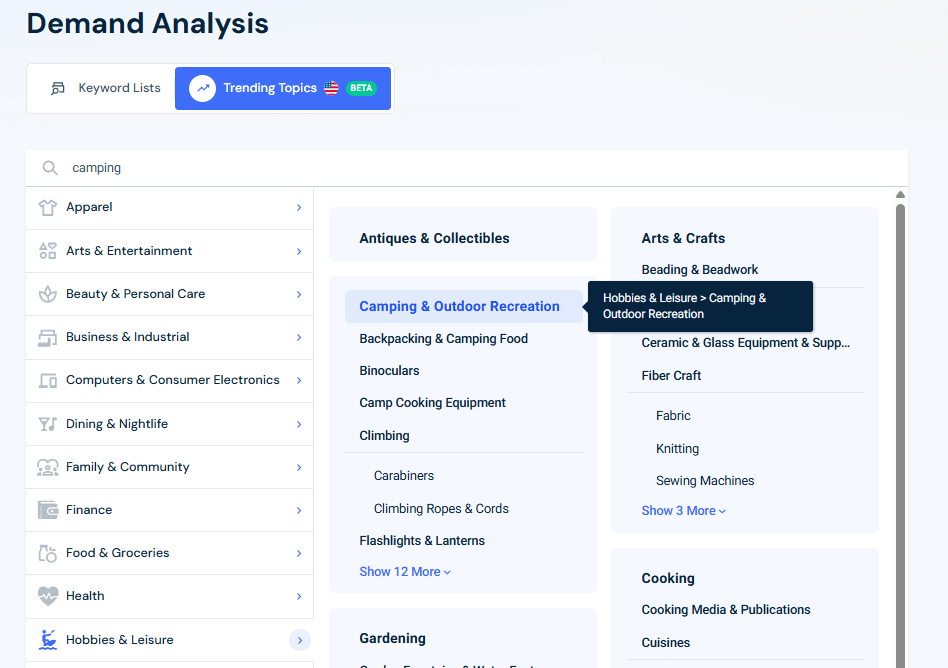
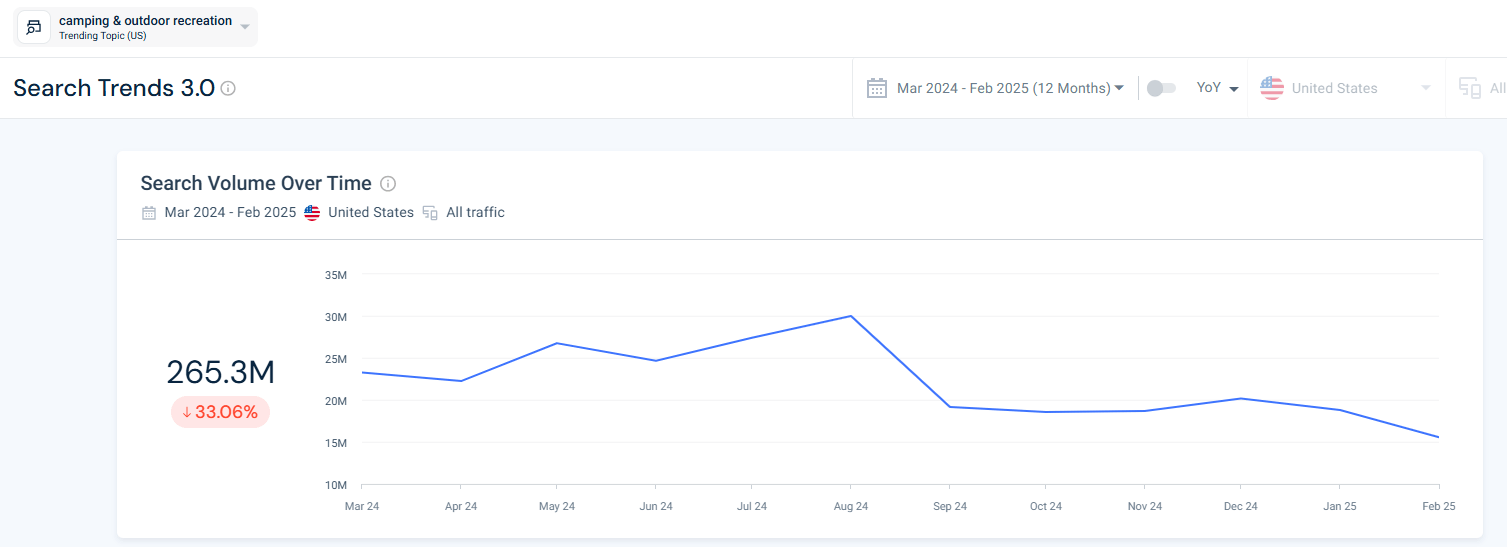
Spotting an upward trend may be a green light to invest. Businesses that use these insights can align product development with what consumers actually want.
Understanding seasonal trends and market cycles is essential for product success.
With Similarweb’s vast historical data, you can track demand fluctuations over time, spot peaks and valleys, and plan launches with precision. The Demand Analysis module reveals search trends and gives you a roadmap of when consumers are actively searching for products in your category.
Want to go deeper? Use Cluster Trends to analyze sub-trends. Keyword clustering groups related searches instead of just tracking broad market shifts. This exposes micro-trends that influence the bigger picture. This lets you zero in on niche segments—the hidden pockets of demand that drive market movement.
Here, you’ll uncover granular insights into how consumer preferences are moving. Maybe a specific product is gaining traction, or a once-overlooked product category is suddenly seeing a surge in interest. Identifying these changes early gives you the upper hand so you can position your products where demand is heading as well as where it is today.
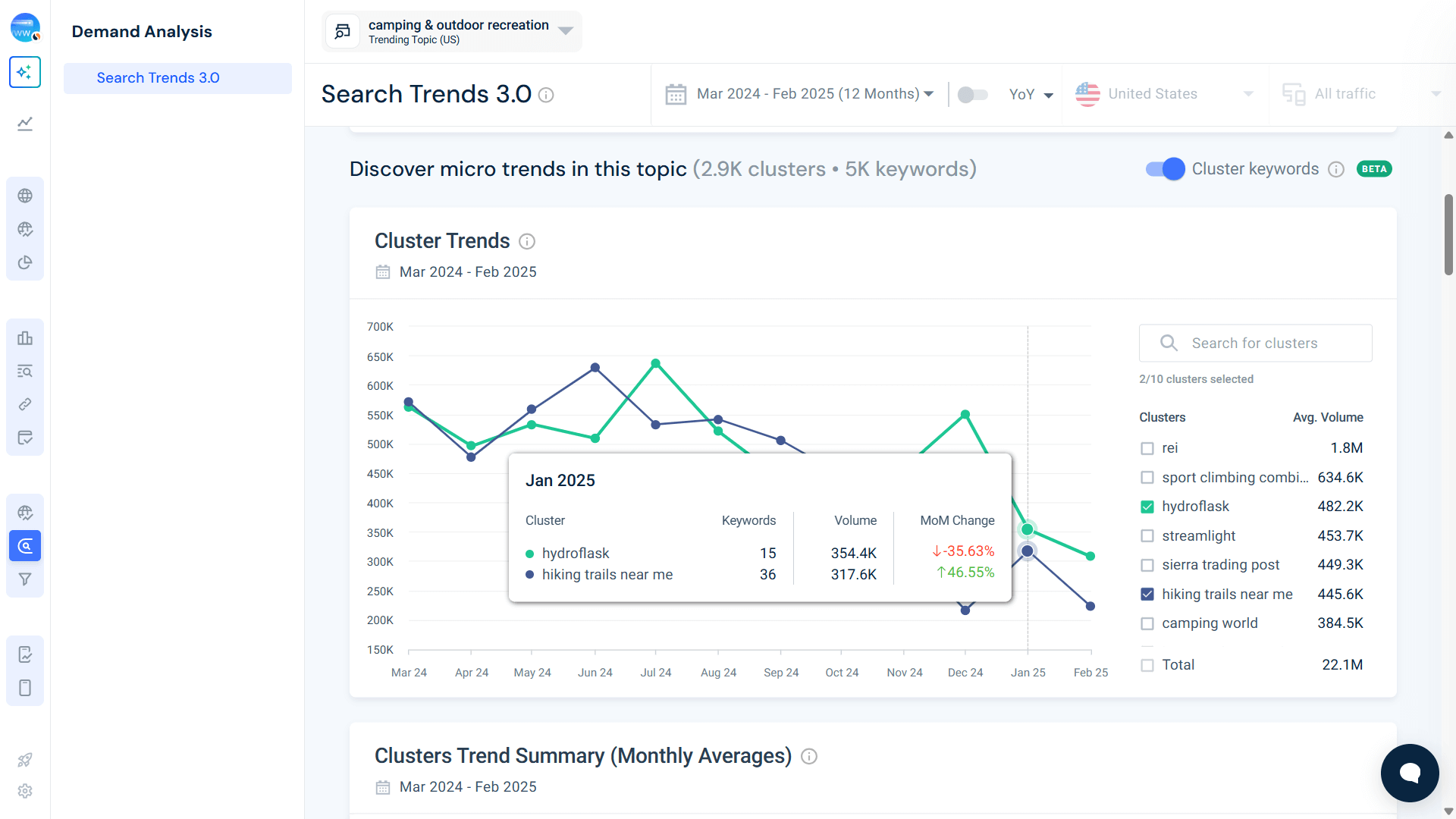
With Similarweb, businesses anticipate market demand. By matching product development, marketing, and inventory strategies with real-world consumer behavior, companies can lock in product-market fit and drive sustained growth.
Finding product-market fit is a moving target. Even well-established companies must continually fine-tune their strategies to keep up with shifting consumer preferences. Markets and trends change, and what worked yesterday might not work tomorrow.
Using Similarweb’s Demand Analysis, brands gain a 360-degree view of market trends to help anticipate changes instead of reacting to them. Whether it’s identifying an emerging product category, tracking seasonal shifts, or validating demand before a big launch, the right insights minimize risk and maximize opportunity.
Staying ahead demands data-backed decisions. Make demand analysis a core part of your strategy, make sure your products remain relevant, and drive long-term growth.
Want to see it in action? Check out Similarweb’s Demand Analysis today and put your business in a position to lead.
How do you know when you’ve achieved product-market fit?
You’ll know you’ve hit it when customers recommend your product without being asked, retention rates are high, and revenue growth feels almost automatic. A clear indication is if 40% or more of surveyed users say they’d be very disappointed if they lost access to your product. That means you’re on solid ground.
Can established businesses lose product-market fit?
Absolutely and no company is immune. Changing customer expectations, new competitors, or technological advances can erode your once-perfect fit. Just because you had it doesn’t mean you’ll keep it. The solution is to always be aware of market trends, listen to customer feedback, and be ready to make changes before your audience moves on without you.
Why is real-time demand analysis important for product-market fit?
Markets continue to change and consumer preferences as well, which is why you need fresh data. Real-time demand analysis helps businesses spot trends before they happen, adjust strategies at the moment, and stay relevant. It’s the difference between reacting too late and leading the pack.

by Roie Gortler
Senior Product Marketing Manager
With 15+ years in product marketing, strategy, branding, and PR, Roie has driven growth at top agencies and tech firms through product launches and go-to-market strategies.
Contact us to set up a call with a market research specialist