






The Top 100 Most Visited Websites in the USA (August 2026)
by Shai Belinsky10 Min.
Sep 29, 2026
 Sales Intelligence
You might already know that over 78% of startups fail in the first year because of mismanagement of funds, ineffective marketing, skewed product market fit, and superficial research. This statistic not only accounts for new businesses but also the ones backed by venture capital or institutional debt.
You might also believe that in 2025, an AI-generated GTM strategy will give you a decent action plan because it understands all aspects more deeply.
But what separates a new-age successful product or service from one that goes unnoticed? The answer lies in a bespoke Go-to-market strategy (GTM strategy).
In this article, we will dive deep into what is the purpose, key elements, foundation, and methodology of crafting a winning go-to-market strategy.
All these will be backed by case studies and finally, end with a free template that will help entrepreneurs and marketers such as yourself use Similarweb’s digital intelligence to beat those generic AI models and get you working on your first strategy.
Without any further ado, let’s answer the first question…
A go-to-market (GTM) strategy is a structured plan that helps businesses launch new products or services and enter new markets effectively. It focuses on identifying the right audience, crafting tailored messaging, and strategically timing the launch, among other elements.
The key components of a GTM strategy include:
A well-executed GTM strategy helps MSMEs by tackling all problems that contribute to failure after the ideation stage. You might have a solid product, but minimizing risk, optimizing resources, and understanding the market are essential.
Pro Tip: With today’s dynamic markets, it is never a bad idea to revisit your strategy periodically. A go-to-market (GTM) strategy is vital for new business adventures and long-established ones equally.
It serves as a roadmap to ensure that every aspect of the product launch (or relaunch) is optimized for efficiency, maximizing revenue, and consequently success.
These are a few ways how a GTM strategy can ensure success
By identifying, classifying, and reaching out to the right audience, you can ensure that your marketing and sales efforts are not wasted on uninterested or irrelevant consumers.
According to McKinsey, companies that segment their Total Addressable Market (TAM) are 60% more likely to hit their revenue goals.
A GTM strategy not only helps you create personalized and highly targeted campaigns with the data collected (more on this later) but also aligns the marketing and sales teams ‘ efforts.
Salesforce says companies with coherent marketing and sales see up to a 38% increase in sales conversions.
Inherent risks such as poor timing, unforeseen competition, and lack of actual demand can be muffled with the help of a robust GTM strategy.
At least 4 out of the top 10 risks in 2024 can be mitigated with a GTM strategy.
Contrary to popular belief, it is not limited to any one type of company (think: digital or physical product offering) but applies across various industries and business sizes.
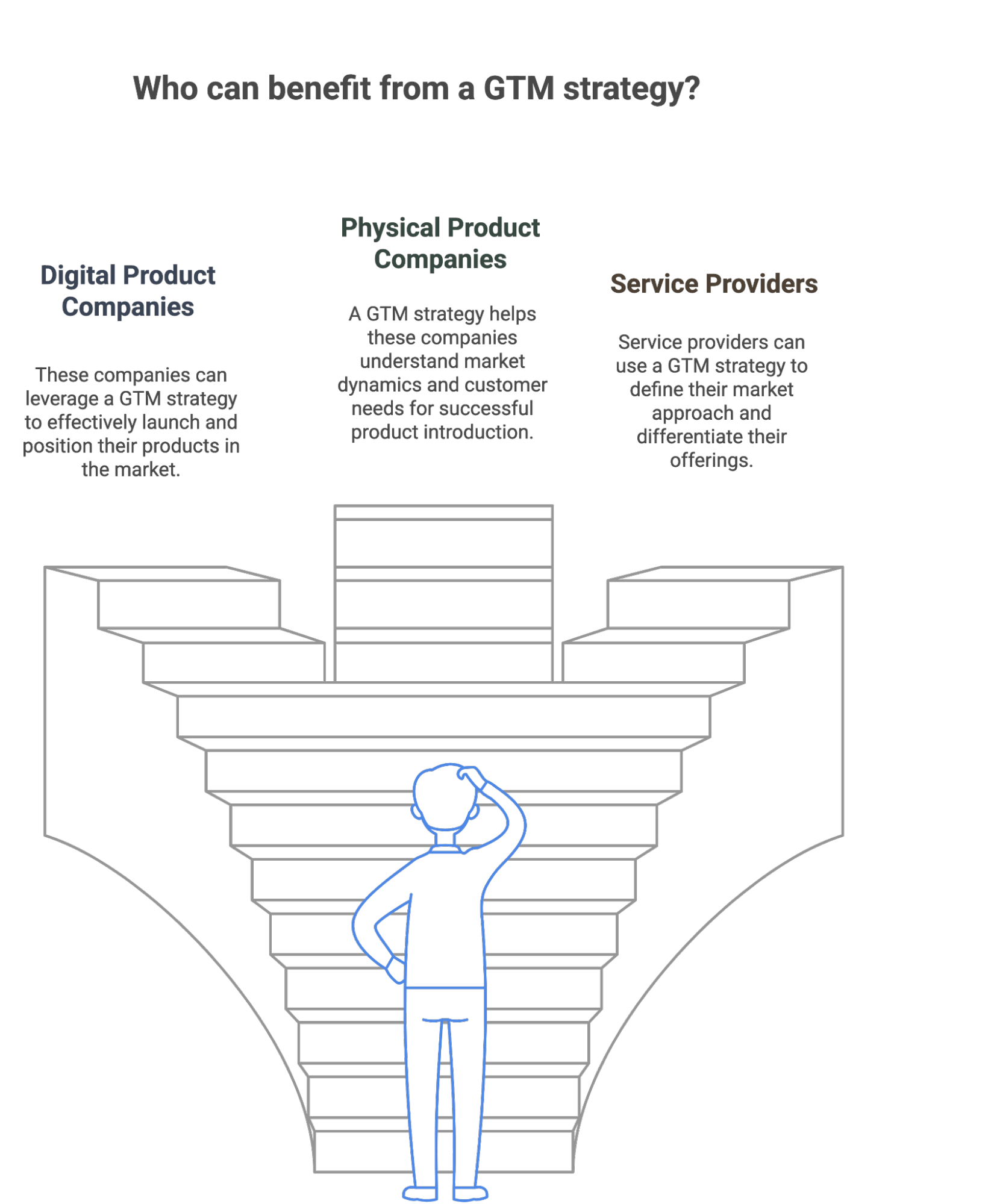
The data needed may feel overwhelming at first to fetch, but I have broken it down into sections that clearly define the objectives. Below are the key elements typically found in GTM strategy frameworks:
The first step in any GTM is to analyze the target market so that we do not waste resources trying to sell to irrelevant audiences.
Some of the key components are:
EXAMPLE: Let’s say a wellness brand sells both protein shakes and meditation apps. While both products fall under health and wellness, the ideal customers for each are likely different. Audience analysis helps identify who’s buying what.
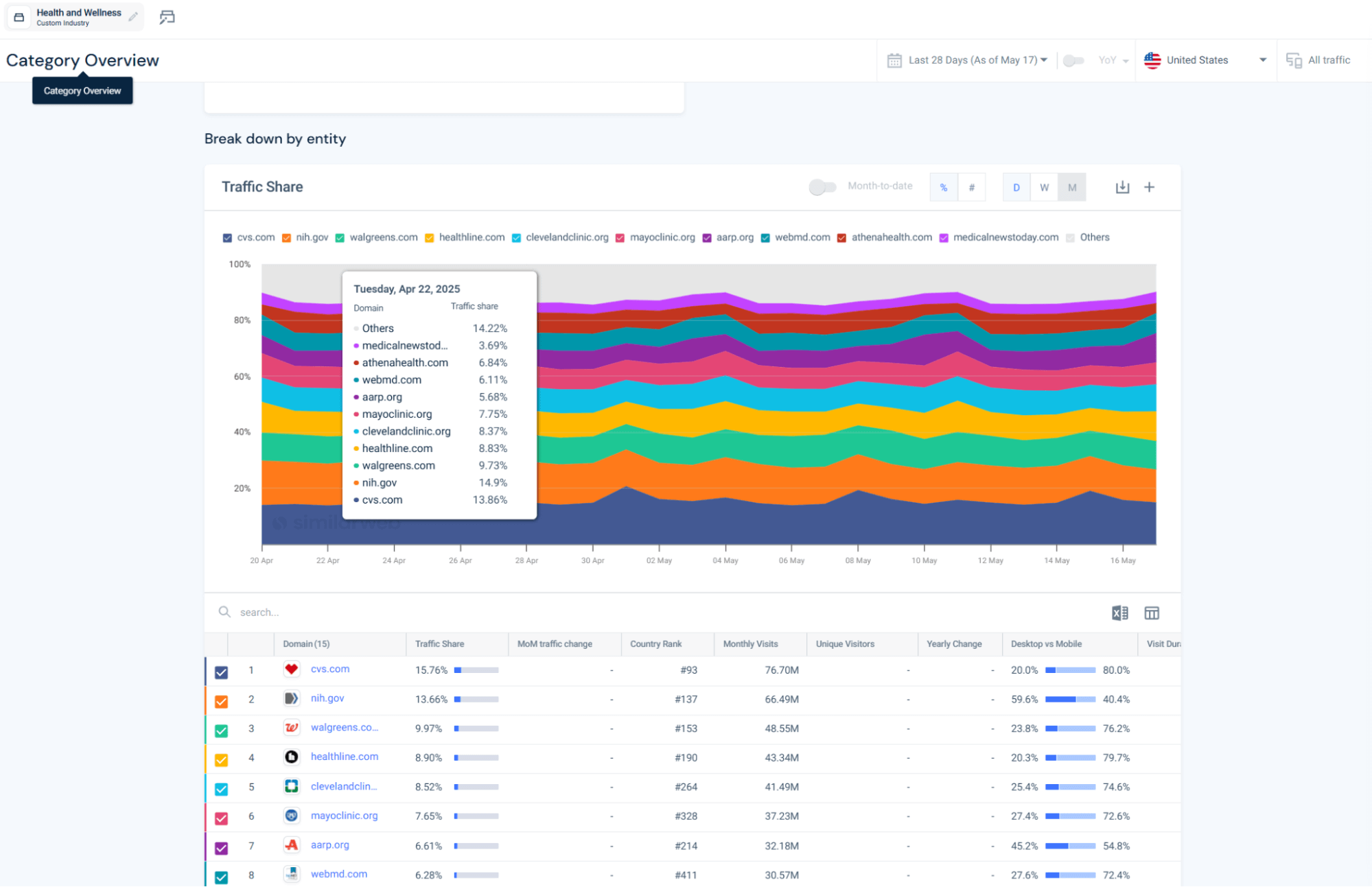
Those purchasing protein shakes engage more on fitness forums and prefer quick mobile checkout, whereas meditation app users might come from mindfulness communities and favor subscription payments. By analyzing customer behavior across channels and regions, businesses can refine their TAM and consequently their ICP and target more effectively.
While it might be clear to you, your prospects might need various marketing copies that clarify how your product solves a problem or fulfills a need.
Components:
By ensuring that your product/service aligns with market demands, you can drive accelerated growth, get validation from early adopters, and pave the way to scaling your business.
Components:
Defining how the product will generate income is one of the most important verticals of a go-to-market strategy since it serves as a tangible/measurable metric to differentiate your offering and influence purchasing decisions.
Components:
The objective here is to decide how you would deliver your product to customers. Be it digital or physical, finding the right cocktail of distribution channels helps your business be efficient.
Components:
To create awareness and generate interest in a product that people have never heard of, you could use market research tools to gauge the market demand and create an omnichannel plan to make your presence known.
Components:
Using the same example as before from the health and wellness industry, you can now spy on your competitors and see which channels of distribution are driving the best results for them without second-guessing.
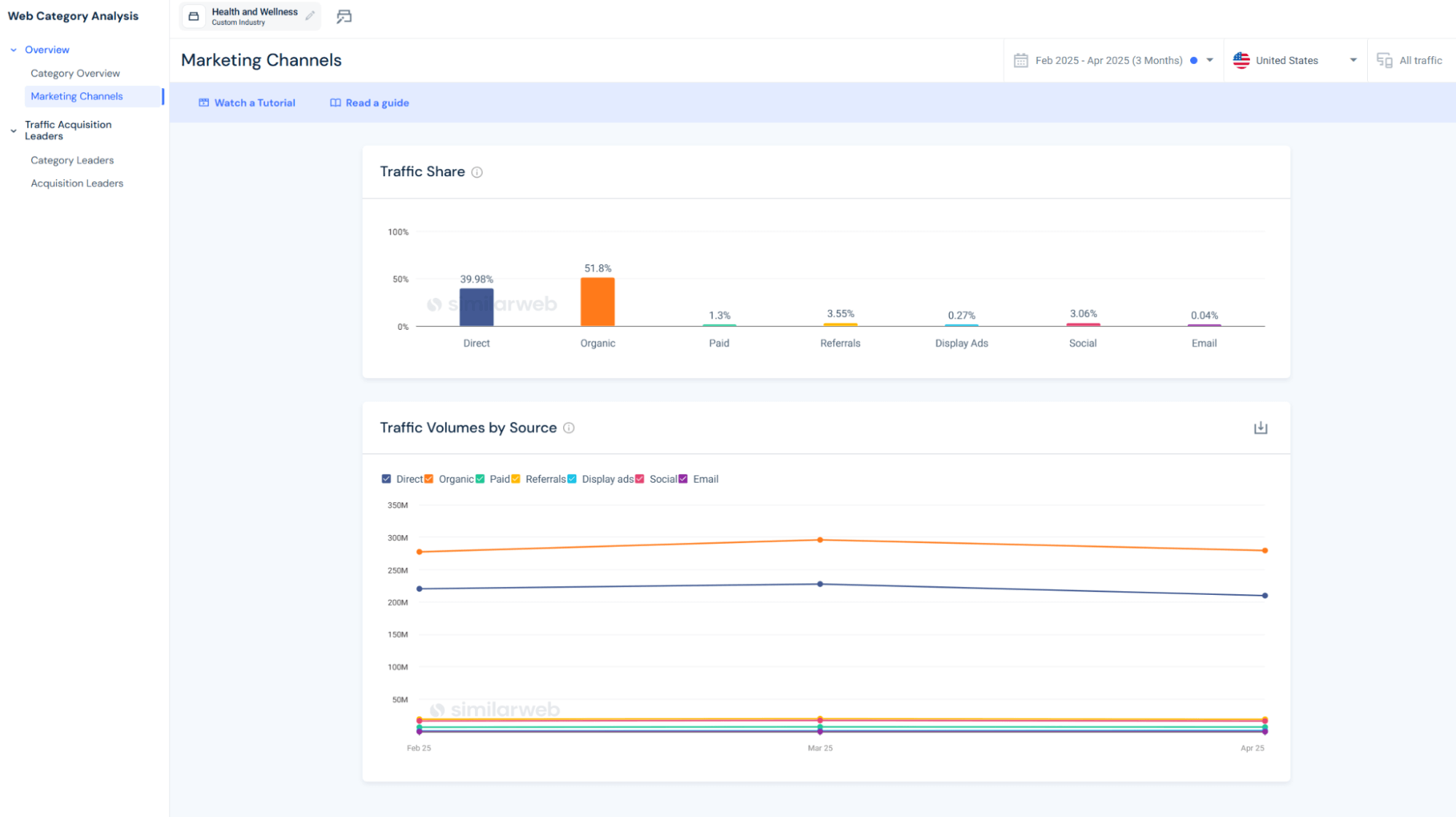
Now that you know what channel works, you could invest all your resources only in the channels that are working.
The leads that you generate from your marketing campaigns need to be driven down the sales funnel next. Drive conversions and close deals by choosing one or more sales strategies such as value-based, SPIN, consultative, and solution-based selling.
Components:
The seven components listed above should help you build a concrete foundation for your GTM strategy, but in my years of working with various brands, I like to go a few steps further and include a blueprint for a few other SOPs (standard operating procedure) that are a must in today’s cut-throat business environment.
For example, customer onboarding and retention with the help of support services, loyalty programs, and constant engagement help you maintain your revenue. It is 10 times more expensive to fetch new clients compared to keeping and upselling to the existing ones.
Lastly, what cannot be measured cannot be managed. Hence, having KPIs (Key performance indicators) for lead generation, customer acquisition cost (CAC), and conversion rates helps you benchmark and track success.
A well-thought-out GTM strategy framework is key to ensuring a successful product launch or market expansion.
Whether a company focuses on customer engagement through AIDA (Awareness, Interest, Desire & Action), 5C (Company, Customers, Competitors, Collaborators, and Context), or experiments with Lean Startup methodologies, choosing the right strategy depends on your business goals and market conditions.
However, Similarweb’s Playbook follows a strategic approach to drive success in the market. It begins with market research to understand the pain points within the industry and identify customer needs.
The next phase targets early adopters, focusing on a small, specific group of decision-makers who can help validate the product. To increase understanding and adoption, product education is emphasized to clearly demonstrate the product’s value.
And the beauty about us is that we are industry agnostic.
Now, let us look at a few examples of frameworks followed and crafted by some of the biggest companies in a jiffy.
Bridging the gap between early adopters and the mainstream market.
Example Use: Tech startups introducing innovative solutions like AI-powered tools or AI agents.
Align internal capabilities with the external market.
Example Use: Large corporations entering international markets to ensure operational alignment.
Data-driven market entry.
Example Use: Marketing agencies scaling products globally.
Use agile processes to adapt to market changes quickly.
Example Use: Consumer goods companies launching seasonal products.
Before embarking on your journey, it’s crucial to understand where you want to go. Many start without clear objectives, but defining your goals upfront will set you apart.
Do you aim to:
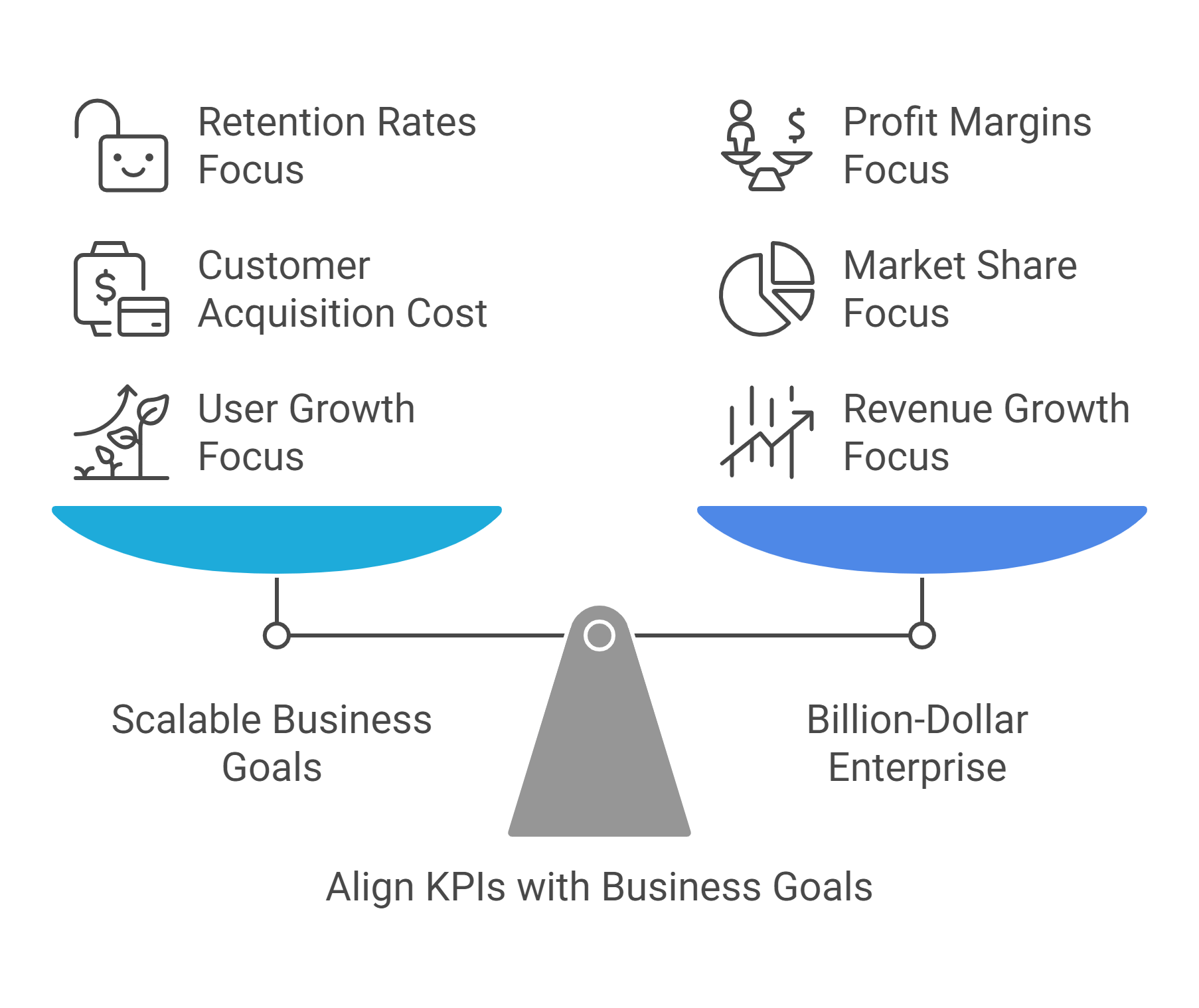
Your goals will shape your strategy and the key performance indicators (KPIs) you track. Set measurable and time-bound KPIs to guide your efforts, whether it’s revenue growth, user acquisition, or market share.
Here are a few KPIs you should be looking into:
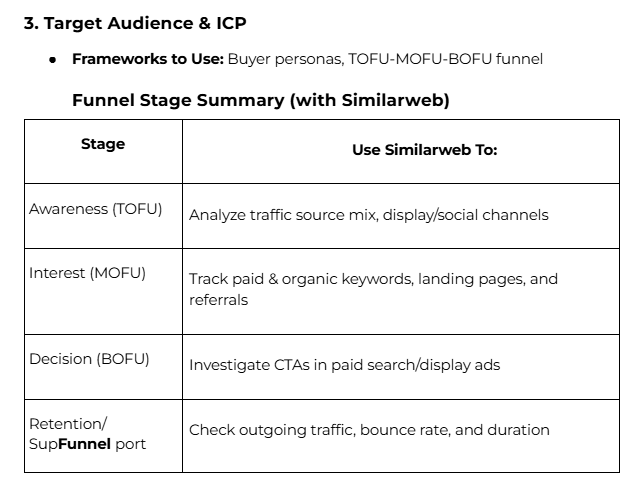
Understand who you’re serving. Research and define your target market and the buyer personas within it. Consider demographic, psychographic, and behavioral factors to build a detailed profile of your ideal customer.
Questions to ask:
You have got to realize that now almost all businesses, doesn’t matter which industry, have a digital footprint that can be monitored, dissected, and analyzed.
With Audience Behaviour Reports, you can identify audience demographics like location and device preference, and then use this data to identify the primary audience interacting with your competitors or industry.
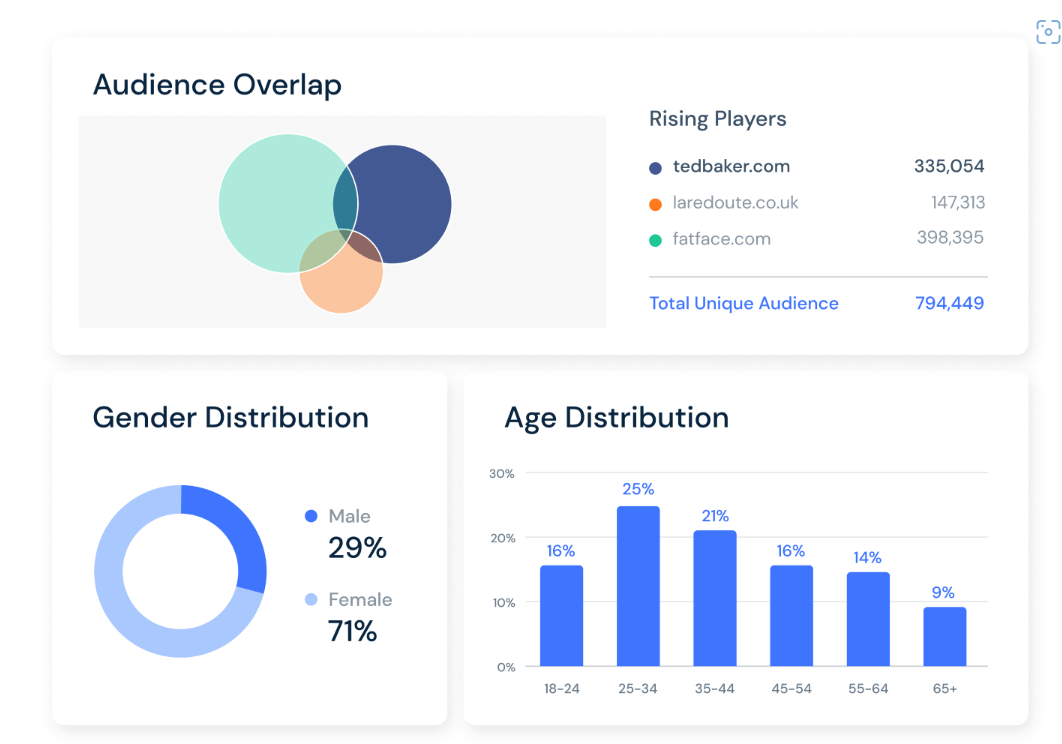
Furthermore, you can now develop ideal personas of what your ideal customer would look like, for example.
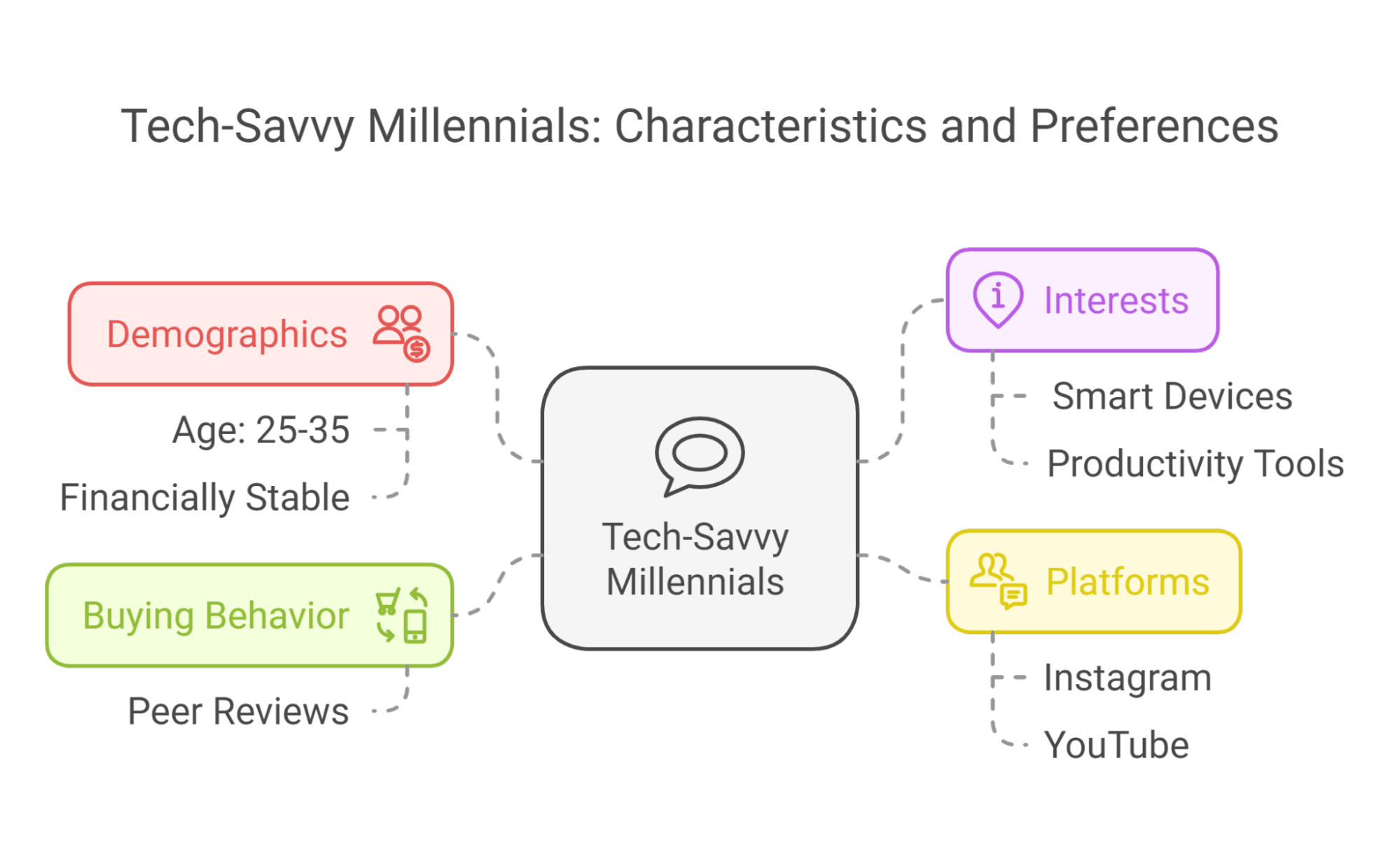
By identifying who benefits most from your product or service, their needs, and purchasing behavior, you can tailor your offerings to address their specific pain points.
The most effective GTM strategies I have studied use both inbound and outbound marketing in a way that complements each other. While inbound efforts build trust and organic visibility over time, outbound tactics create immediate demand and bring in leads faster.
For example, a B2B sales team might generate inbound leads through SEO-optimized content but follow up with outbound sales calls to convert high-value prospects.
Let’s look at both of the methods in a little more detail
Inbound marketing focuses on drawing potential customers to your brand by providing valuable content and experiences.
Content Marketing – Blogging, ebooks, whitepapers, and case studies can position your company as an industry leader. For example, we at Similarweb built this brand through educational content that helps businesses improve their marketing and sales strategies.
SEO (Search Engine Optimization) – Optimizing your website for search engines ensures that when potential customers look for solutions, they find your brand first.
Social Media & Community Engagement – Sharing valuable insights, engaging with followers, and leveraging platforms like LinkedIn, Twitter, and even Reddit can organically increase your brand’s reach.
Webinars & Podcasts – Offering free educational sessions or insightful discussions can establish credibility and bring in leads over time.
On the other hand, outbound marketing involves actively reaching out to potential customers through targeted efforts.
Cold Outreach (Emails & Calls) – Personalized, well-researched outreach to decision-makers can generate direct interest in your product or service.
Paid Advertising – Platforms like Google Ads, LinkedIn Ads, and social media ads allow you to target specific demographics and reach the right audience faster.
Event Marketing & Sponsorships – Attending industry conferences, hosting booths, or sponsoring events puts your brand in front of key stakeholders.
Direct Mail & Personalized Gifting – In an era of digital overload, a well-timed, creative direct mail campaign (like a personalized gift or handwritten note) can leave a lasting impression.
Outbound methods tend to deliver results faster, making them essential for companies looking to scale quickly.
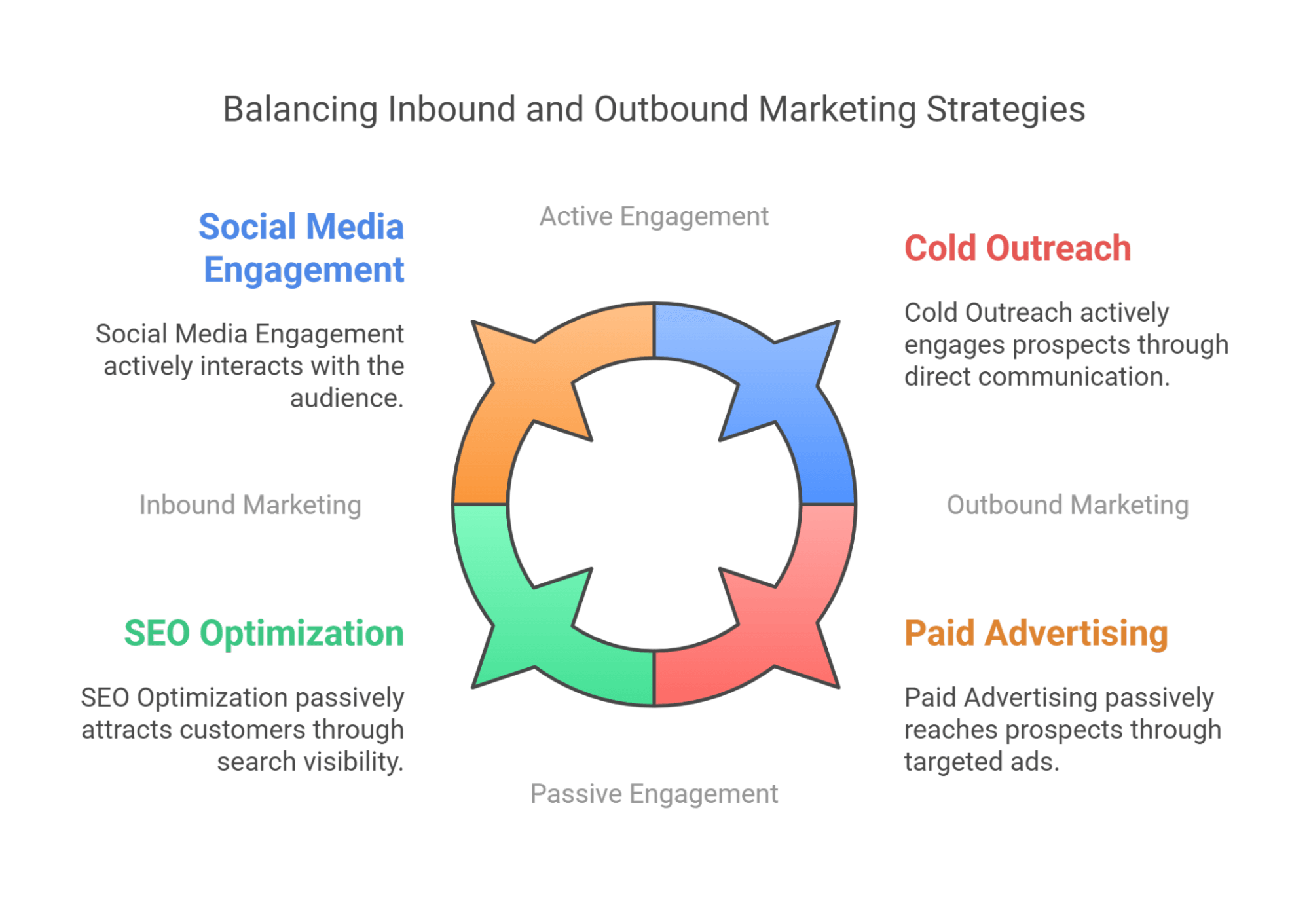
Alt Test: The image is on how to balance inbound and outbound marketing strategies with active engagement on one spectrum and passive engagement on the other spectrum.
By combining both strategies, businesses can maximize their reach, build a strong brand presence, and drive demand effectively. 🚀
Pro Tip: By leveraging User Generated Content (USG), in today’s social media world, you will save a lot of time on testing and evaluating your messaging. Many old-school GTM strategies stress constantly testing your product, but I can’t begin to tell you how inefficient that has become.
BONUS: Test your messaging: Use Your ‘TRUE’ Story to Craft a Value Matrix
Your story is your differentiator. Build a value matrix that aligns your product’s features with the specific benefits your audience seeks. This should be rooted in authenticity, your ‘TRUE’ story, to connect with your audience on a deeper level.
Pro Tip: Start small to gather insights. See what blogs, posts, reels, and TikToks are doing the best. This will help you avoid costly mistakes and ensure your message resonates with your audience.
Before I get into the deeper aspect of recognizing and optimizing your buyer’s journey for maximum conversions, I always recommend that you test your funnels and messaging with your personal and professional circle.
Their opinions have time and time again proven to be invaluable in the early stages. They know your story, vision, and product better than anyone else, making them the perfect initial test group for your SOPs.
Also, they give you a foundation of what data to look at, for example, which channel of social media is working the best in the case of your niche, which helps you cut the noise and focus.
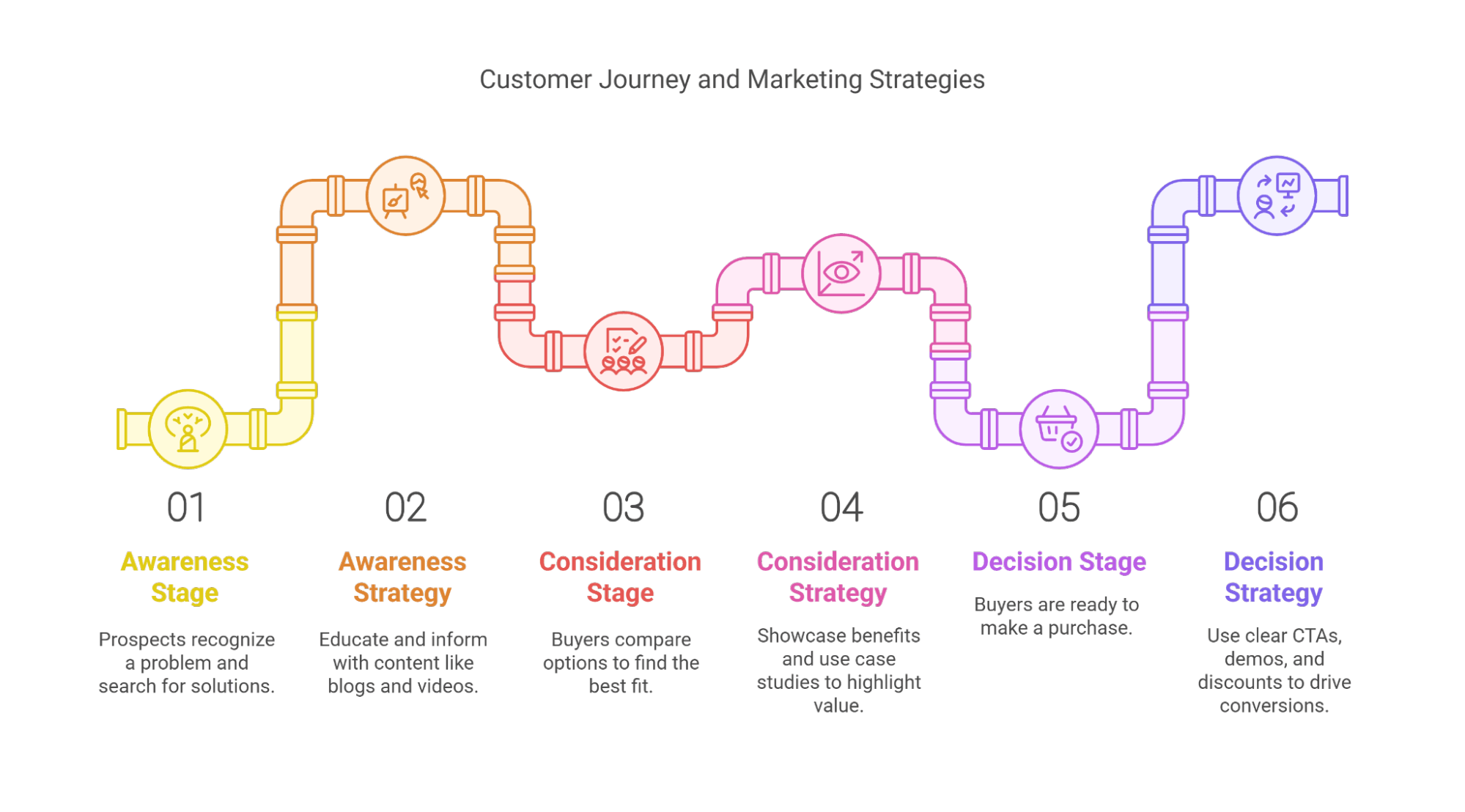
Understanding your customer’s mindset at every stage is critical to delivering relevant content and experiences. Here’s a breakdown:
At this stage, your prospects realize they have a problem or a need. They’re not yet looking for your product – they’re searching for solutions.
How to get started: Optimize with SEO keywords to target phrases like “best protein powder for beginners.”
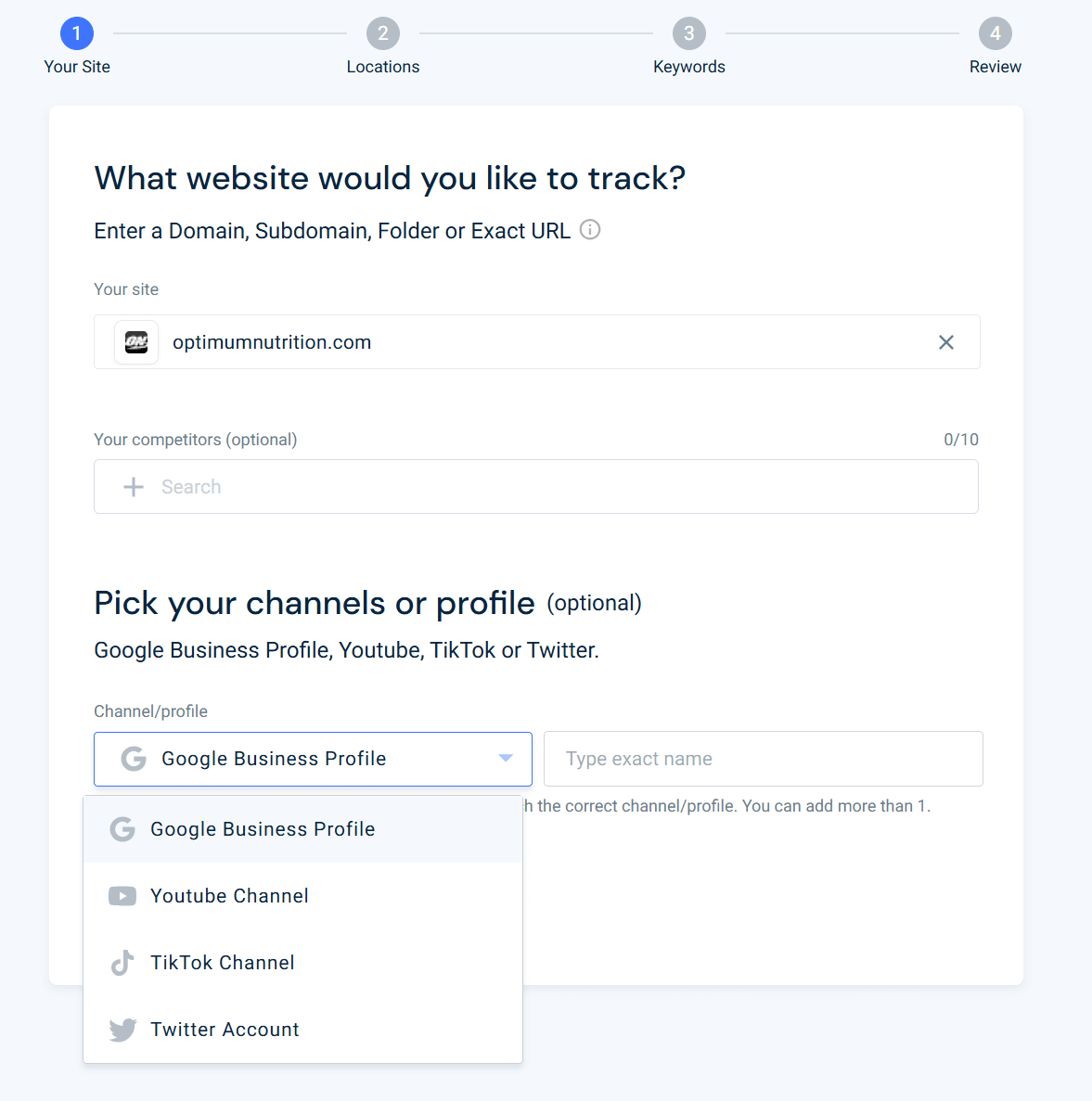
Here, buyers evaluate their options and compare solutions. Your goal is to stand out and position your offering as the best choice.
How to get started: Retargeting ads to remind prospects who’ve engaged with your content to come back and explore further. You can use Ad Intelligence to spy on your competitor’s ads and find the best opportunities, as well as inspiration.
Buyers are ready to make a purchase. At this stage, your focus should be on removing barriers and driving conversions.
How to get started: Recognize where and how most people are landing (touching base) with your brand and focus on adding CTAs there.
Pro Tip: Optimize Based on Competitor Insights. Analyze how competitors run their campaigns, and adapt your strategies accordingly. Use Similarweb’s Web Intelligence to optimize funnels, monitor customers’ touchpoints, and line-of-business performance.
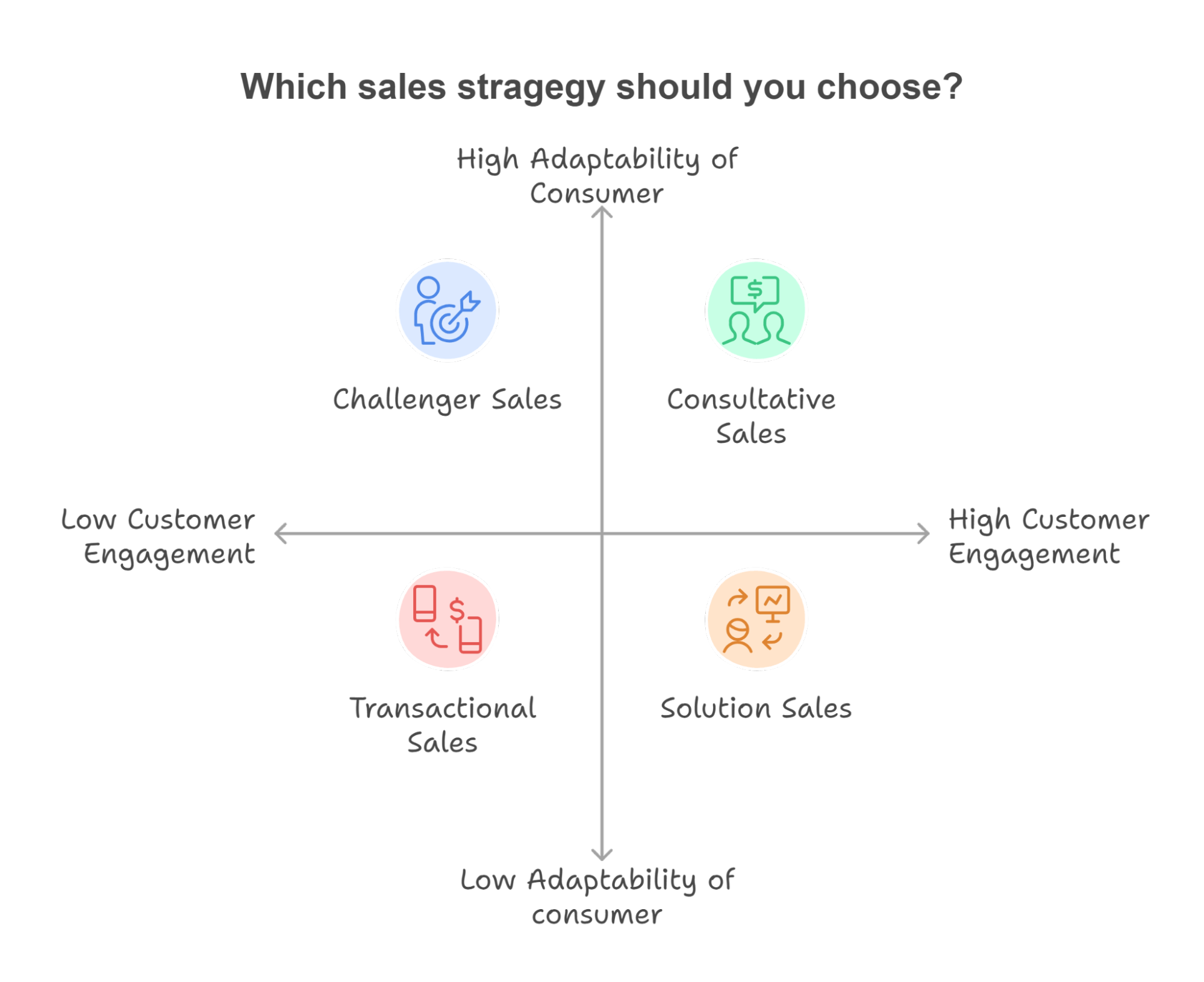
No matter the industry, sales are the lifeblood of any business. The so-called profit center. A strong product or service is essential, but without the right sales strategy, even the best offerings can struggle to gain traction.
Businesses typically rely on one or more of the four most common sales strategies: Transactional, Solution, Consultative, and Challenger Sales. Each approach caters to different customer needs and market conditions.
This strategy focuses on quick, straightforward transactions with minimal customer interaction. It works best for products with short sales cycles, clear value propositions, and high demand.
✅ Best for: Retail, e-commerce, SaaS subscriptions, and fast-moving consumer goods (FMCG).
Example: An online store selling electronics at competitive prices, where customers purchase without needing extensive guidance.
Solution selling is about understanding a customer’s pain points and tailoring a solution that fits their unique challenges. It requires an in-depth consultation process and often leads to customized offerings.
✅ Best for: B2B software, IT services, financial consulting, and enterprise solutions.
Example: A cybersecurity firm assessing a company’s security vulnerabilities before recommending a tailored security package.
This method is all about building trust and long-term relationships with customers. The sales representative acts as a consultant, guiding clients toward the best decision rather than just pushing a product.
✅ Best for: Professional services, luxury goods, real estate, and high-ticket B2B sales.
Example: A real estate agent helping a buyer understand the pros and cons of various properties based on their long-term goals.
In this strategy, sales professionals challenge the customer’s current thinking, providing insights that shift their perspective and demonstrate a better way forward. It works best in complex sales environments where differentiation is key.
✅ Best for: Emerging industries, disruptive tech, and enterprise sales.
For example, Confiscore.com (my brainchild) is trying to replace the traditional review system by eliminating cognitive biases. It’s a disruptive tech.
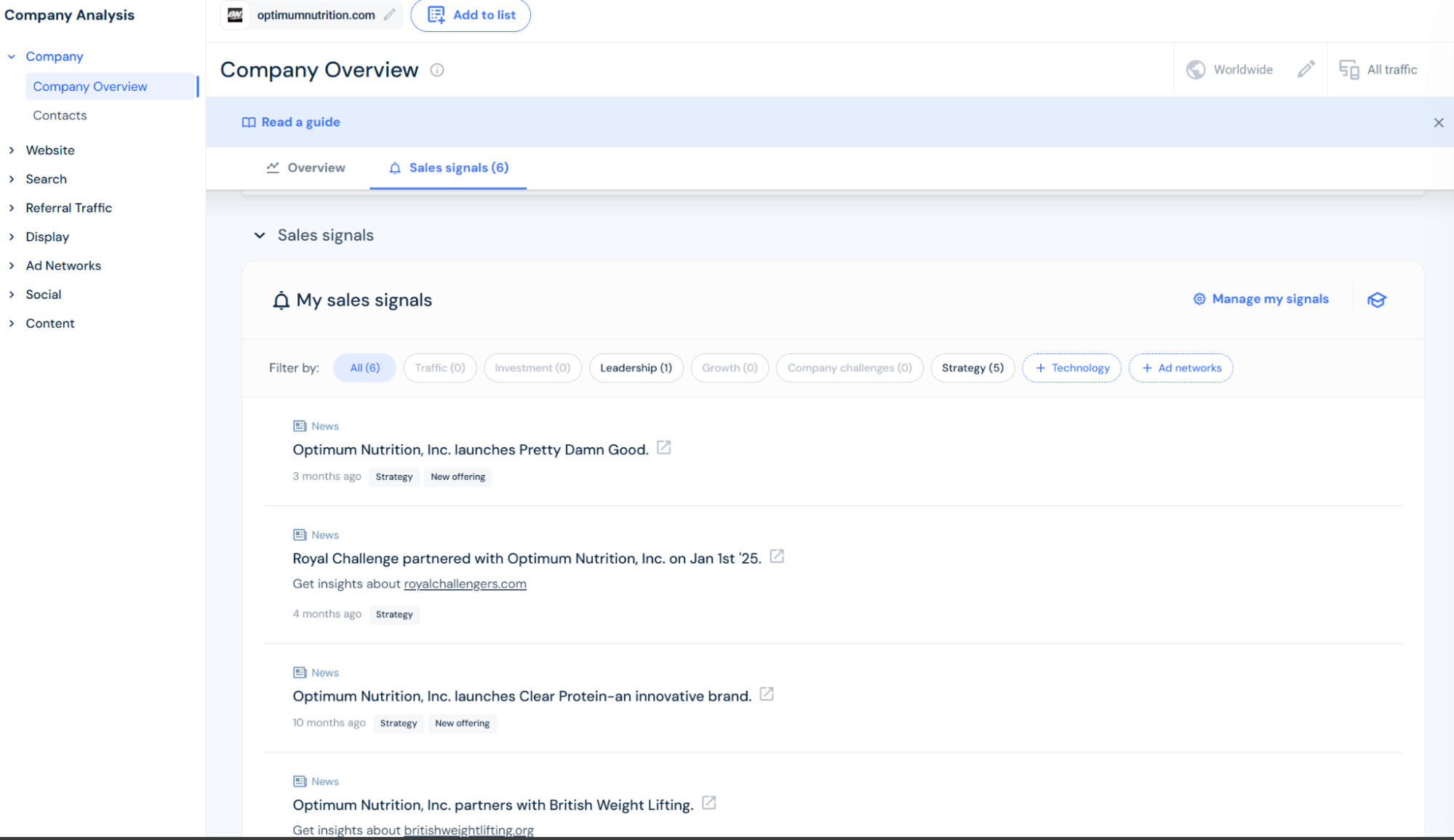
Pro Tip: Use Similarweb’s sales signals feature to see exactly what your competitor is doing to increase their sales. When you know where the trends are heading, you can make knowledgeable decisions as to what cocktail of sales strategies would work best for you.
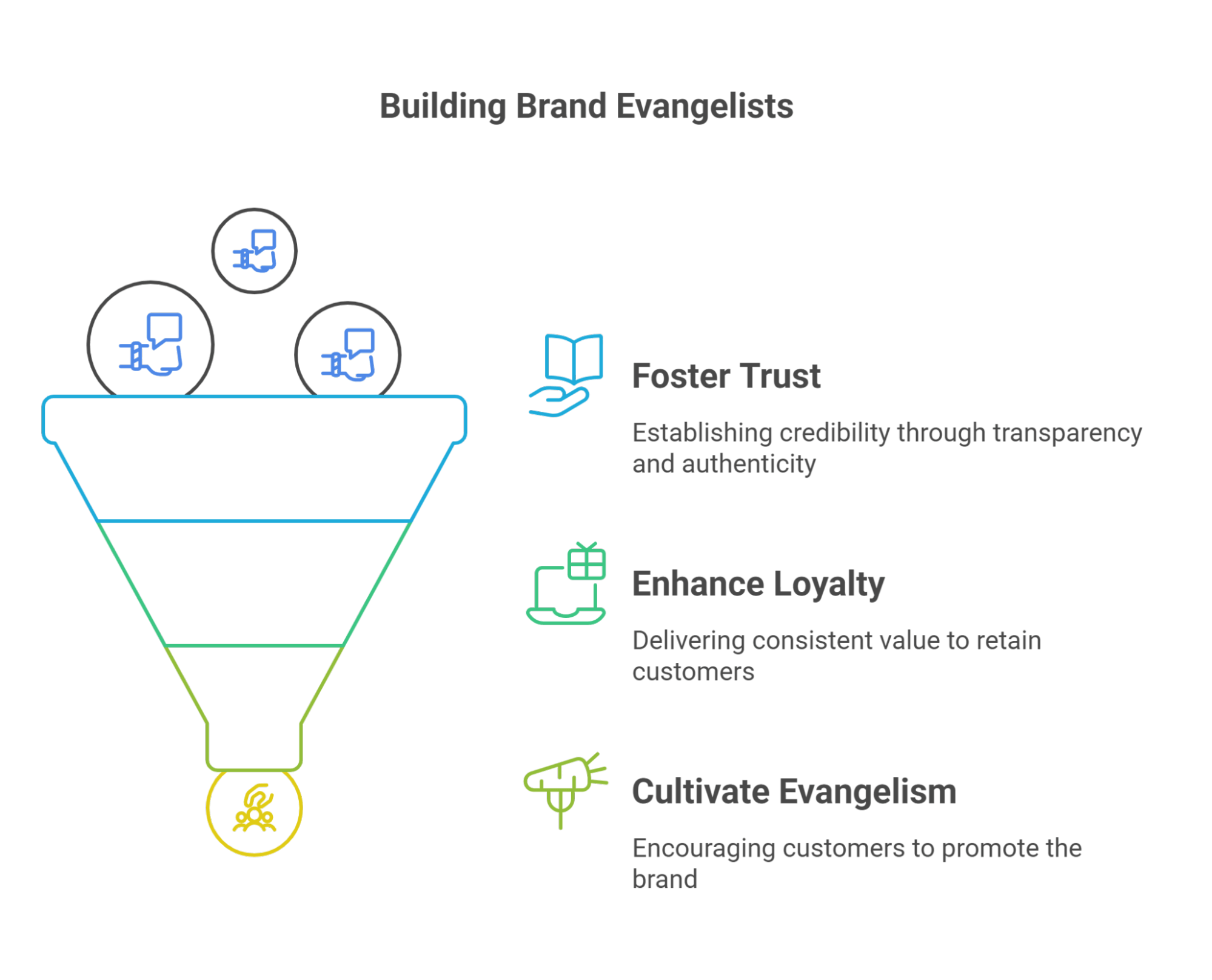
A successful GTM strategy is not just about tactics, it’s about people. By understanding both team psychology and customer behavior, businesses in any industry can create a plan that is not only data-driven but also human-centric, leading to stronger execution, deeper customer relationships, and long-term business growth.
A motivated and well-aligned team is essential for GTM execution. Understanding team psychology helps in:
Lastly, Building Trust and Long-Term Relationships. Trust and loyalty are built over time by understanding your customers’ pain points, needs, and decision-making patterns. This allows businesses to:
This functional tip comes from Brian Balfour (VP of Growth Hubspot) and it essentially says that one must solve a real, painful problem. Customers do not think twice before paying for solutions that address urgent needs versus ‘nice-to-haves’
This is a tip from Alexis Ohanian (Co-founder of Reddit). Start talking to your prospects and audience while engaging them on social media, newsletters, and even closed groups before refining your product.
Hiten Shah (Co-founder of Crazy Egg) asks all business owners never to assume that one channel works. Successful GTM strategies come from testing multiple acquisition methods early.
Reid Hoffman (Co-founder of LinkedIn) has a quote that I have seen repeated with many other Founders, and it goes like this…
“If you’re not embarrassed by the first version of your product, you’ve launched too late.”
You have to have a feedback system in place that allows your users to speak honestly and candidly so you can constantly improve your product and the narrative around it, which will help you iterate your GTM message and offer fast.
Or Offer (Founder of Similarweb) has always emphasized the importance of actionable insights when crafting a killer GTM strategy, and hence built a product around it.
This approach is all about people. In a sales-led strategy, your sales team takes center stage. They build relationships, give demos, answer tough questions, and guide potential customers through a personalized buying journey.
It works best for businesses selling high-value or complex products, where trust and customization matter. Think enterprise software, financial services, or anything where deals take weeks or months to close.
The personal touch here is key. Your reps aren’t just selling, they’re consultants, advisors, and relationship builders.
Marketing-led GTM is all about attracting and nurturing leads through content, campaigns, and paid efforts. It’s a great fit for digital-first businesses looking to scale fast.
You might run Google Ads, post thought leadership on LinkedIn, or build a library of blog content, all with the goal of bringing people into your funnel. Then, email nurturing, retargeting, or even live webinars move them closer to conversion.
It’s perfect for products with shorter sales cycles or companies that want to build brand awareness while generating demand.
This one’s becoming more popular every year, especially in tech. A product-led strategy means your product is your primary growth engine. People sign up, try it out, and (if all goes well) fall in love with it.
It’s low-friction and scalable, often using freemium models or free trials to get people in the door. And it works beautifully for tools that are intuitive, deliver value fast, and don’t require a ton of hand-holding.
Think of products like Slack, Notion, or Canva. You don’t need a salesperson to explain them, you just need a great first experience.
Here it is – The template you’ve been waiting for: Just make a copy of the template and it’s yours to use. We added all the needed resources for you to use, execute, and track your success, and now it’s all up to you!
Writing this article has been quite a journey for me. Because this time, I have put my money where my mouth is. From the launch of Confiscore.com to getting my first customer, I have implemented all that I have learned and constantly tweaked my drafts to give you the best and most concise article.
Finally, I have constantly mentioned that there is no one-size-fits-all approach here, and you know your product best, so lead with that. Data never lies! Always base your decisions on the data and information that is irrefutable.
What is the difference between a marketing strategy, a marketing plan, and a go-to-market strategy?
In short:
Marketing strategy = big picture
Marketing plan = roadmap
GTM = launch playbook
How long does it take to implement a GTM strategy?
It really depends on the complexity of your product and market. For simpler offerings, a GTM strategy might take 4 to 8 weeks to plan and roll out. For enterprise or global products, it can take 3 to 6 months (or more).
What matters most is how well you’ve validated your target audience, messaging, and channels before launch. A rushed GTM can lead to misalignment and missed revenue opportunities.
Who is responsible for a GTM strategy?
How do I measure the success of my GTM strategy?

Himaan Chatterji is a B2B SaaS content strategist and co-founder of Confiscore.com. When AFK, he is either latin dancing or cooking :)
The Top 100 Most Visited Websites in the USA (August 2026)
Similarweb Named in Forrester's Answer Engine Optimization Technologies Landscape, Q3 2026

Anthropic IPO: What Claude's Web and App Data Show
Try Similarweb Sales Intelligence today — free of charge
