


 Research Intelligence
Market Development Strategy: Definition and Examples

Thriving in today’s competitive business world requires more than just maintaining the status quo. For companies aiming to grow, a well-thought-out market development plan is essential. It drives market growth by helping businesses tap into new industries and customer segments, opening up opportunities that might otherwise be missed.
By exploring these growth avenues, businesses can stay resilient while balancing their presence in both current and emerging markets. In a crowded marketplace, a strong plan not only helps you anticipate trends but also equips you with strategies to meet evolving customer needs – paving the way for sustainable growth.
What is a market development strategy?
A market development strategy is a method for marketing an existing product or service to new markets.
But it’s more than just expanding geographically – it’s a comprehensive process that includes in-depth research, strategic planning, and a clear understanding of competitors and potential customers.
This approach helps companies identify market gaps and successfully enter new verticals. By launching proven offerings in unfamiliar environments, businesses can minimize risks and confidently establish a presence in new territories.
The importance of having a market development strategy
For companies focused on growth, having a solid market development strategy is key to expanding online reach. This approach offers plenty of benefits that help ensure long-term success.
Here’s how:
1. Access to new audiences
Expanding into new markets introduces your business to fresh customer bases, boosting customer acquisition and revenue. It also helps avoid market saturation and shields your business from industry shifts. Reaching across regions promotes steady growth and provides a competitive edge—even in tough economic times or fast-changing consumer landscapes.
2. Improving brand loyalty
Expanding into new regions boosts your brand’s visibility and presence, which naturally leads to stronger customer loyalty. Greater exposure opens the door to building deeper, long-term relationships with your customers. It also acts as a safeguard against losing relevance or reputation during uncertain times or market downturns, helping your brand stay connected and trusted.
3. Innovation and product adaptation
Expanding into new markets tends to require innovation and product modification for varied consumer demands. Providing services according to local tastes adds more value and appeal. This focus on multiple demands not only satisfies customers but also marks businesses as innovative and dynamic in their industries.
4. Risk diversification
Diversification into new markets decreases the reliance on a single region and increases resilience to economic downturns, market saturation, and industry-specific issues. Equal growth across multiple regions ensures better revenue stability and reduces exposure to market volatility. By distributing investments, organizations can protect themselves from disruptions and sustain optimal performance.
5. Building resilience
A comprehensive market development plan helps companies be able to react quickly to changing consumer trends and habits. Such resilience enables steady operations even in the face of external threats. Flexibility in strategic processes can help companies keep pace, adapt and thrive in a changing global economy.
How to create a market development strategy
A successful market development plan requires both strategic planning and effective execution. Here’s how to craft one:
Research
Research is the foundation of a successful market expansion strategy. With Similarweb’s Website Analysis, companies can compare markets and identify profitable prospects. This phase requires thorough market research and detailed consumer profiles. The understanding of consumer demand and market trends ensures that tactics will appeal to intended audiences.
Identifying your target audience
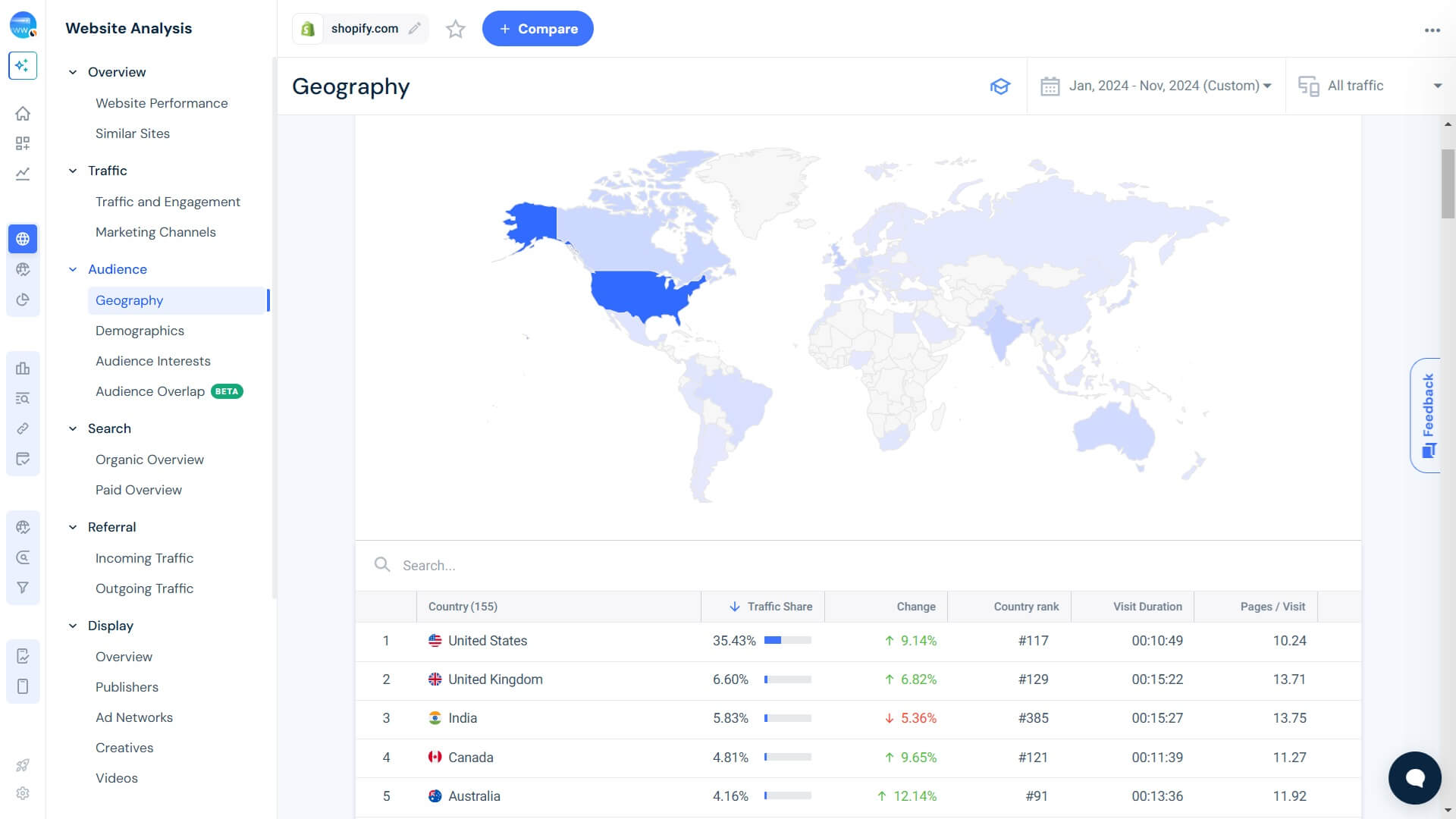
The most important thing to do when entering a new market is to figure out who the customers will be. Companies can take advantage of Similarweb’s Website Analysis to know what competitors are doing. By using country filters, companies can target the right markets. These tools allow companies to determine market saturation, consumer preferences, and more, and then make the right decisions about their strategies.
Market analysis
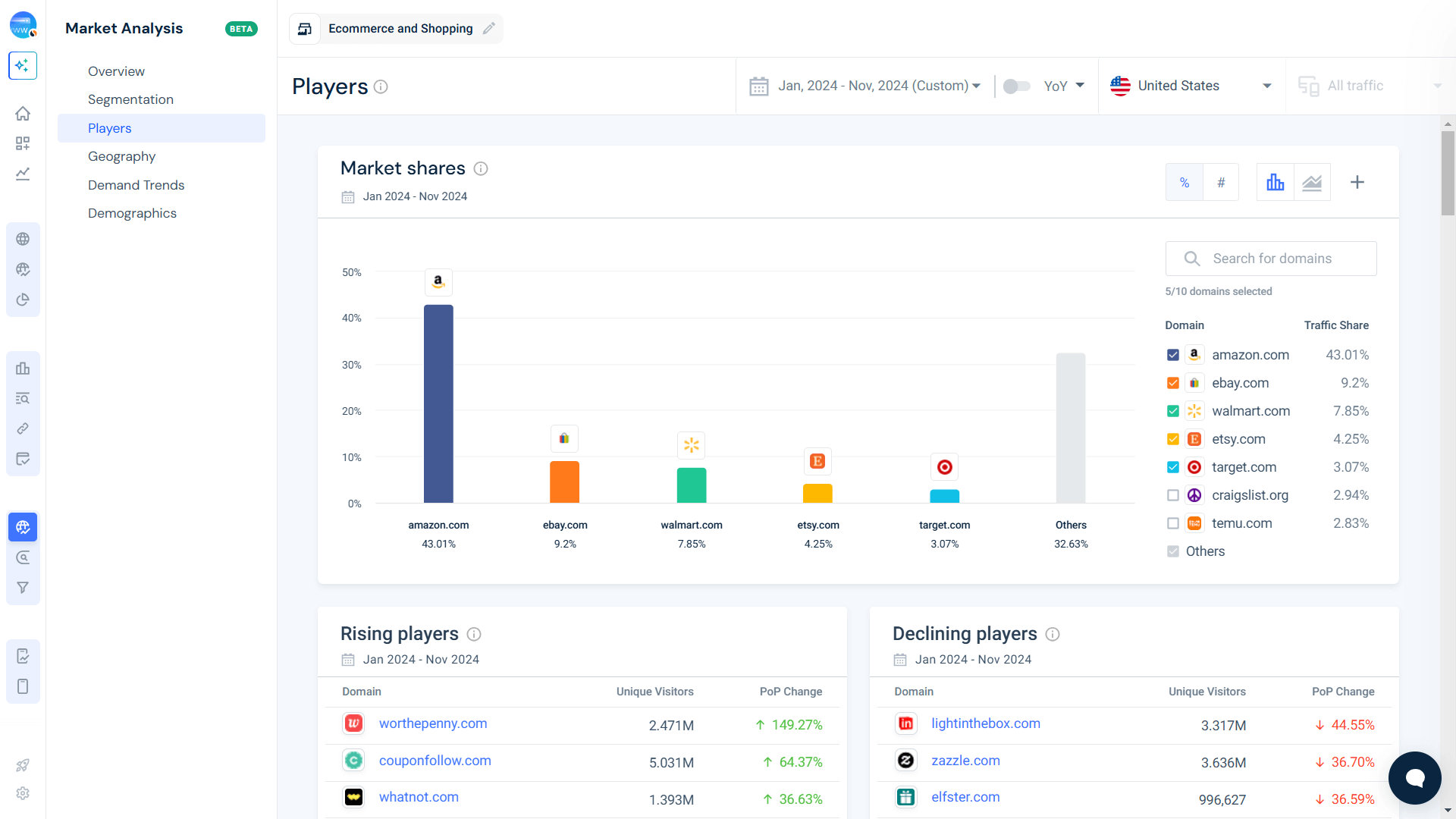
For market opportunities and competitiveness analysis, a thorough market analysis is required. Use Similarweb’s Market Research tool to collect data, including the market size, market share, and competitor strength. Such metrics assist companies to make informed choices. Also, knowing demand patterns and demographics helps formulate strategies based on market opportunities.
Market research surveys
Market research surveys can provide insights into what prospective clients think and feel. Well-crafted questions will often uncover the hard data to justify a targeted market strategy. Through surveys, companies can make sure they have something that corresponds to real-life users’ requirements and deliver on consumer needs.
Set your growth objectives
Straightforward objectives are essential to a successful plan. Set up priority areas such as revenue increases, market share expansion, and brand awareness. Defining goals allows for regular audits and adjustments so that plans stay in line with the company’s mission and steer consistent growth.
Allocate a budget
Long-term strategy success requires financial planning. Having the right amount of resources at all stages (research, marketing, logistics) empowers the strategy. By aligning the budget with growth strategies, managers can allocate assets properly, figuring out what works best for expansion.
Create a marketing strategy
Develop a marketing plan that incorporates consumer research, competitor research, and marketing channels. Always make sure that you’re catering to the right target audience while maintaining brand values. This creates meaningful relationships with new markets and ultimately boosts market positioning.
Launch
Timing is at the heart of a successful market launch. Capturing attention with well-planned marketing and distribution from the outset assures customer interest. Precision and attention to detail are key to keeping first impressions long-lasting, which leads to better brand recognition.
Measure and analyze the results
Regular performance evaluations guide improvements. Data analytics provides insights into the effectiveness of the strategy. By performing periodic reviews, businesses can continue to modify their plans for market development and make sure that objectives are delivered accurately. Good analysis creates the foundation for smart market choices.
Market development examples
Several major brands have successfully leveraged market development strategies that offer interesting takeaways to learn from:
Coca-Cola
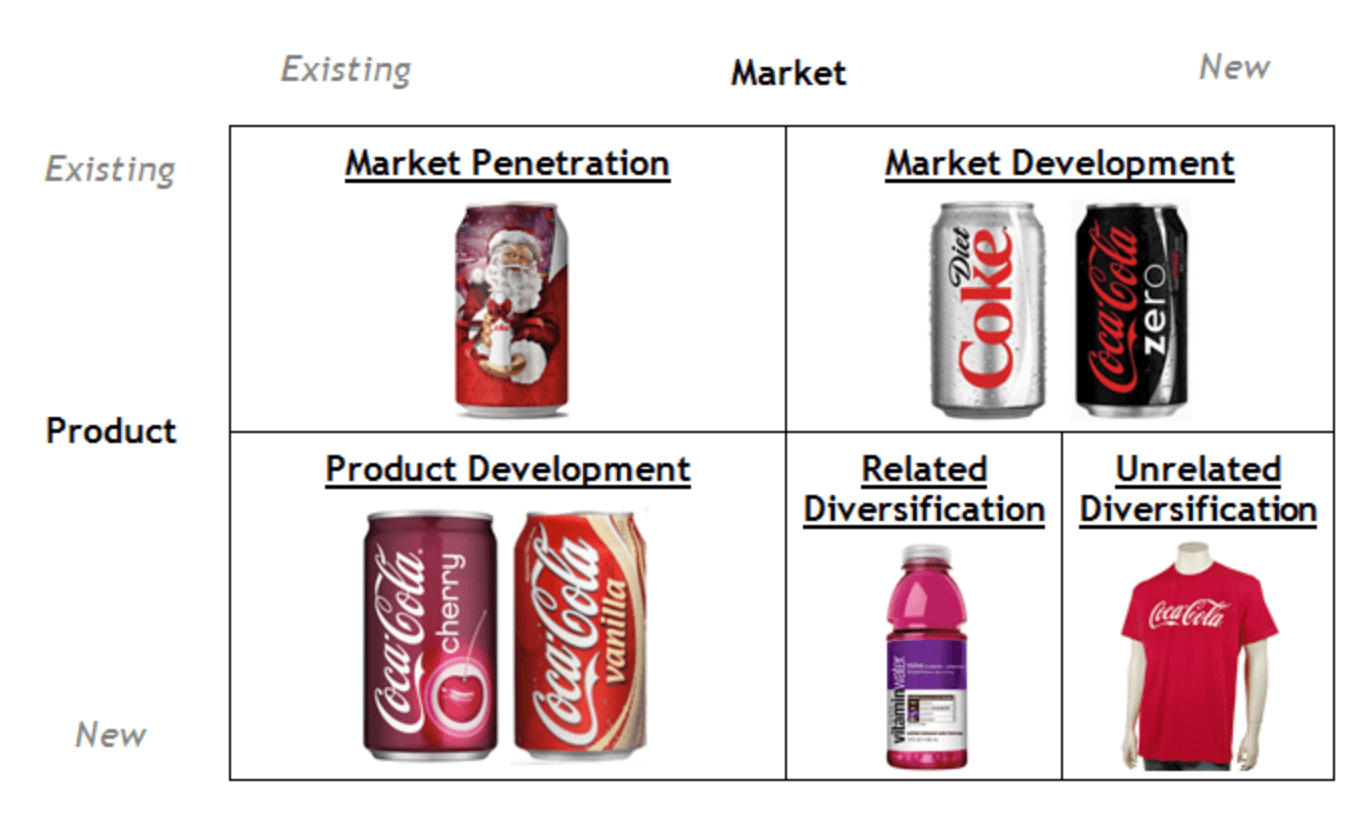
Coca-Cola’s market development strategy for Coke Zero in 2005 was a major success. While Diet Coke primarily appealed to women, many young men avoided it due to its branding. Coke Zero filled that gap, offering a low-calorie alternative to Coca-Cola’s classic taste, specifically targeting young men. The sleek black can and bold, provocative advertising were designed to resonate with this demographic.
By tapping into an underserved audience, Coca-Cola not only expanded its customer base but also demonstrated the power of strategic product positioning in reinvigorating brand image.
Apple
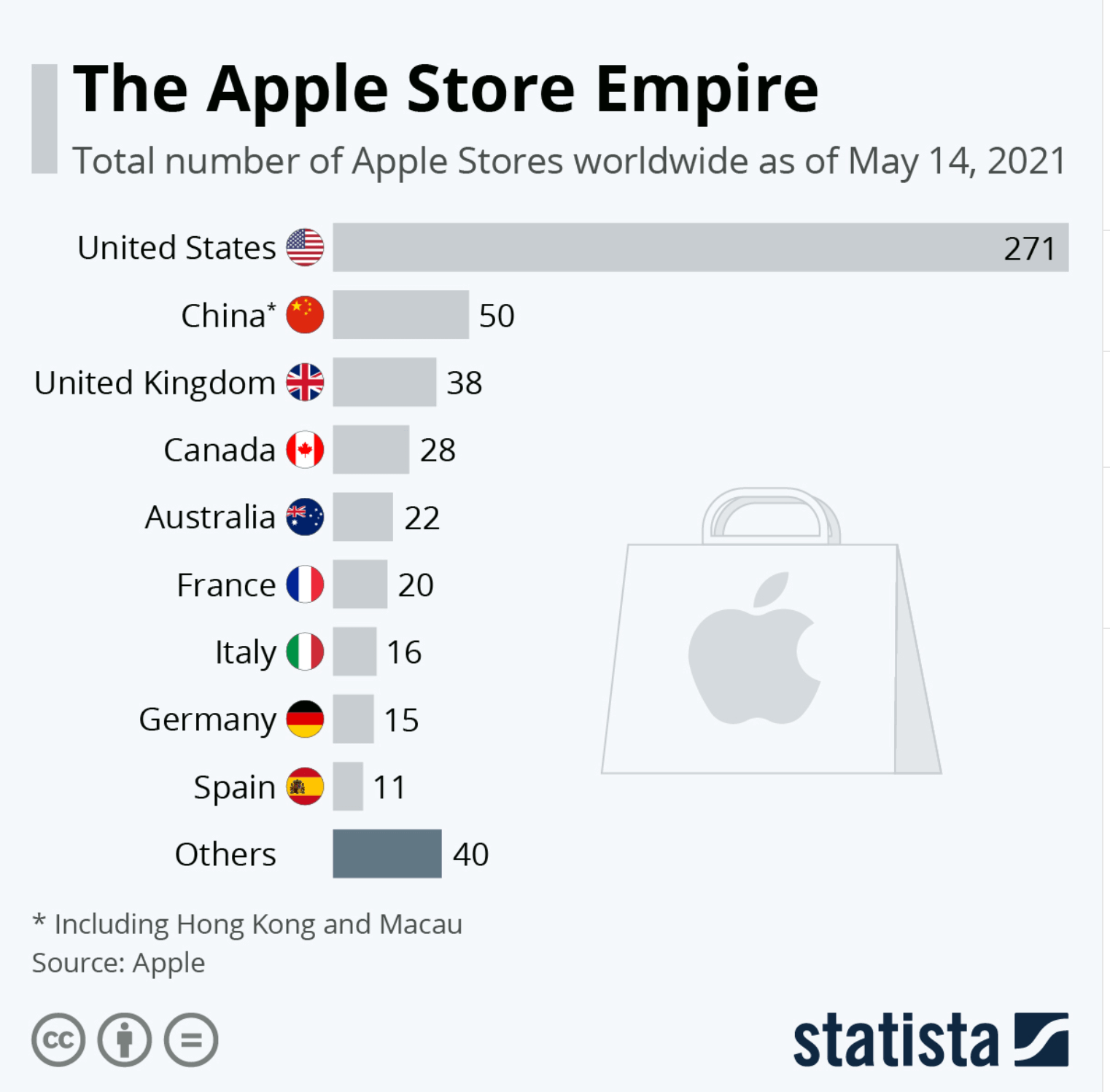
Apple’s expansion into untapped markets over the past 20 years underscores its mastery of market development. By finding new vendors in new markets and establishing authorized sellers in regions where it had little presence, Apple significantly expanded its reach.
This strategy leveraged Apple’s technological strengths to enter new markets and tailor products to diverse customer segments. It aligns with Apple’s differentiation strategy, which drives global adoption by expanding into new regions while maintaining a premium, high-value positioning. Through strategic market development and a diverse product lineup, Apple continues to strengthen its competitive edge and sustain long-term growth.
Source: Statista
An important ingredient to sustained business success
Whether you’re assessing market demand, analyzing competitors, or identifying the most profitable regions for growth, Similarweb provides the insights needed to confidently penetrate new markets and stay ahead of the competition.
A well-defined market development strategy is essential for long-term growth, enabling your business to identify new opportunities, expand its reach, break into new markets, and stay ahead of the competition.
Similarweb’s market intelligence tools equip you with real-time data on consumer behavior, competitive positioning, and emerging trends, helping you uncover untapped markets and refine your expansion strategy.
Whether you’re evaluating market demand, analyzing competitors, or pinpointing the most profitable regions for growth, Similarweb provides the insights needed to confidently enter new markets and drive sustainable success.
FAQs
How do local regulations affect market development?
By defining rules of market entry and business conduct, local regulations can have a significant impact on market development. Enterprises need to understand these guidelines to stay compliant and integrated. By complying with local regulations, a company also builds trust with stakeholders, prevents legal issues, and positions itself as an ethical market player, allowing the business to run more smoothly.
How is customer feedback relevant to market strategy?
Customer feedback is instrumental in optimizing a marketing strategy by providing feedback to improve products and marketing strategies to better suit their customers. This information also assists companies in identifying the pain points, shifting consumer tastes, and strengthening relationships with their customers, so their offerings can stay relevant and relevant in an ever-changing market.
What’s the importance of pilot tests in new markets?
You use the pilot tests to validate the market fit and acceptance of a product in a new space and that information is very valuable for strategic decision making before scale launches. Such tests keep risk to a minimum, help make data-driven decisions, and reveal local preferences to provide a customized solution with as much probability of success in the market as possible.
What impact do cultural differences have on market entry?
Since culture affects customer expectations and product acceptance, businesses must adjust their approach based on local cultural norms and values. Respect for cultural sensitivities builds trust, and brand recognition, and ensures that products or services are relevant to the intended consumers.
Can digital tools aid in market strategy formulation?
Digital tools can reveal a wealth of consumer insights and market trends, to assist organizations develop a strategy that appeals to their customers and discovering growth opportunities. This is where Similarweb excels. It’s a platform that streamlines data analysis, enables predictive modeling, and supports real-time decision-making.

Related Posts




How to Do A Competitive Analysis: Complete Guide & Free Templates



Track your digital metrics and grow market share
Contact us to set up a call with a market research specialist