






The Top 100 Most Visited Websites in the USA (August 2026)
by Shai Belinsky10 Min.
Sep 29, 2026
 Marketing Intelligence
Imagine an engine. See the cylinders firing off? The oil greasing the cogs? We think of the engine as one unified machine when in reality it’s made of many moving parts.
It’s the same for how you conceptualize search. Like an engine, search is composed of many parts including:
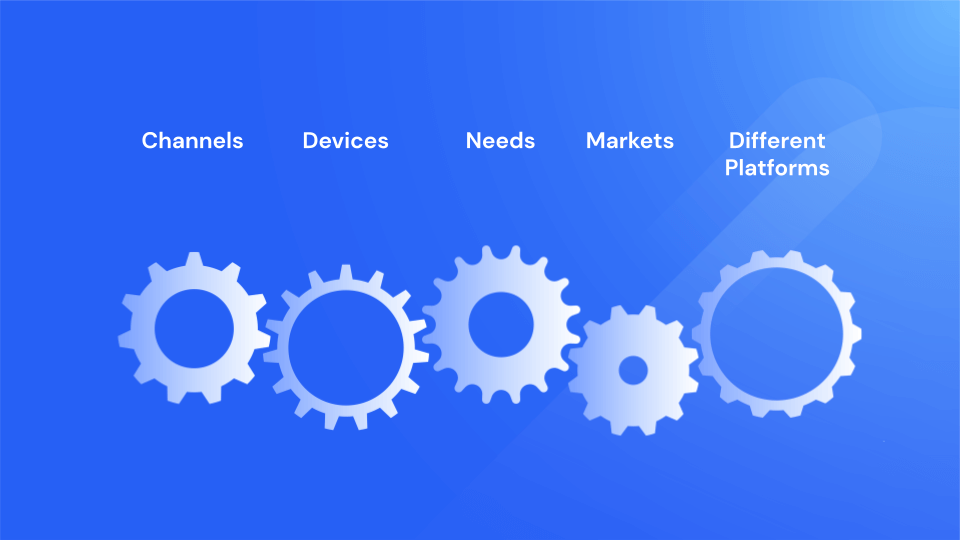
When all these parts work together to drive organic traffic, they create integrated SEO. Also called holistic SEO, this approach ensures your overall marketing strategy is working together and ultimately helps drive more traffic to your site.
The first step to incorporating integrated SEO into your content is to first understand the basics of search and search engines.
Intent. The most important overlap between all search engines is search intent. Every time you run a query on a search engine, you’re looking to achieve something. Can you guess what that something is? Find relevant information.
The best way to effectively craft a keyword strategy on multiple search engines is to ensure your target keywords match your audience’s search intent.
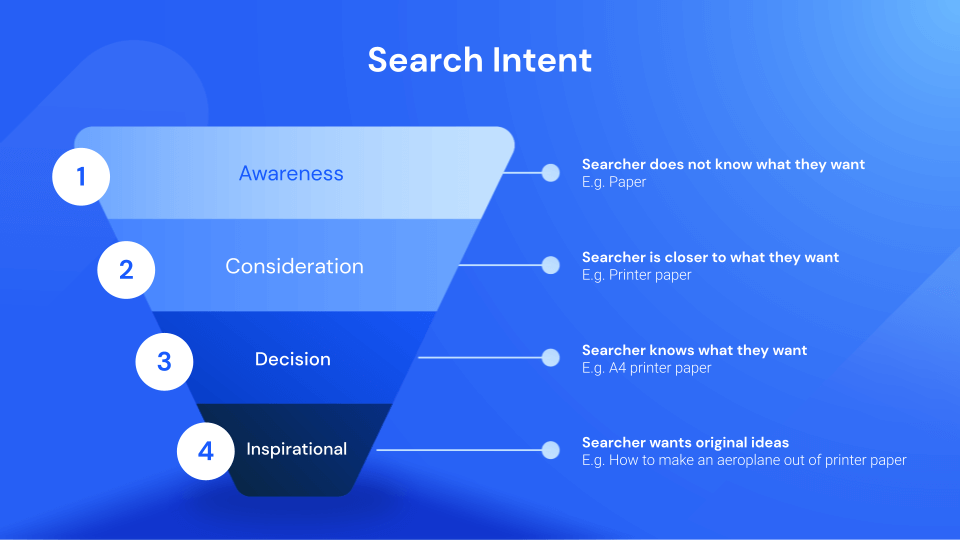
No two search engines are alike, and many serve different purposes, so the most common search intents differ for each.
So now that you know the search intent, how do you apply that to integrated SEO?
It’s simple. You align your target keywords with your audience’s search intent. Doing this is critical because it allows search engines to understand and optimize for the keywords that match the searcher’s needs. The aim of keyword research is to get the right searcher into your website. We call this keyword intent.
There are three main types of keyword intent:
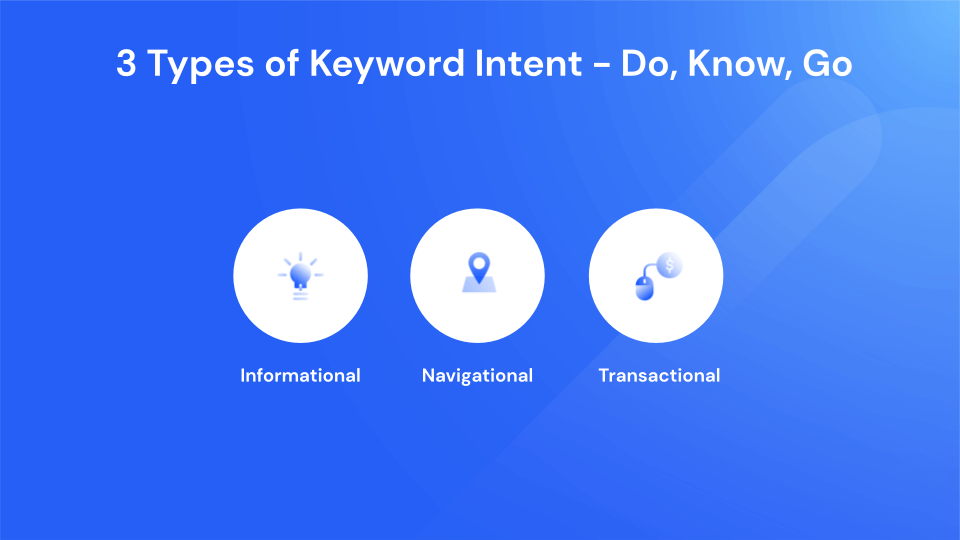
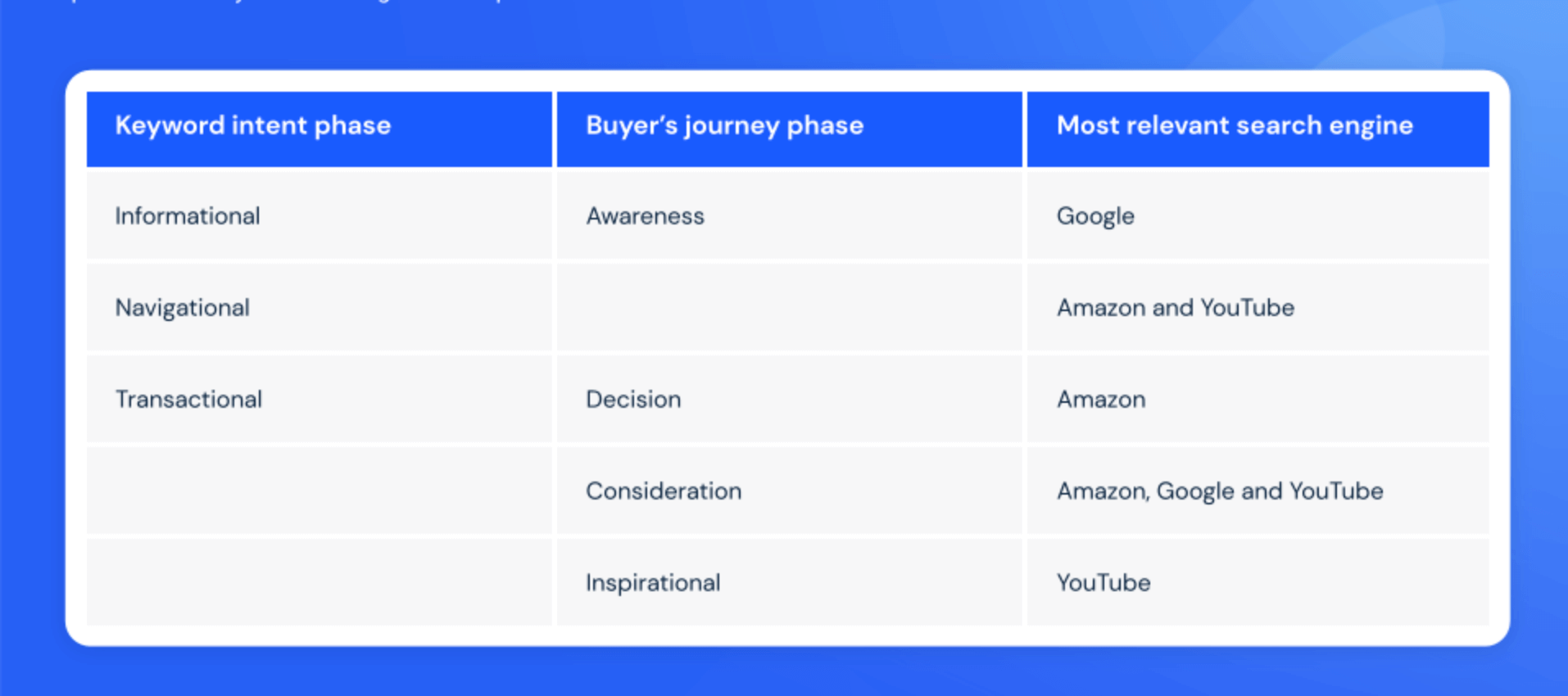
The buyer’s journey gives you a broad view of relevant keywords, while keyword intent focuses on the potential the keyword has to generate a purchase.
Zero click is a hugely important metric because it helps you determine the quality of your keywords. A zero-click keyword means that the keyword gets no clicks from either SEO and/or PPC. In these cases, it’s not worth prioritizing these keywords in your holistic SEO strategy because they won’t drive traffic to your website. More clicks mean more traffic.
Let’s take a look at how clicks relate to intent.
In SEO, E-E-A-T stands for experience, expertise, authoritativeness, and trustworthiness. The E-E-A-T principle helps determine the quality of a website’s content. It does this by combining a search engine’s standard algorithm with feedback from human evaluators to further help the algorithm identify quality content more effectively. Quality is somewhat subjective, but it does mean the content has to exert the three cornerstones of E-E-A-T.
E-E-A-T content is critical for all websites, but most important on YMYL (your money, your life) websites. YMYL are websites that produce content that can impact a person’s future happiness, health, financial stability, or safety. Examples are financial assistance or medical informational websites.
Like keyword intent, content connects all three search engines of Amazon, Google, and YouTube, which is why E-E-A-T matters when creating an integrated search strategy.
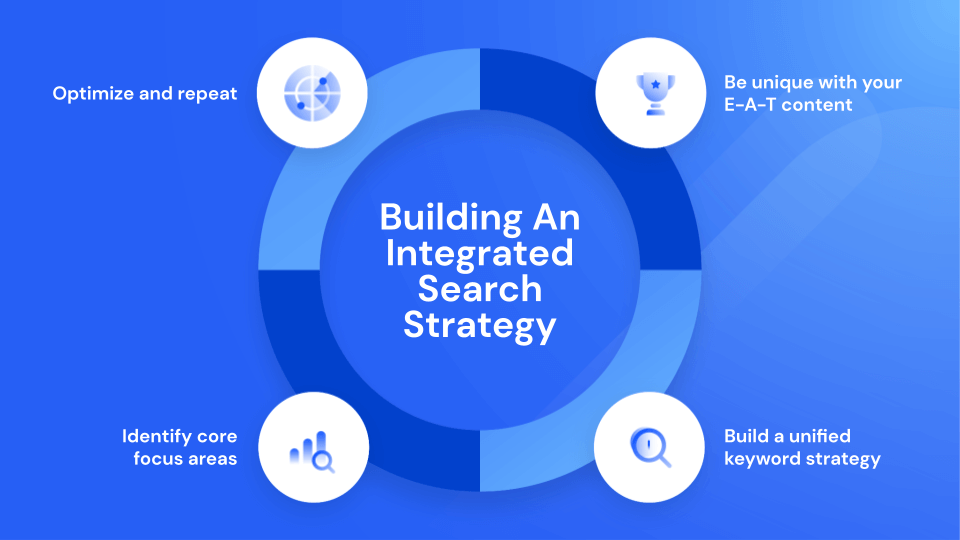
So what’s the secret to a solid search term? Here are three of my favorite tools to help you determine this:.
Now that you know the basics, you probably have a million questions about how you can build an integrated search strategy. Check out our webinar, Building an Integrated Search Strategy, with SEO guru Lily Ray to get all the juicy details.

Solution Business Manager, Similarweb
Gerald, with 10+ years in SEO for brands like Nestlé and Shell, drives Similarweb's SEO strategy and is a digital enthusiast.
The Top 100 Most Visited Websites in the USA (August 2026)
Similarweb Named in Forrester's Answer Engine Optimization Technologies Landscape, Q3 2026
Anthropic IPO: What Claude's Web and App Data Show
Give it a try or talk to our marketing team - it’s free!
