





The Top 100 Most Visited Websites in the USA (August 2026)
by Shai Belinsky10 Min.
Sep 29, 2026
 Research Intelligence
![Benchmarking Strategy: The Secret to Success [+ Examples]](https://static-us-east-1.similarcdn.com/corporate/uploads/sites/2/2022/04/Copy-of-SW-Blog-Cover-Image-Rebrand-26.png)
Is it that magical time of year again? You know, the time when organizations across the globe meet up to go over their strategic planning?
They may review their previous objectives, see how accurate they were, and plan for the future, among other things. What’s at the core of their plan? Strategy. Strategic planning is essential for any company to set goals and a path for the coming years. So how does one do strategic planning, exactly? It starts with benchmarking.
Does your organization include benchmarking in strategic management? If not, you’re definitely losing out. Read on to learn more about strategic benchmarking and examples of what it can do for you.
Strategic benchmarking means comparing your strategy to other successful companies’ strategies to determine the differences and identify opportunities. Knowing what high-performing companies do can help you optimize your business strategy and identify areas where you can excel.
While there are many types of benchmarking, strategic benchmarking is one of the most important for developing a high-level understanding of the path to success. How can you start benchmarking strategies? Here are a few strategic benchmarking examples.
SWOT is a great formula to start benchmarking in business strategy. Short for Strengths, Weaknesses, Opportunities, and Threats, SWOT will give you an understanding of your own organization in comparison to the market. Seeing your strengths and weaknesses next to threats and opportunities helps you evaluate what you should be focusing on.
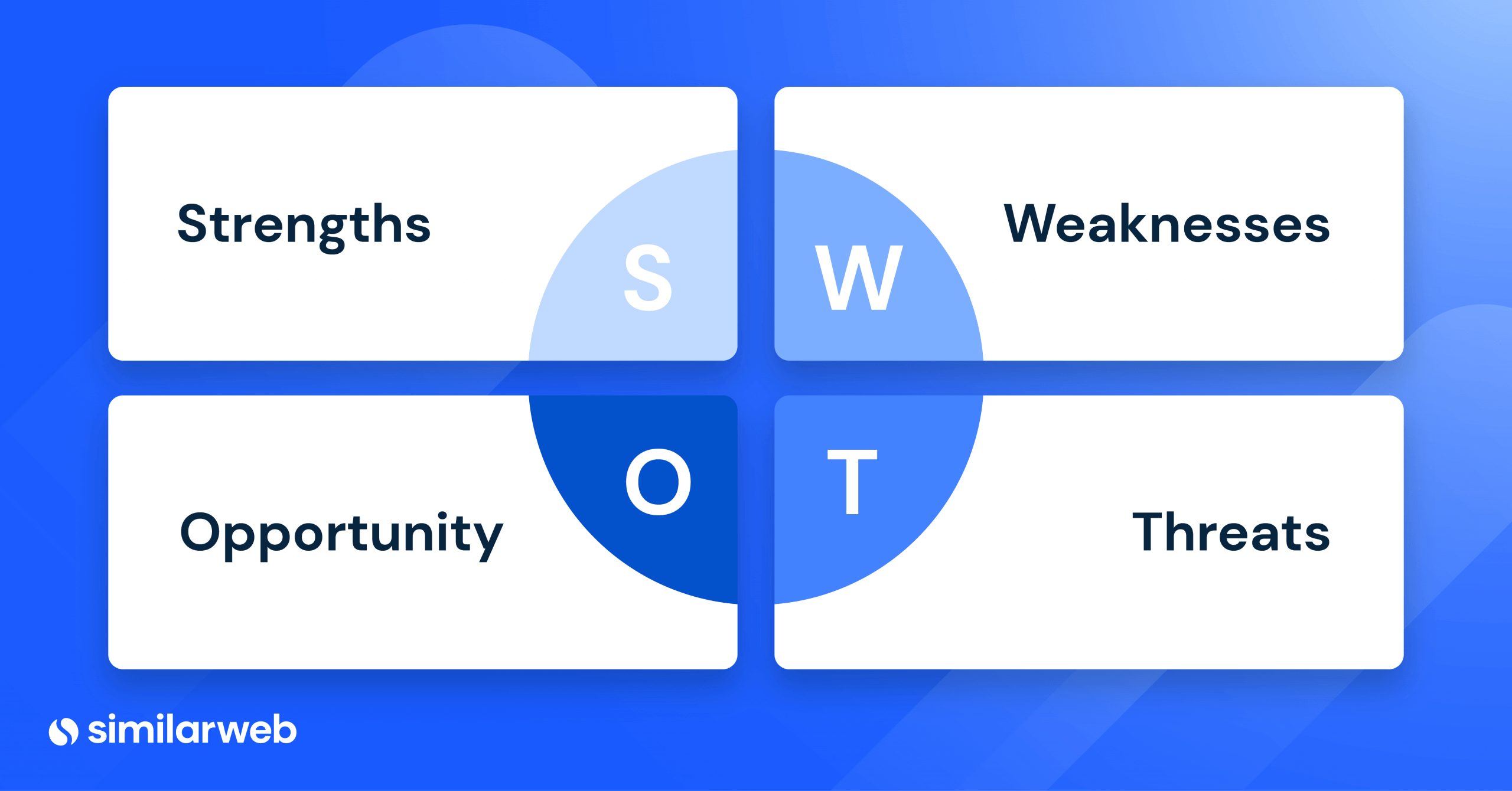
Let’s say, for example, one of your organization’s strengths is its website’s stickiness. When visitors land on your website, they’re glued to the screen, scroll all the way down to the bottom, and often visit multiple pages. Now, let’s say you see an opportunity in the market to work with influencers who could promote your brand on their social media channels or websites. This could be a great opportunity for you to bring more qualified visitors to your already sticky website. SWOT is an excellent method to benchmark your unique selling points against what’s going on in the industry.
Strategic benchmarking is all about knowing what your competitors are doing. To understand their strategies, you need to do a full competitive analysis. This includes determining which companies are your competitors, and which have strategies you want to dissect. Once you determine which have successful strategies, dig deep to map out their activities and focus.
Make sense?
This could include putting yourself through their lead funnel to see how they interact with customers at different stages. Understand their key messages, the pain points they focus on, and how they highlight their unique selling points.
Also, read customer reviews to see how customers respond to their sales funnel and what they think of the customer experience. This will give you deep insight into their lead generation and customer acquisition strategies so that you can benchmark their strategies against your own.
You can do this competitor research for many different types of strategies. For example, let’s say you want to overhaul your business’ content strategy. You would do a full competitive content analysis to determine your competitors’ content strategies for SEO, blogs, and social media. You can use this analysis as a benchmark to build your own content strategy.
Remember when we said that strategic benchmarking is all about comparison? A visual comparison can be especially useful for understanding your position in the market. Market mapping gives you a complete picture of the competitive landscape, including customer segments, product comparisons, and market forecasting.
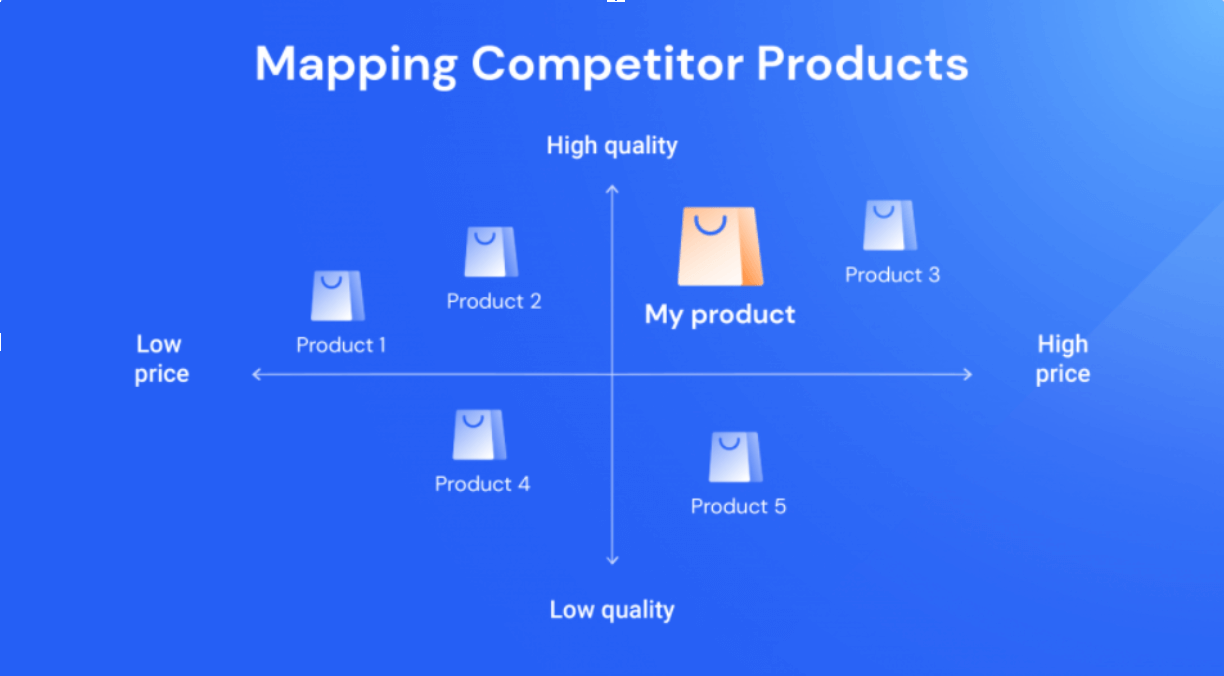
It helps you understand supply, demand, saturation, and of course, location. Just like in old-fashioned cartography, market mapping requires you to define your borders and all the major characteristics of the market. Based on the parameters you identify, you’ll be able to pinpoint competitors on the map. You might pinpoint companies, products, or different audiences to see where you stand in relation.
For example, let’s say you want to create a strategic benchmark for a new product your company is launching. You would find out the competing products and determine their positioning in terms of quality, features, and price. After placing these products on your map, you can figure out where your product will fit.
Similar to the previous types of strategic benchmarking we discussed, trendspotting is about understanding the market and how you fit in. Trendspotting differs in that it’s all about finding out what’s happening now. In all the previous methods we discussed, you might be analyzing longstanding pillars in the industry; such as accepted practices and established companies. This is great for developing a low-risk strategy. But if you want the big rewards of being a market leader, strategic benchmarking must include trendspotting.
Look to online content streaming for a good example of trendspotting. Netflix set the trend for online streaming, and companies like Amazon, Hulu, and Disney quickly followed suit. Blockbuster, on the other hand, didn’t react to the trend fast enough, and we all know what happened there.
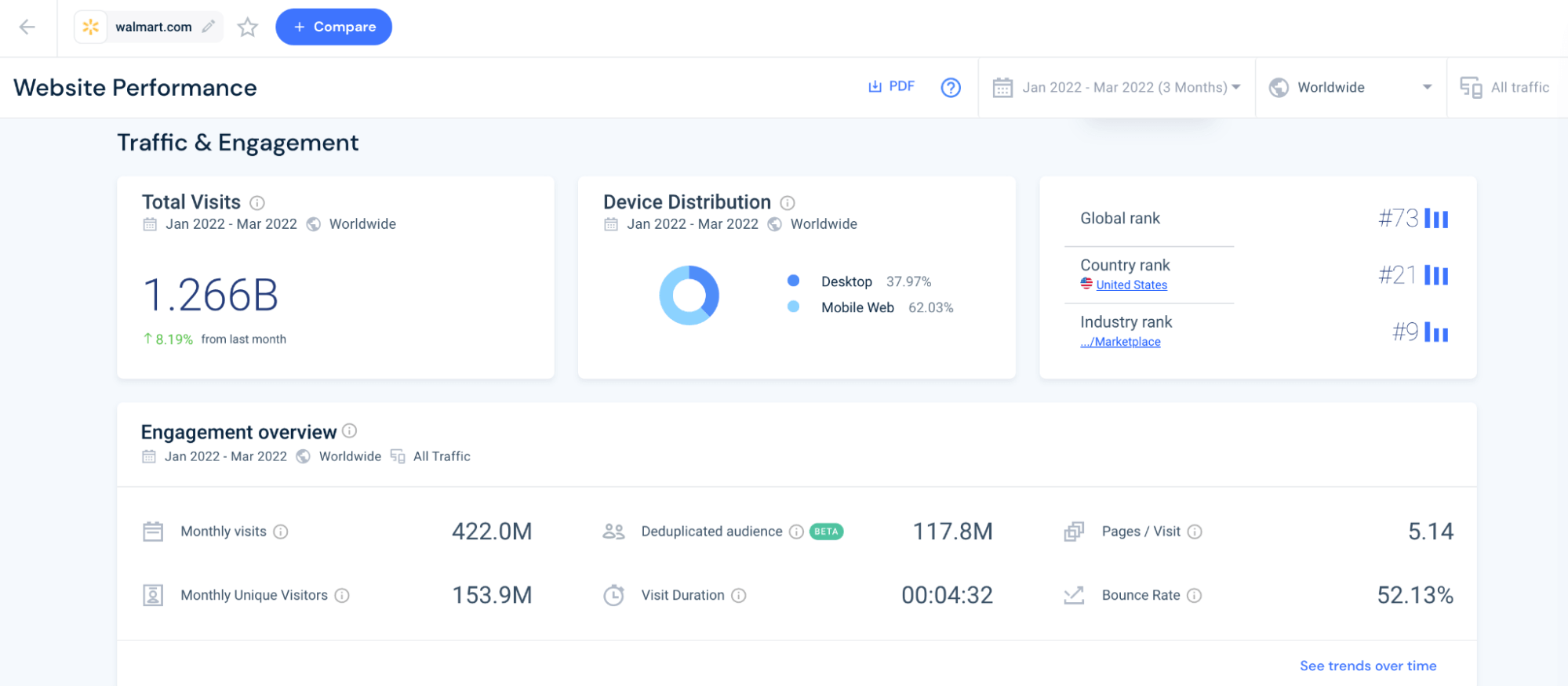
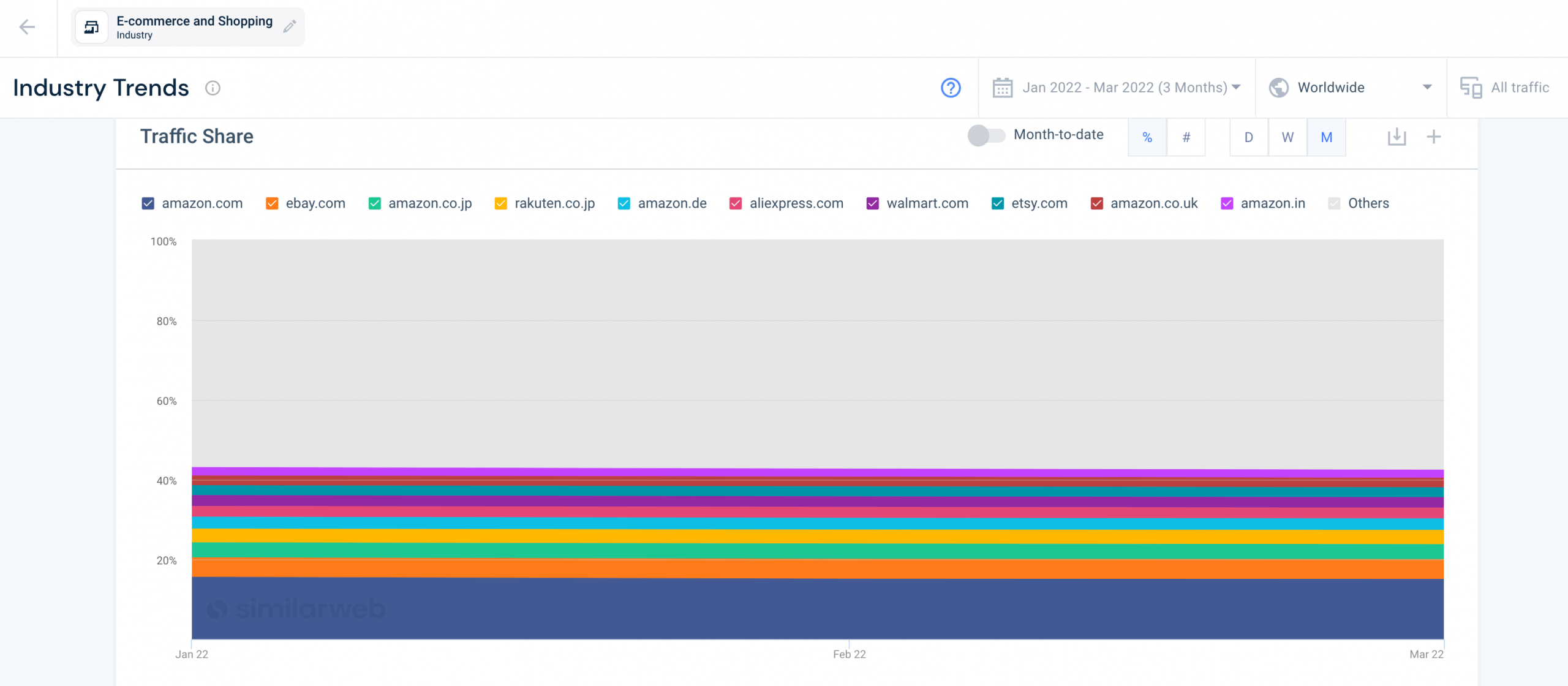
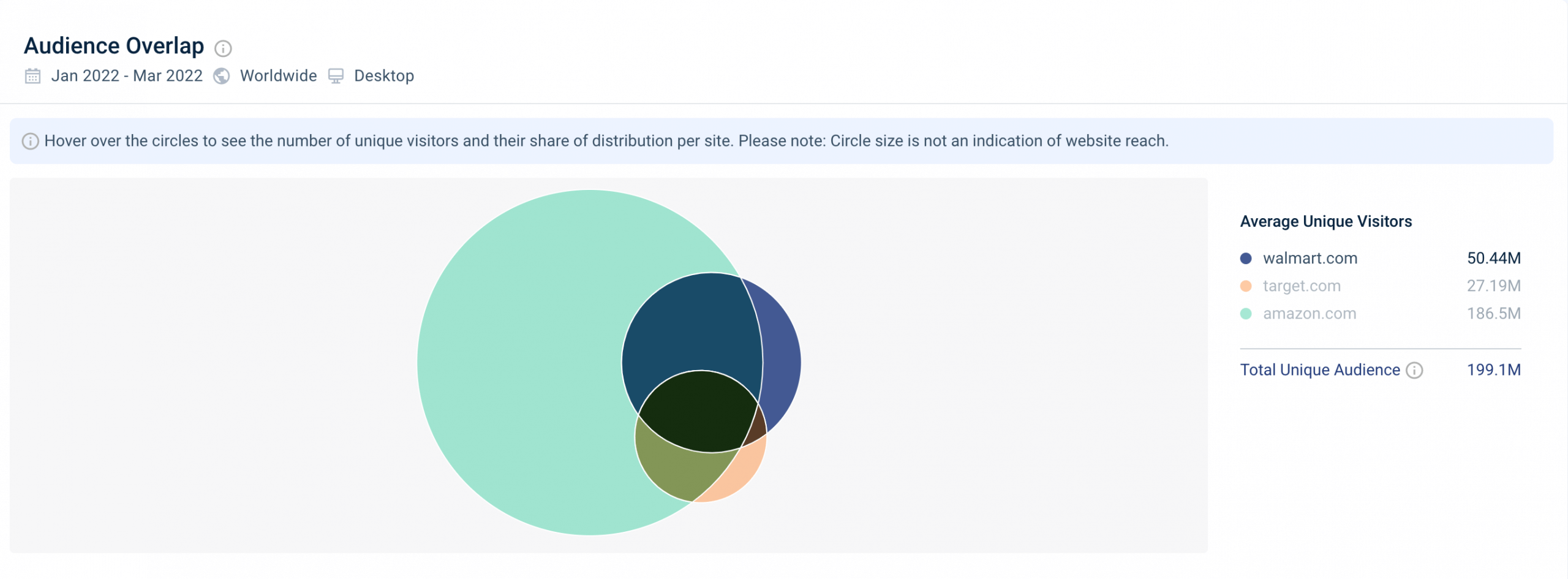
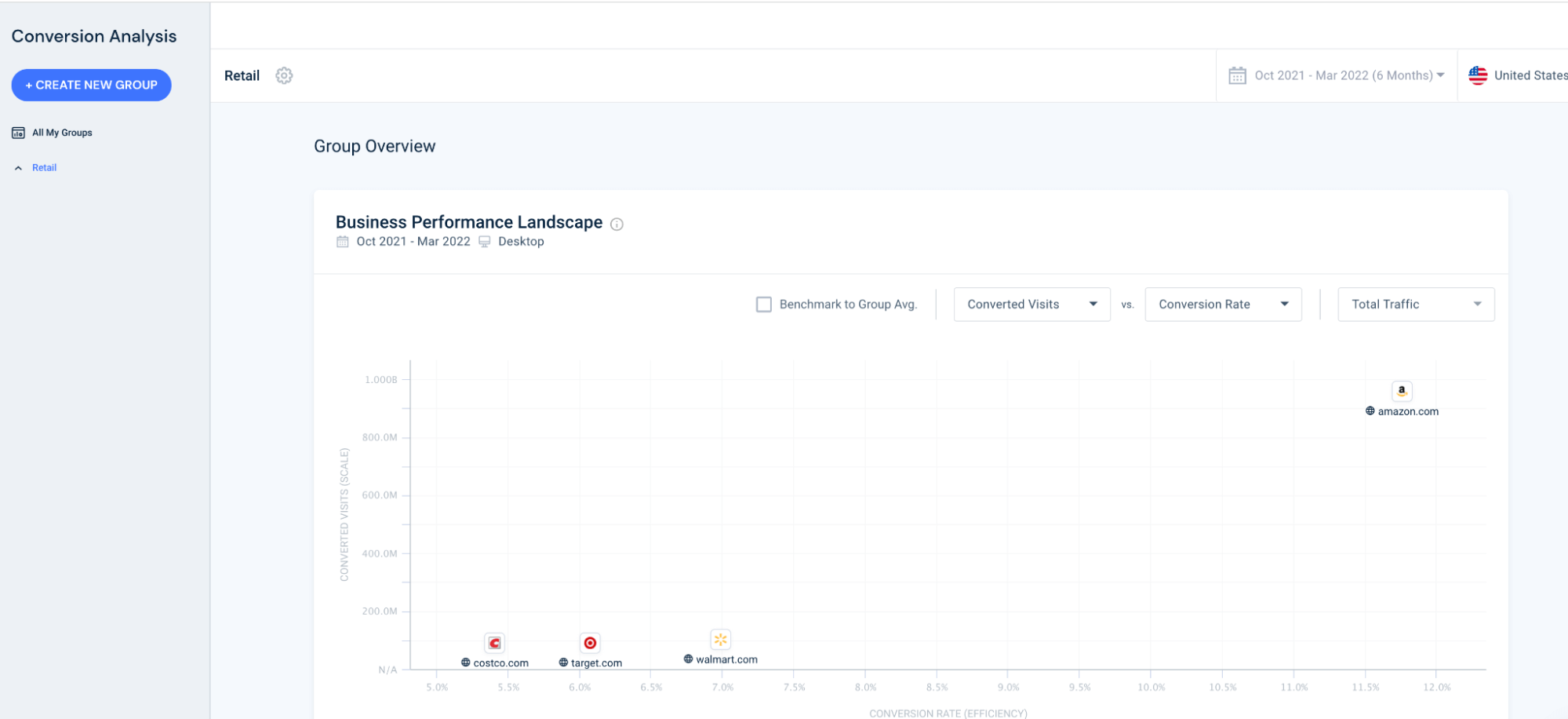
There are many ways to improve your benchmarking activities and Similarweb can help. We have several useful benchmarking tools that will ensure your strategic benchmarking process is thorough and beneficial:
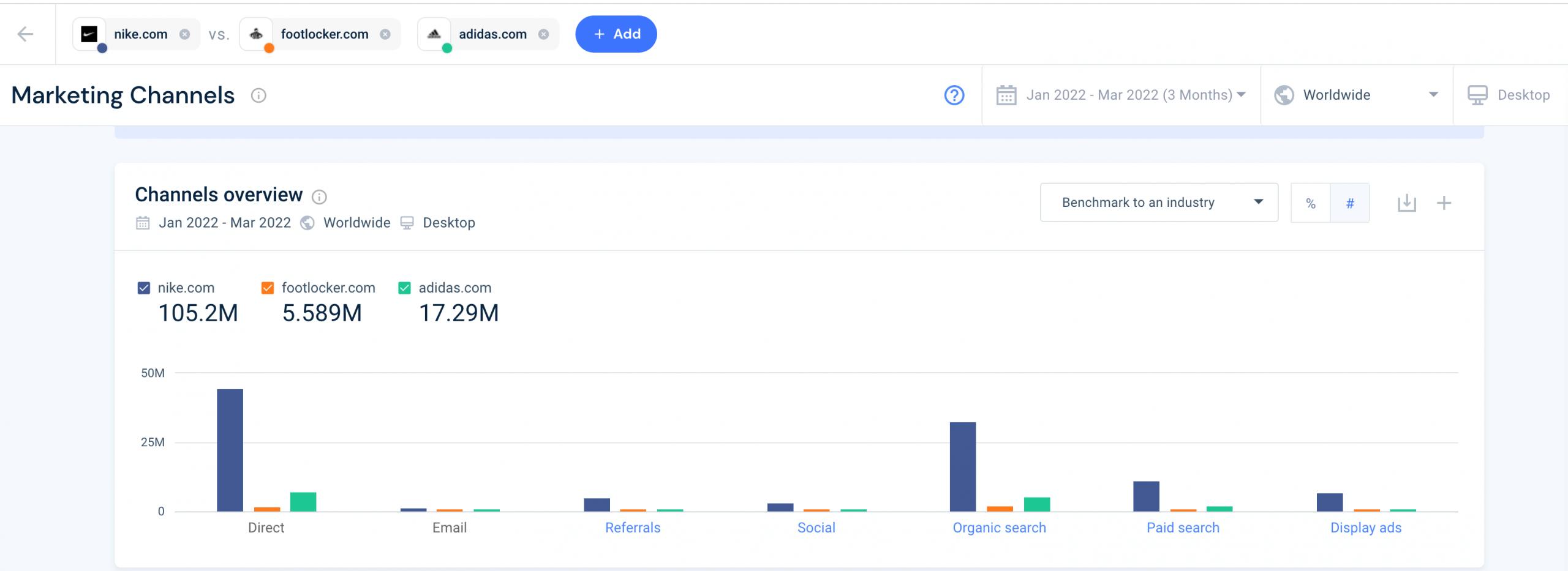
We can’t stress enough the importance of benchmarking in strategic management. Your organization sets goals, analyzes progress, and stays at the top of your industry. If you’re ready to get started, read our article about benchmarking best practices – your strategic management team will thank you.
Why Do Benchmarking in Business?
How to Do Benchmarking: Your Blueprint for Growth
Benefits of Benchmarking: Reap the Rewards of Competitive Intelligence
3 Digital Maturity Benchmarks to Achieve Long-Term Growth
What are the benefits of strategic benchmarking?
You’ll understand what your competitors are doing, compare your progress to theirs, and get inspired to try new activities and practices to boost your organization’s performance.
What are the challenges of strategic benchmarking?
It can be a challenge to analyze your competitors’ strategies, especially because most companies don’t make their strategies public. However, you can get a great idea about a company’s strategy by going through its sales funnel.
How do you use benchmarking as a strategic management tool?
Strategic management is all about building the framework for a company’s activities. To ensure the framework is realistic and to improve its possibility for success, you need benchmarking.

Sr. Marketing Intelligence Specialist
Sarah creates engaging content with over 5 years of experience. She enjoys traveling, family time, baking, and Netflix. Sarah holds a psychology degree from Clark University and lives in Israel.
The Top 100 Most Visited Websites in the USA (August 2026)
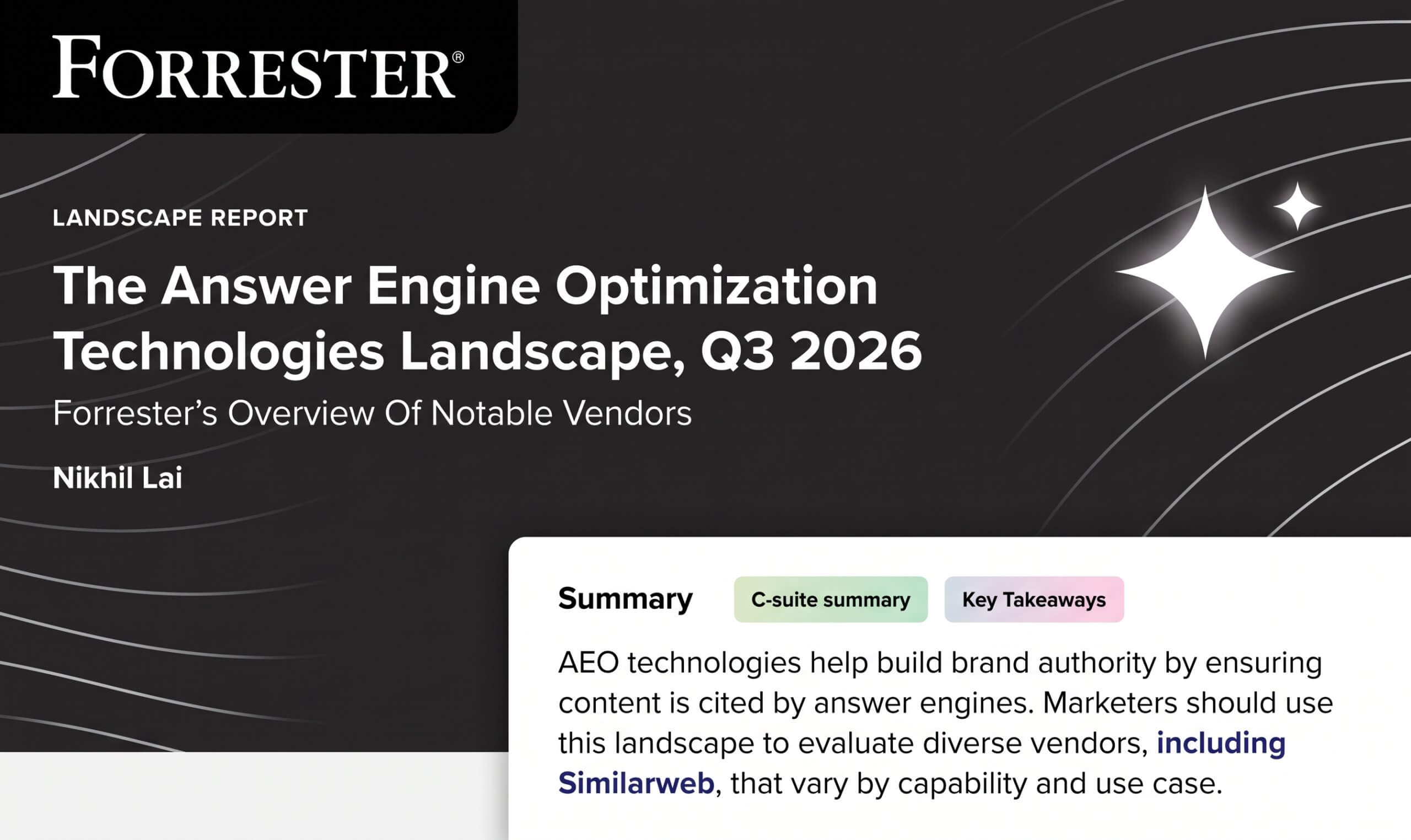
Similarweb Named in Forrester's Answer Engine Optimization Technologies Landscape, Q3 2026

Anthropic IPO: What Claude's Web and App Data Show
Contact us to set up a call with a market research specialist
