





The Top 100 Most Visited Websites in the USA (August 2026)
by Shai Belinsky10 Min.
Sep 29, 2026
 Research Intelligence
Industry analysis lays the groundwork for informed business strategies. Understanding the industry is indispensable – whether you’re heading into a new market or fine-tuning your existing strategy.
But the process can feel overwhelming.
There’s data to collect, trends to monitor, and competitors to assess. And that’s just the start. This is where Similarweb comes in. Delivering real-time insights into website traffic, market trends, and competitive analysis is our bread and butter.
So we’ll explain the essentials of industry analysis and show you how to do it with Similarweb. You’ll also be able to apply proven frameworks like Porter’s Five Forces and PESTEL analysis.
What you’ll learn:
Whether you’re a marketer, analyst, or entrepreneur, you’ll be equipped to understand what’s going on in your industry.
Let’s get started and define what it is.
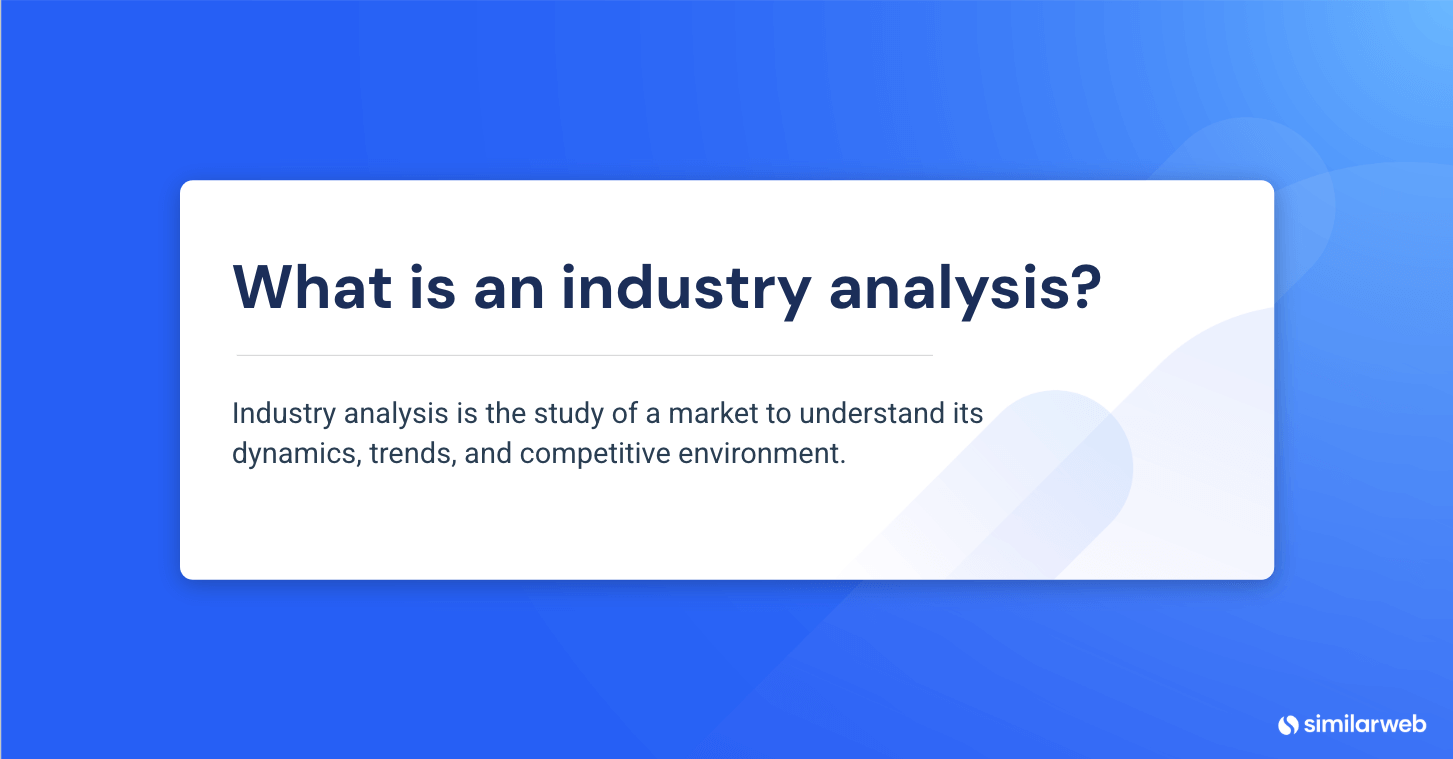
Industry analysis is the study of a market to understand its dynamics, trends, and competitive environment.
Or…
“The point of industry analysis is not to declare the industry attractive or unattractive but to understand the underpinnings of competition and the root causes of profitability.” Professor Michael Porter author of the 5 Forces Framework.
It involves evaluating market size, market growth potential, major players, and external factors that influence the industry. Once the market structure is dissected, businesses can start identifying opportunities and anticipating challenges.
At its core, an industry analysis seeks to answer the following three questions:
Key components of industry analysis factors
So how are the answers to these questions used? Businesses use industry analysis to:
Imagine you own a sports ecommerce brand expanding into fashion. You’ll need insights into traffic trends, consumer preferences, and competitors’ strategies (all can be provided by Similarweb).
Industry analysis benefits businesses of all sizes. Startups and small enterprises can use it to understand their niches and position themselves for sustainable growth.
By combining a thoughtful approach with the right tools, you can uncover the insights required to succeed in a competitive market.
However, an industry analysis is not just about collecting data; it is a vital process for making informed decisions and maintaining a competitive advantage.
As we’ve already outlined. Industry analysis lays the groundwork for data-driven decision-making.
By understanding market dynamics, businesses can align their strategies with current trends and future opportunities. For example, if the data reveals a growing demand for sustainable products, businesses can prioritize those products.
How we can help: Similarweb can make this process seamless by delivering data on the latest traffic trends and audience behavior.
A robust industry analysis sheds light on competitors’ strengths and weaknesses. Or even pinpoints competitors you aren’t aware of yet.
By analyzing competitor strategies, pricing, and customer engagement, businesses can uncover opportunities to differentiate themselves. They can also
How we can help: Similarweb enhances this process by enabling performance benchmarking through metrics like web traffic, keyword rankings, and audience engagement. These insights help businesses craft strategies that outperform their competition.
Markets carry inherent risks. Economic shifts, regulatory changes, and technological advancements are just a few. Industry analysis helps businesses anticipate these risks and devise plans to address them. For instance, new regulations might require strategic adjustments to ensure compliance.
How we can help: Similarweb’s alerts for traffic declines or consumer behavior shifts, businesses can act proactively to minimize potential disruptions.
Industries are constantly evolving due to technological innovations, shifting consumer preferences, and other external factors. Conducting regular industry analysis ensures that businesses remain agile and relevant. Whether it’s embracing new technologies or adjusting to emerging market demands, industry analysis ensures that you stay ahead of the curve.
Industry analysis is not a one-time activity but an ongoing necessity.
How we can help: Similarweb can monitor industry and category trends. [explain more here- use the MR add on or something like that]
There are several frameworks for industry analysis. Each provides unique insights into market dynamics. Combining these methods offers businesses a holistic understanding of their industry.
Below is an overview of key types of industry analysis and how we can support each approach.
Porter’s Five Forces, created by Harvard business professor Michael Porter, is a tool to study competition and industry appeal. It aims to show how much profit an industry can make and helps businesses plan their strategies.
This framework evaluates five critical forces that shape industry competition:
Porter’s framework helps businesses identify drivers of competition and factors affecting profitability.
PESTEL analysis is a tool to assess factors impacting business operations and strategy. It originated from Harvard professor Francis Aguilar’s 1967 book Scanning the Business Environment.
Similarweb enhances PESTEL analysis by offering real-time data on how external factors – like technological innovations or social trends – influence industry performance.
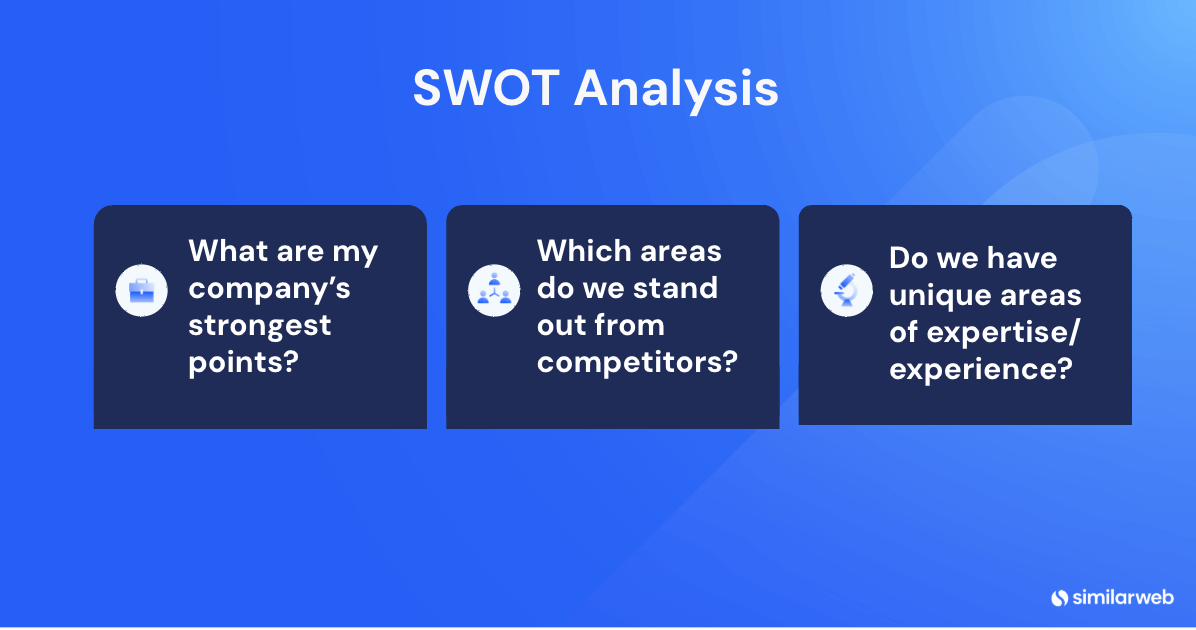
SWOT analysis is a strategic framework used to evaluate a business, product, project, or industry by examining internal and external factors.
Using Similarweb, businesses can uncover opportunities and threats by analyzing competitor performance, audience behavior, and market trends.
Understanding how industry analysis applies in real-world scenarios brings its concepts to life. Here are examples of how businesses across industries leverage industry analysis for strategic decision-making using Similarweb’s insights.
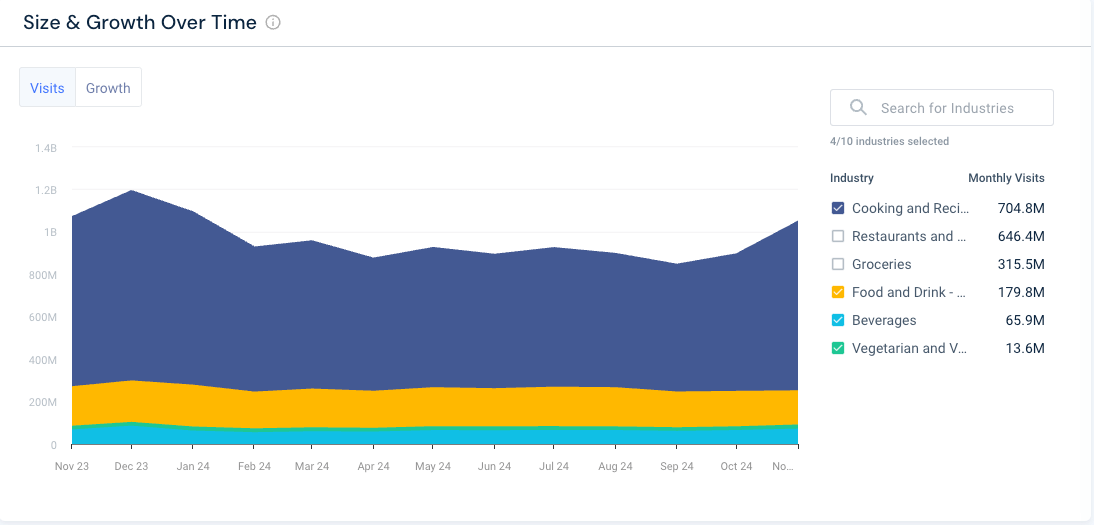
An ecommerce company plans to expand its product offerings. Through industry analysis, they identify the demand for eco-friendly products.
Using Similarweb’s Market Research tool, they analyze:
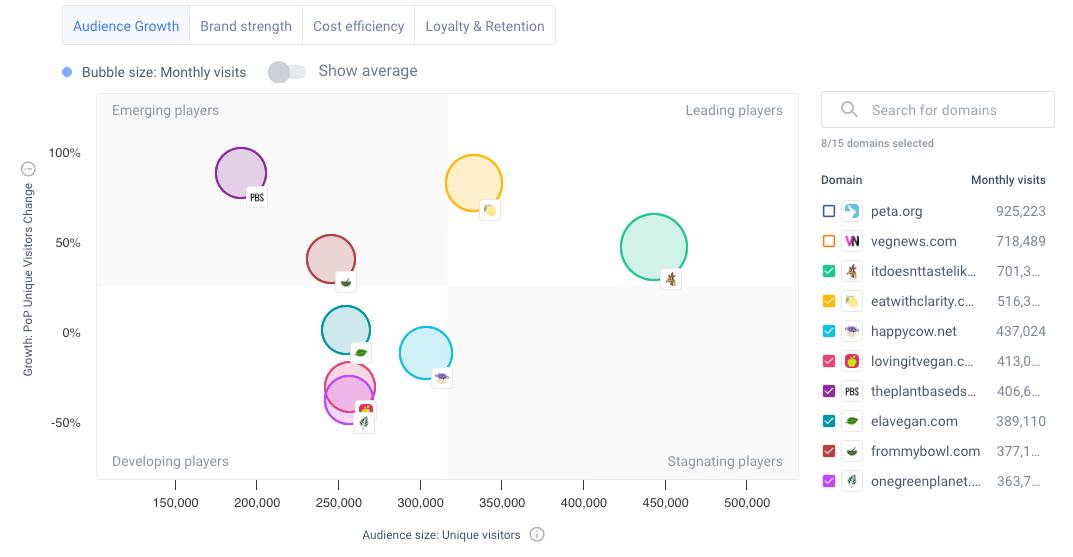
The outcome?
The company successfully launches a new line of eco-friendly products, increasing sales and aligning with consumer preferences.
A car manufacturer is entering the electric vehicle (EV) market. Industry analysis reveals adoption rates and the state of charging infrastructure as critical factors.
With Similarweb’s Demand Analysis tool, they can:
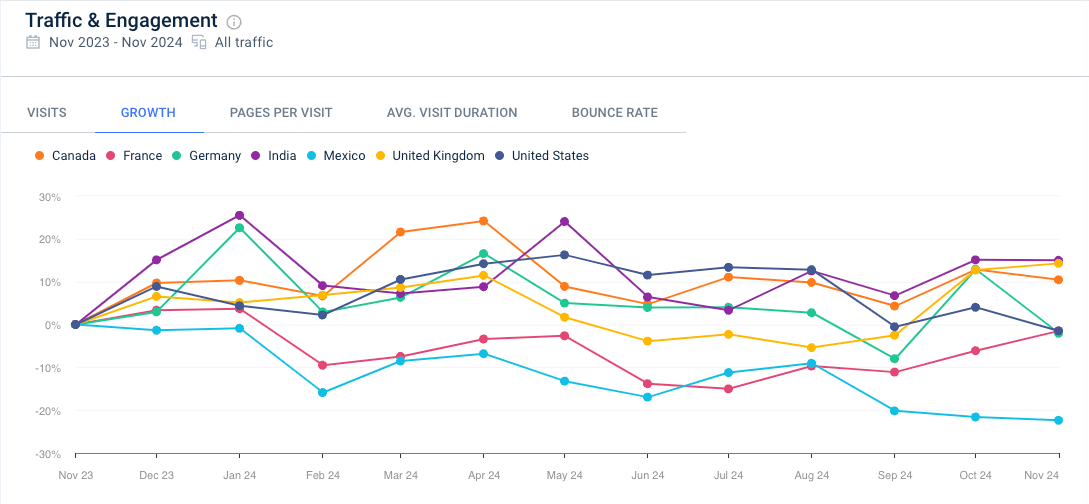
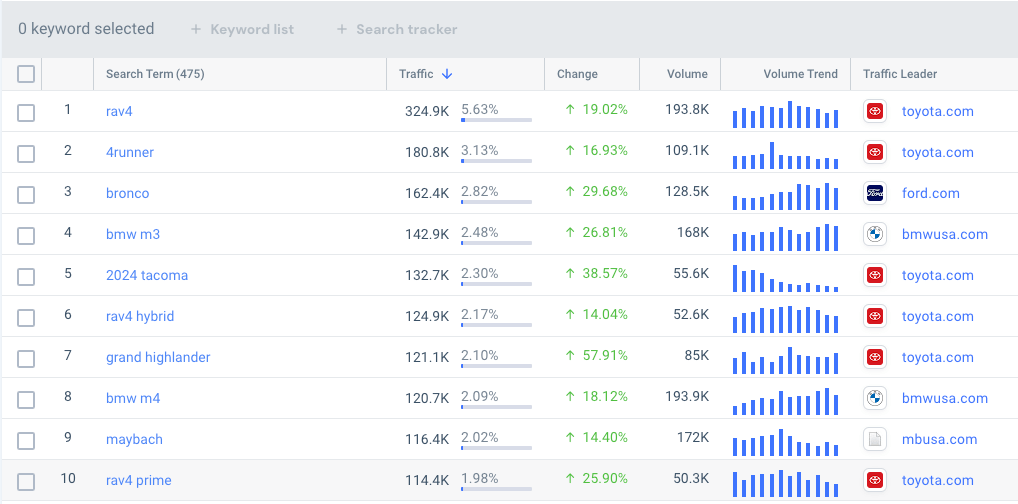
Armed with this data, the manufacturer develops a competitive EV strategy tailored to market demand.
A SaaS company aims to refine its go-to-market strategy for a new email marketing tool. Here we analyze the market with Similarweb’s web category analysis tool.
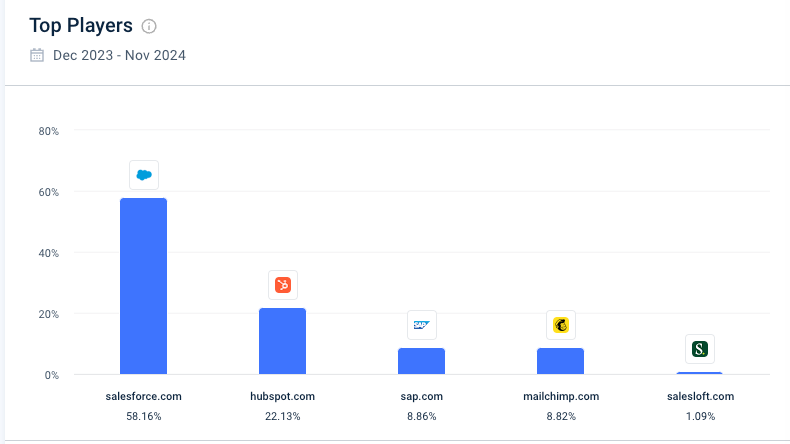
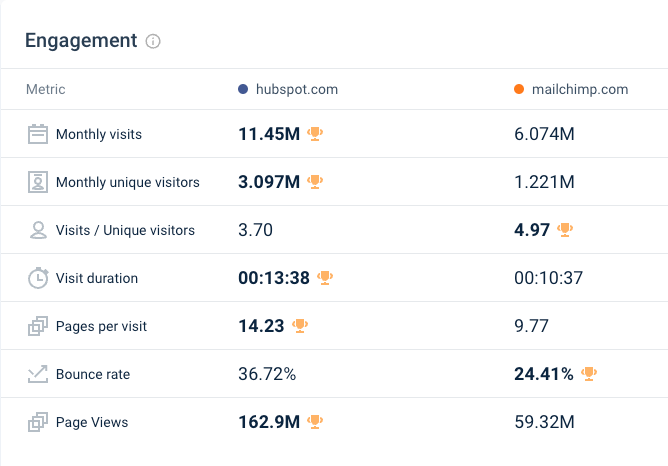
This analysis helps the SaaS company adjust its marketing efforts and product features, leading to increased adoption and customer satisfaction.
Industry analysis is crucial for strategic decision-making, but it often presents challenges that can complicate the process. Recognizing these obstacles and implementing effective solutions ensures a successful analysis. Here are the most common challenges and how to overcome them.
Finding accurate, up-to-date data is a significant challenge. Many sources are either outdated, incomplete, or prohibitively expensive.
Solution: Leverage tools like Similarweb that provide verified, real-time data on website traffic, market trends, and competitor performance. Comprehensive insights can only come from quality data capture – here’s how we handle our own.
Processing large volumes of data and extracting actionable insights can be overwhelming, especially for small teams or businesses new to industry analysis.
Solution: Prioritize the metrics that matter most to your industry, such as traffic share, engagement rates, or trending keywords. Similarweb’s user-friendly dashboards and visualizations simplify complex data, making it accessible and actionable.
Industries change rapidly, and static reports quickly lose relevance.
Solution: Perform ongoing analysis with Similarweb to provide dynamic, real-time insights. This ensures you’re always equipped with the latest data to adapt to market shifts.
By addressing these challenges with the right strategies and tools. Businesses can optimize their industry analysis processes and maintain a competitive edge in dynamic markets.
Industry analysis is more than just a process—it’s your strategic edge. By understanding your market, evaluating competitors, and identifying key trends, you equip yourself with the knowledge to make informed, impactful decisions.
Whether launching a new product, entering a new market, or refining your strategy, industry analysis empowers you to act decisively and confidently.
Similarweb’s web intelligence platform streamlines this process. With real-time data on traffic trends, audience behavior, and competitor performance, it helps you transition from guesswork to actionable insights.
Ready to transform your industry analysis?
Similarweb will level up your company with your industry’s potential and position it for sustainable growth and long-term success. Get in touch, and we’ll show you how.
What is the main purpose of industry analysis?
Industry analysis helps businesses gain a deep understanding of their market, competition, and external factors that influence performance. It supports informed decision-making, opportunity identification, and risk management.
How does Similarweb help in industry analysis?
Similarweb offers real-time insights into website traffic, audience behavior, and market trends. Its tools enable businesses to analyze competitors, monitor industry shifts, and uncover growth opportunities, streamlining the analysis process with speed and accuracy.
What are the key steps in conducting an industry analysis?
Who can benefit from industry analysis?
Businesses of all sizes—startups, SMEs, and large enterprises—can benefit. It is particularly useful for marketers, analysts, business owners, and investors seeking to make data-driven decisions.
How often should I perform an industry analysis?
Industry analysis should be a continuous process, especially in dynamic markets. Regular updates ensure that your strategies remain aligned with the latest trends and changes.

Team Manager, Content Marketing
James is an former journalist & content strategist in B2B tech, who has previously created content for companies like EDF and X (Twitter). He also has a journalism post-grad from LCC.
The Top 100 Most Visited Websites in the USA (August 2026)
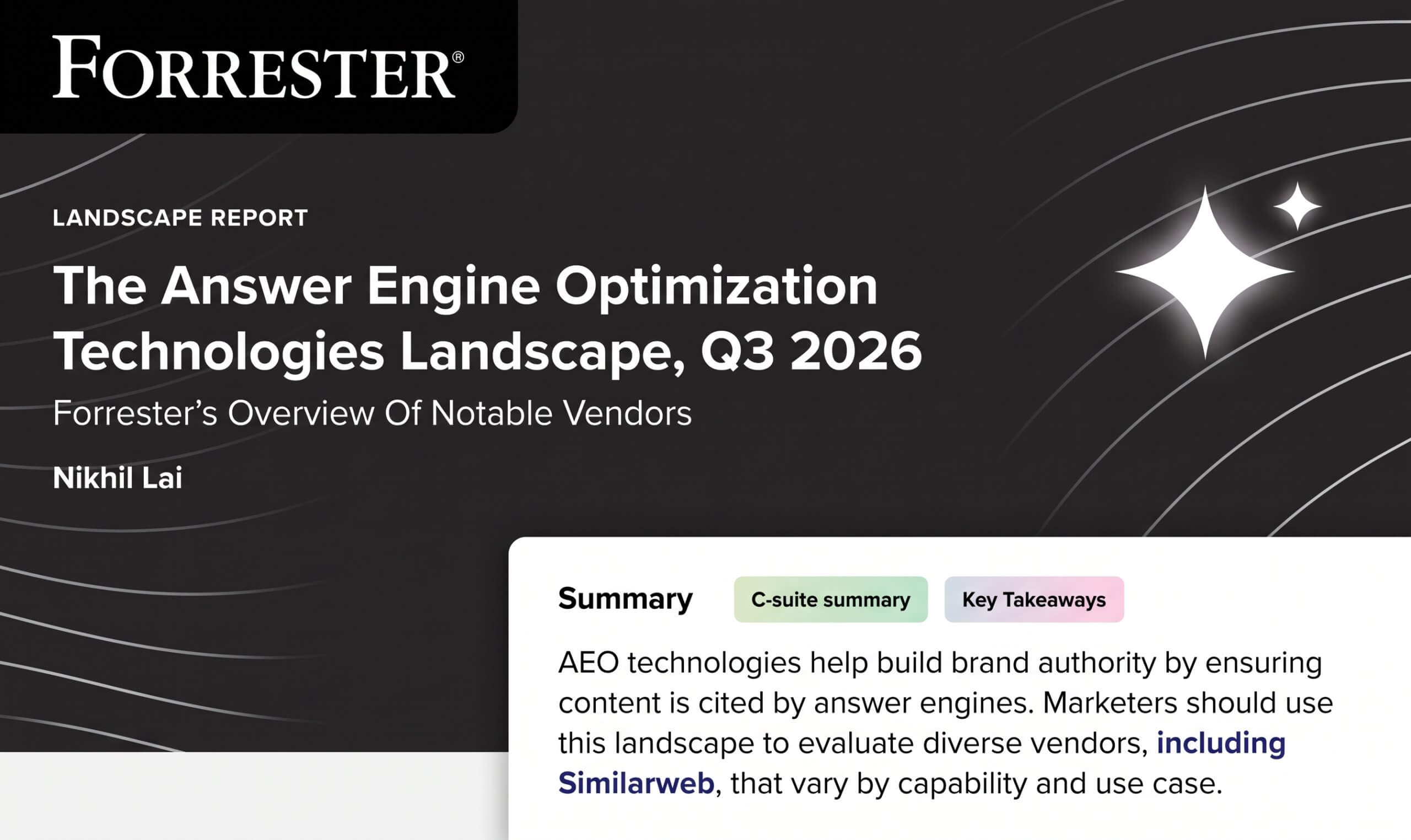
Similarweb Named in Forrester's Answer Engine Optimization Technologies Landscape, Q3 2026

Anthropic IPO: What Claude's Web and App Data Show
Contact us to set up a call with a market research specialist
