






Top Ecommerce Companies in the USA: The 100 Brands Winning the Traffic Race in 2026
by Inbar Eytan6 Min.
Aug 30, 2026

Expanding into new markets is one of the most effective ways for businesses to build and increase revenue.
Whether you’re looking to expand within your existing geography or internationally, a well-thought-out strategy is essential.
This article explores key market expansion strategies, critical considerations, and examples of companies successfully scaling their operations to new markets. It also shows how to analyze a new market for expansion, step by step.
Let’s dive in.
Market expansion is a growth strategy that involves introducing a company’s existing products or services to new markets.
It requires understanding consumer preferences in that market – from flavors and colors to prices and even packaging sizes – in order to maximize growth.
Successful market expansion can boost revenues, increase market share, and grow brand value. In some cases, it may lead to the development of new products or services tailored specifically for that market.
When extending your company’s reach to new markets, it’s important to evaluate what strategy is most suitable for your business and goals.
Here are some common approaches companies should consider:
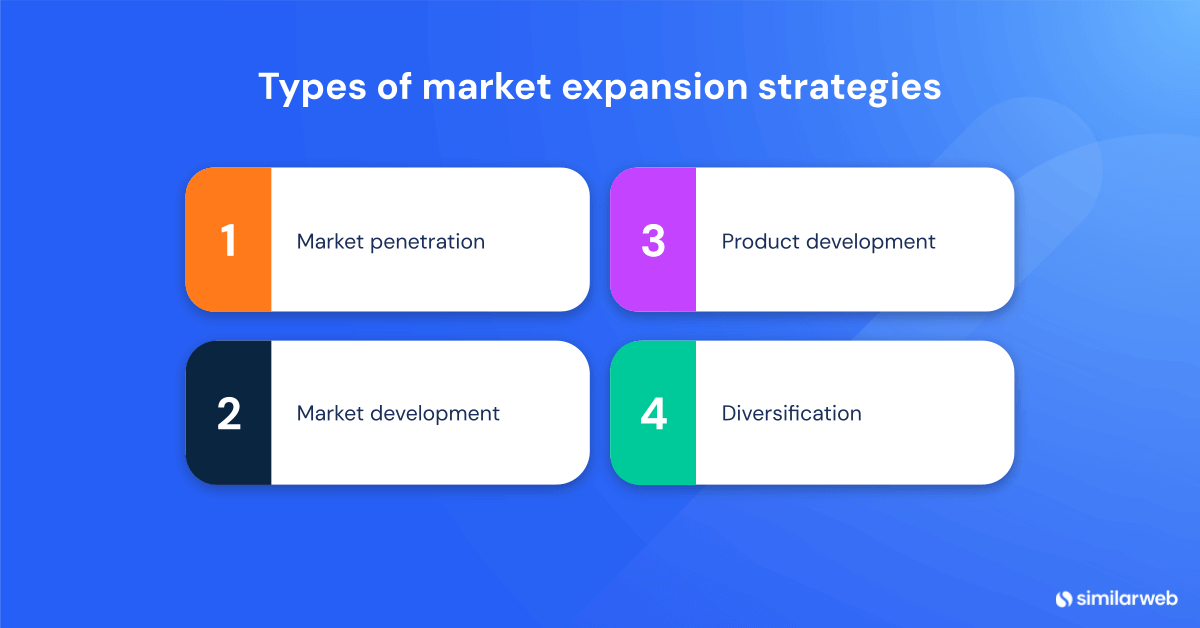
Market penetration focuses on selling more of your existing products and services to your current customers. It helps build market share in existing markets and strengthens your company against competitors.
Moreover, pricing adjustments are often used to make products more accessible to consumers.
Distribution improvements can put the product within reach of your target audience. All of this allows you to gain valuable insights that can be leveraged when entering new markets.
Market development involves introducing your existing products to new geographic regions. This could mean entering new cities, regions, or countries, to tap into new audiences and achieve growth.
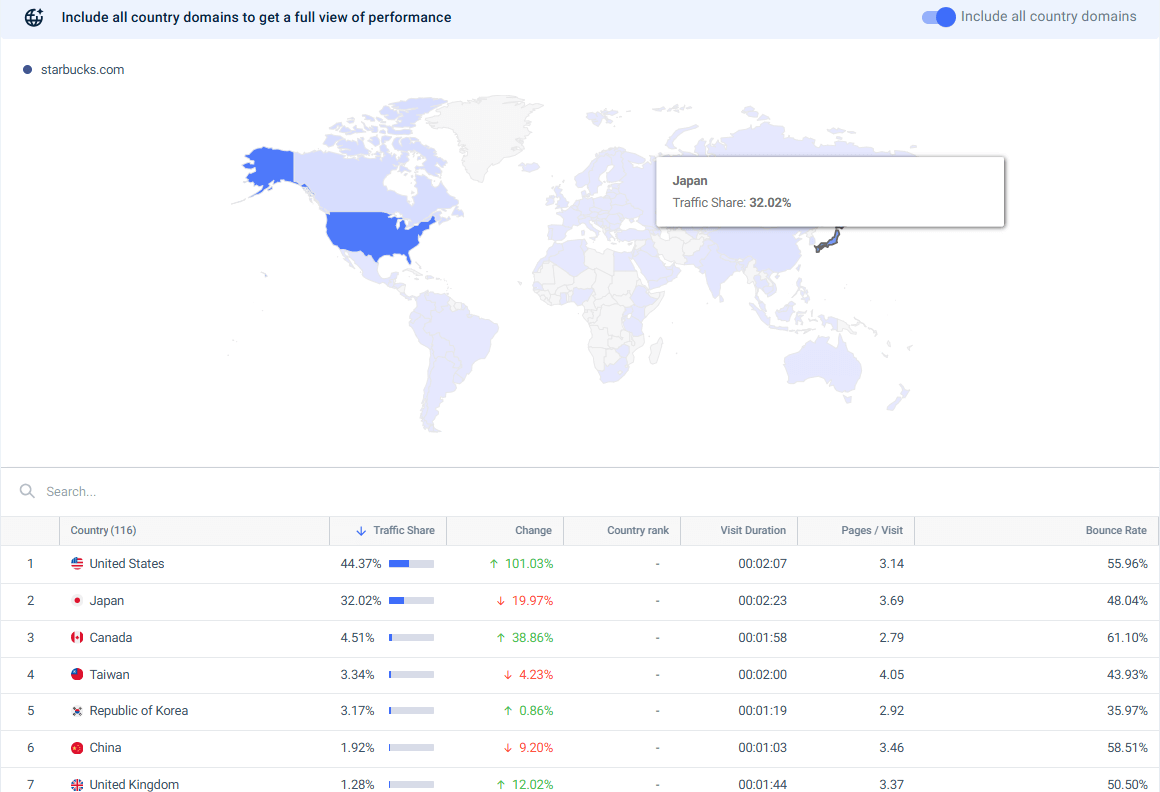
One example is Starbucks, which began selling coffee in the United States and eventually expanded into international markets like Japan and Europe. It had to adjust its products and services to meet regional needs and remain competitive against local coffee chains.
Starbucks now operates in over 80 countries.
Product development includes launching new products and improving existing ones to meet the needs and preferences of your existing customers.
But market research is crucial to ensure innovation is aligned with consumer needs and wants.
Apple is a great example; it frequently develops new products or iterations of existing ones, such as the annual iPhone product launches that keep its customers interested. Product development allows you to stay relevant within your current market, create new revenue streams, and maintain consumer interest.
Diversification is the process of developing new products for new markets. While potentially risky, this strategy can be very rewarding when approached strategically.
Amazon is an excellent example of successful diversification. The store expanded into entirely new sectors, such as cloud computing with AWS, which revolutionized the company’s business model.
Businesses can hedge against lower revenues and market share from existing products through diversification.
Entering new markets can be complex and challenging. Companies must carefully assess their capabilities and identify potential obstacles in order to be successful. Some of the key factors to consider when expanding include market research, operational capacity, legal compliance and cultural adaptation.
Understanding these aspects is critical to achieving success in new environments.
Conducting thorough market research is an essential step for any market expansion plan. This research provides valuable insights into customer preferences and behaviors in the target market, allowing the company to tailor its offerings accordingly. Market analysis can also help identify competitors and potential partners, as well as any gaps in the market that could provide opportunities for success.
With the increasing digitization of the economy, market research has become easier than ever. Market research tools like Similarweb provide rich data about online activity related to different markets, which makes it possible to instantly identify markets, size up competitors, and identify consumer preferences—all this without a major investment in surveys or proprietary datasets.
Companies need to evaluate their operational capacity before entering new markets. This includes assessing their production capacity, supply chain management capabilities, and supporting infrastructure.
Expanding too quickly without the necessary resources can lead to serious issues in delivering products and maintaining quality. By evaluating operational capabilities, companies can identify gaps and make the necessary adjustments to ensure a smooth transition into new markets.
Each market has its own legal and regulatory requirements that must be met.
Companies need to be aware of them. They may include tariffs, import/export laws, employment regulations, and intellectual property rights.
Failure to comply with local laws can result in fines and damage the company’s reputation.
To avoid this, companies should seek advice from legal teams and become familiar with the rules and standards of each target market. Legal requirements can also impose costs that can affect a target market’s profitability.
Cultural differences can have a significant impact on how a product or brand is perceived in a new market. Companies need to consider language, cultural norms, and values when shaping their marketing messages, branding, and customer interactions.
Localization of products and services to meet local cultural preferences is an important strategy.
Many companies have succeeded in international expansion by understanding and adapting to local market needs, often with the help of local partners or by establishing a local presence in the region.
Netflix’s global expansion between 2010-2020 is a prime example of how businesses can successfully enter new markets while adapting to local preferences.
Netflix’s successful strategy included five key elements:
Netflix’s global expansion strategy significantly grew its subscriber base and revenue. The company grew subscribers almost tenfold from 21.5 million in 2011 to 192.9 million in 2020, with over half of its subscribers from outside the United States—66 million from EMEA, 37 million from Latin America, and 32 million in the Asia-Pacific region.
Netflix’s expansion strategy highlights the importance of localization in international markets. By investing in regional content, adapting pricing models, and collaborating with local partners, businesses can effectively address the unique needs of each market while building a strong global brand.
Market expansion can significantly boost a company’s growth. However, it requires a well-crafted strategy to achieve sustained success. Let’s review the primary steps involved.
The first step in developing a market expansion strategy is to identify promising target markets. This involves analyzing factors such as market size, growth potential, and competitive landscape to determine the most viable opportunities.
Companies should focus on markets that align with their strengths and offer the best potential for growth. Thorough market analysis helps businesses make informed, data-driven decisions about which markets to pursue and provides insights into customer preferences and regional trends, which can inform strategies in each market.
A detailed competitor analysis is essential for understanding how to differentiate the company’s products or services in the new market. By examining competitors’ strengths and weaknesses, businesses can identify gaps and opportunities to position themselves effectively.
Competitor analysis also provides valuable insights into pricing strategies, marketing tactics, and customer engagement approaches that can be leveraged to create a competitive advantage.
Clear and achievable goals are the foundation of any successful market expansion strategy. Companies should define specific objectives, such as increasing market share, improving brand visibility, or boosting sales. Expansion goals provide direction and serve as benchmarks to measure the success of the expansion efforts.
A detailed marketing plan is critical for entering and succeeding in a new market. The plan should include tailored advertising campaigns and distribution strategies that resonate with the target audience.
By aligning marketing efforts with local preferences and cultural nuances, companies can effectively engage customers and build brand awareness. A strong marketing plan also defines the channels and tactics needed to reach the target market and communicate the brand’s value proposition.
Proper resource allocation is essential for executing the expansion strategy effectively. This includes financial resources, personnel, and infrastructure support. Companies must budget for marketing, logistics, and operational expenses to ensure that the expansion is financially viable and sustainable. It is important to ensure the level of investment reflects the growth potential and profitability of each new market.
Expanding into new markets offers significant growth opportunities. But it also presents challenges that businesses must address to succeed.
Here are a few of the main challenges and how to overcome them.
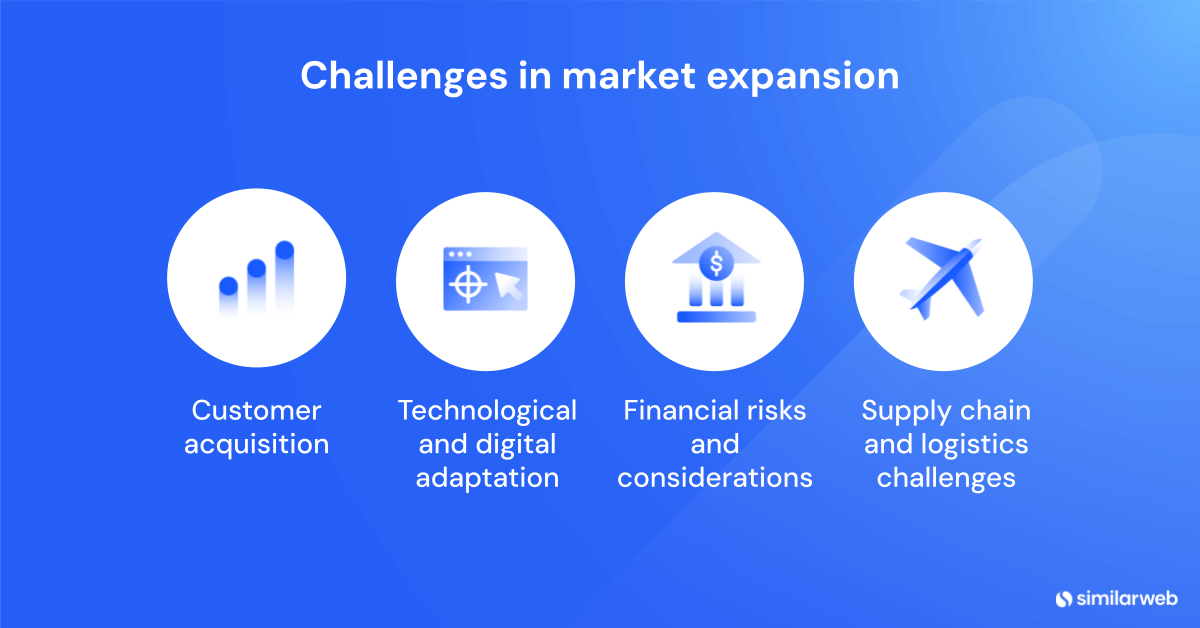
Gaining new customers in an unfamiliar market is one of the biggest challenges for expanding businesses. Companies need to develop marketing strategies that resonate with the local audience and build brand awareness in the new region. This often involves tailoring messaging and campaigns to align with local culture and preferences.
Building relationships with new customers requires effort and creativity, but it is essential for establishing a foothold in the market and driving long-term success.
Staying competitive in new markets often requires adopting the latest technology and digital tools. Companies may need to upgrade their systems, applications, and websites to meet the technological expectations of the new market. This includes ensuring that digital platforms are user-friendly and accessible on commonly used devices in the region.
For example, businesses expanding into China must ensure their services can be discovered and consumed by search engines (like Baidu, Soguo, and Haosuo) and unique mobile apps (especially WeChat) used by local consumers.
Entering a new market involves significant financial investment, and managing cash flow can be challenging. Companies must evaluate the financial risks of market expansion, including currency fluctuations, unexpected costs, and changing market conditions.
Developing a robust financial plan incorporating contingency strategies can help mitigate these risks and ensure the expansion remains financially viable.
Operating in a new region often involves overcoming supply chain and logistics challenges. Companies may need to adapt their logistics networks to accommodate longer shipping distances, different regulatory requirements, and regional distribution complexities.
Efficient supply chain management is critical to ensuring timely delivery and maintaining product quality in the new market. Businesses must evaluate their supply chain capabilities and make necessary adjustments—before selling to the new market—to support smooth operations and customer satisfaction.
Expanding into new markets requires strategy, adaptability, and execution. By following proven best practices, businesses can increase their chances of success and create meaningful connections with new audiences.
Localization is key to making a brand relevant in new markets. This involves adapting marketing strategies to align with local preferences, cultural norms, and customer behavior.
Businesses that tailor their branding, messaging, and marketing channels to meet local needs can build stronger connections with customers and establish their brand’s presence and reputation in the market.
Forming partnerships with local businesses is an effective way to gain valuable insights and resources for market expansion. Local partners can provide distribution, marketing, and customer service support while offering first-hand knowledge of regional market dynamics.
These alliances help businesses navigate local challenges, leverage existing networks, and establish a strong market presence more quickly.
You can also use Similarweb’s Affiliate Research Tools to reveal a local partner’s reach, traffic, and audience engagement – and target the best, most lucrative opportunities for your business.
Customizing products or services to meet the specific needs of the local market is essential for success. Businesses should invest in research to understand regional customer preferences and modify offerings accordingly. This may involve changing product features, packaging, or pricing to align with local expectations.
Market conditions can change rapidly, and businesses must stay informed to remain competitive. Monitoring market trends, customer feedback, and performance metrics allows companies to make necessary adjustments and refine their strategies in real-time.
Continuous evaluation and adaptation ensure that the expansion efforts remain relevant and aligned with evolving market conditions and customer preferences.
Expanding to new markets requires accurate, up-to-date information about consumer preferences and competitors.
Similarweb makes this easy with a convenient platform that provides access to data covering any website in your target market.
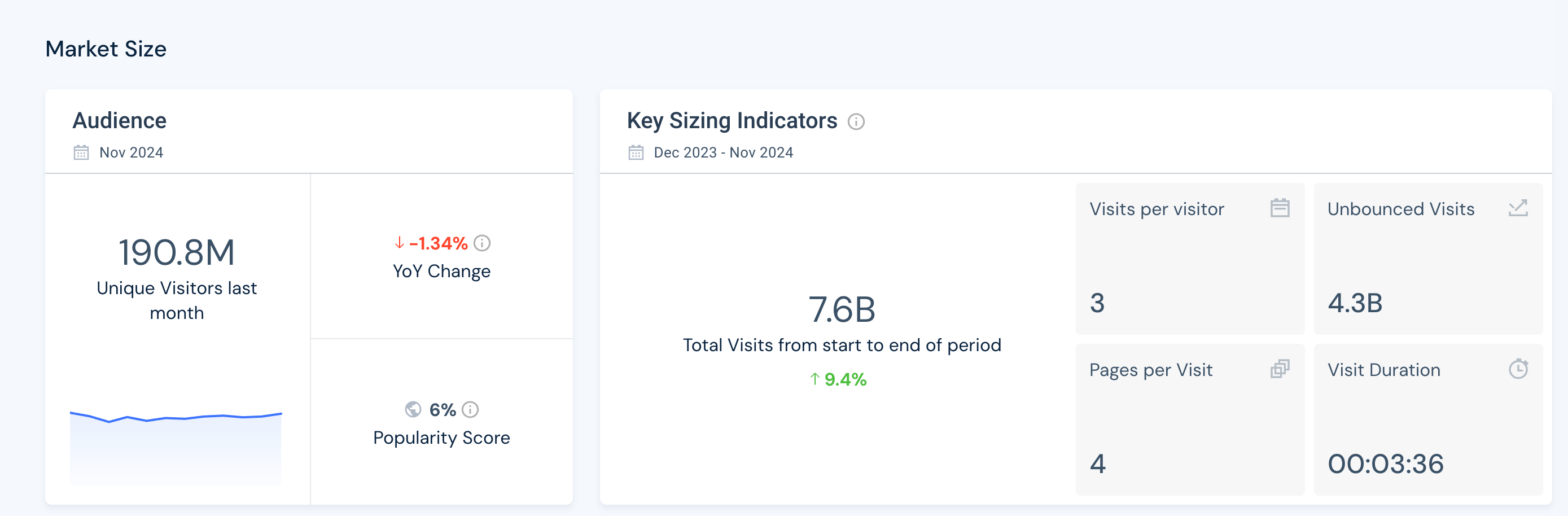
Let’s say you are considering expanding into the computer hardware market. Similarweb’s market analysis report shows various metrics, indicating market size and level of audience engagement.
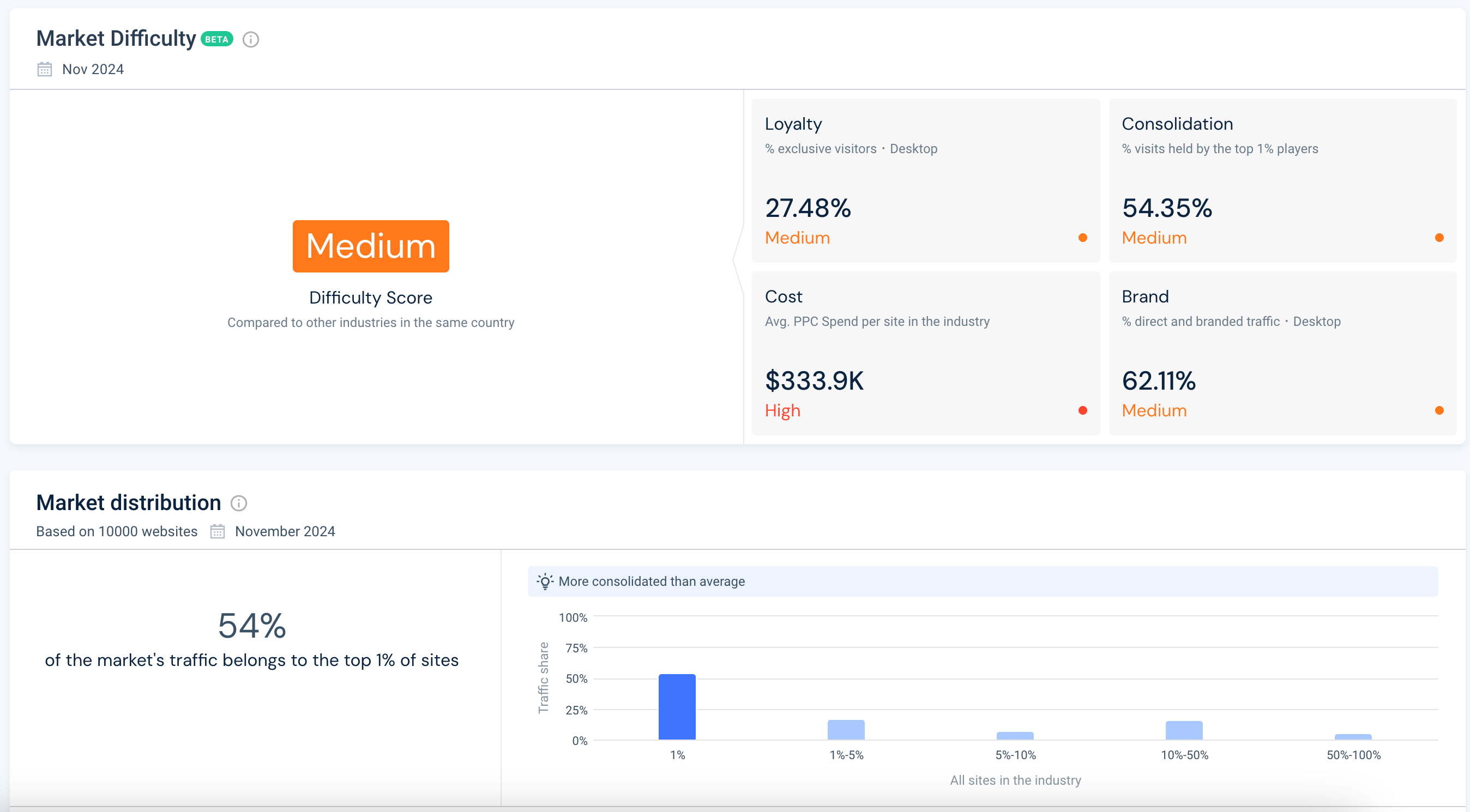
Similarweb also provides key market evaluation metrics, such as market difficulty and the cost of entry. These metrics show the loyalty of consumers in this market, the cost of acquisition, and how distributed or concentrated the market is.
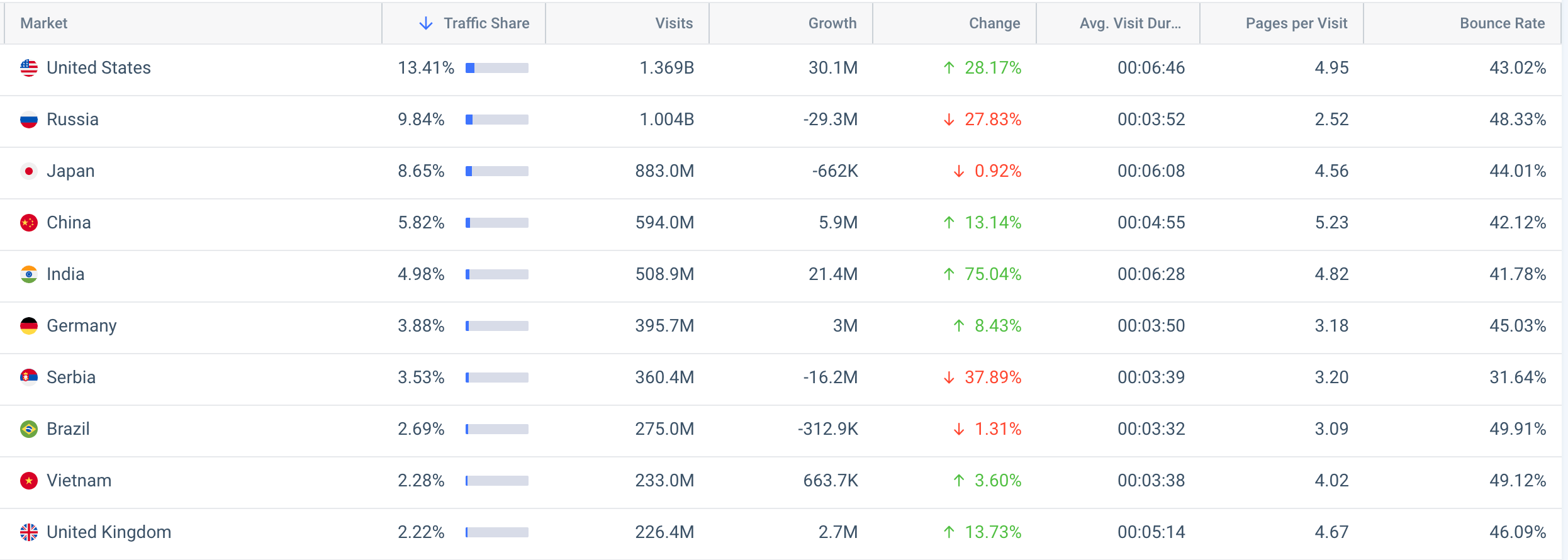
Similarweb’s market analysis report shows market size across different regions to help plan your expansion.
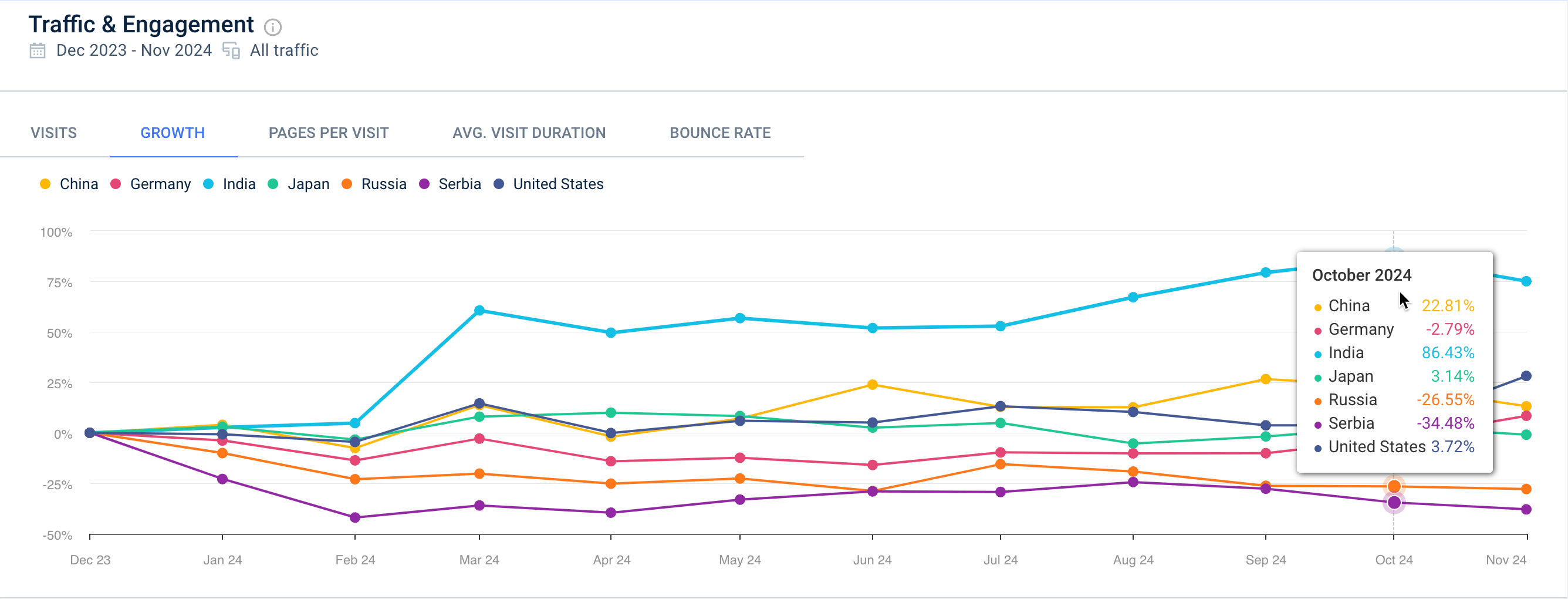
You can also see growth rates over time. The crucial US market shines in this comparison, with month-over-month growth of over 28%, far higher than other key computer hardware markets like the UK or Germany.
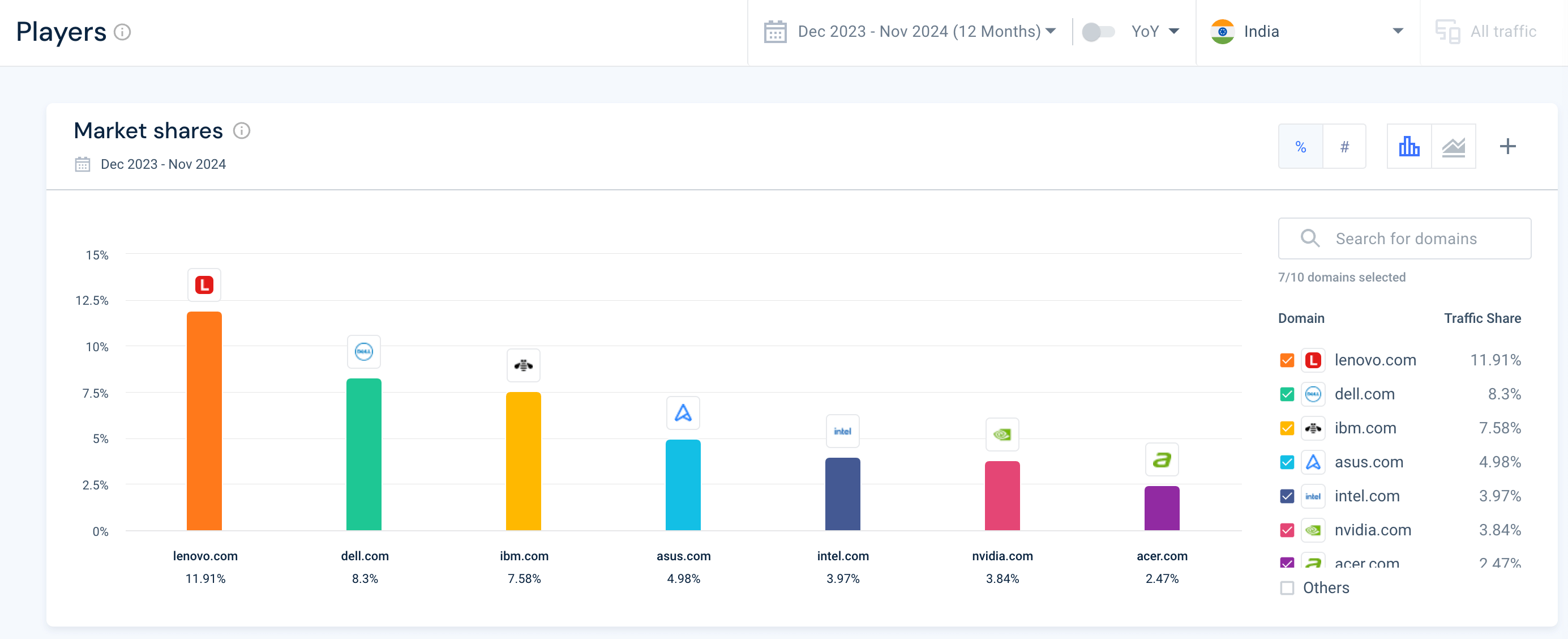
Similarweb shows you the main competitors by website traffic. Below are the computer hardware players, focusing on India, which has exceptionally high growth.
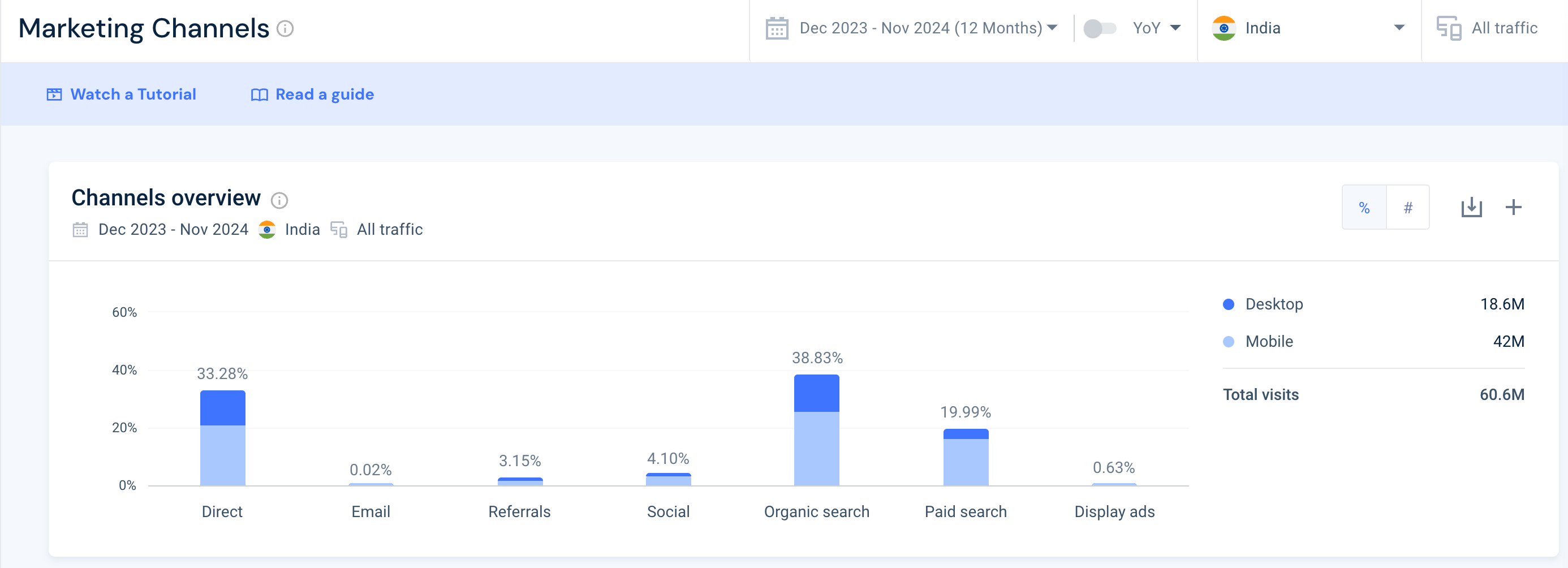
Let’s drill down into the largest player in the Indian market, Lenovo. Similarweb’s website analysis report shows this website’s primary traffic sources.
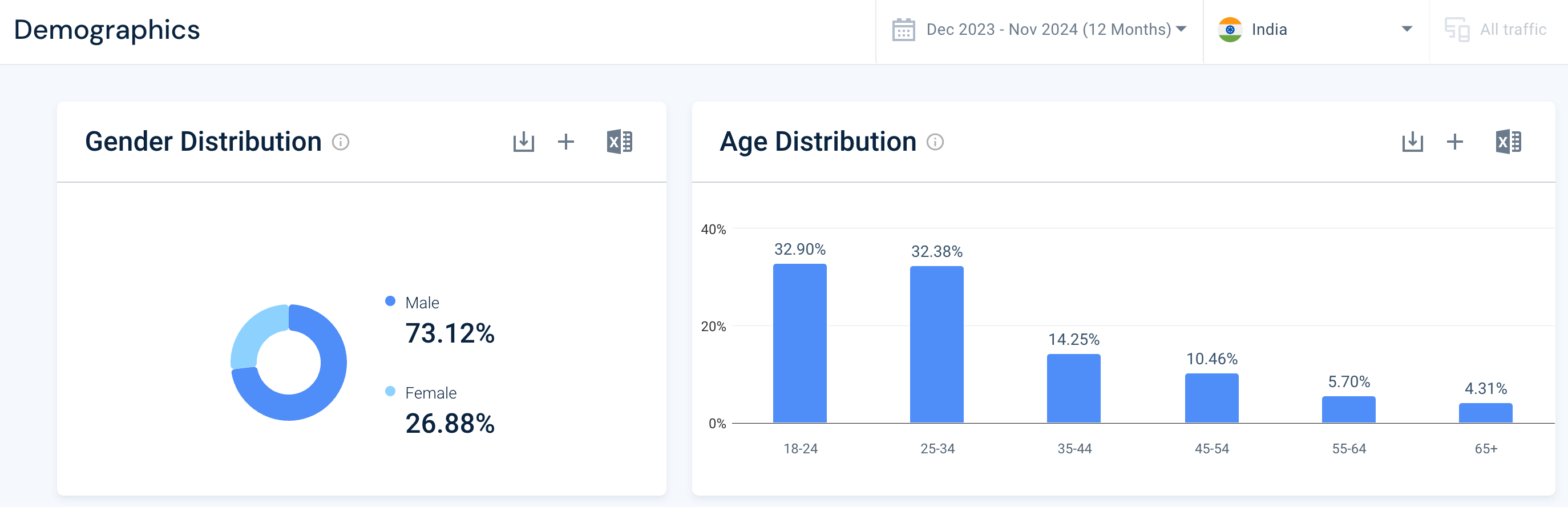
You can see the demographics visiting Lenovo’s website, in this case, are primarily males aged 18-34.
Finally, it can be useful to see the hottest topics that are sending traffic to Lenovo’s website. Below is a view of their top non-branded organic keywords.
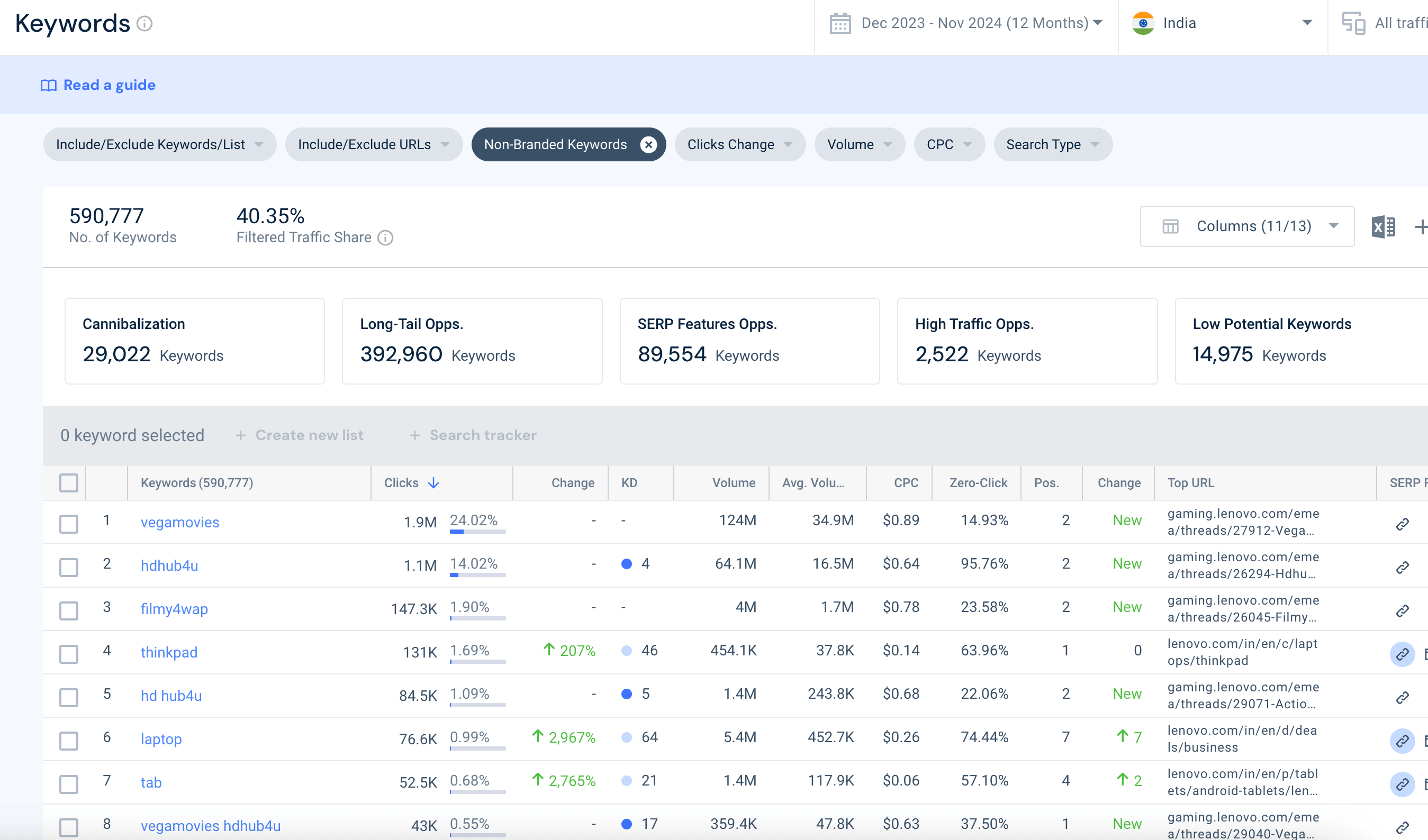
Several of the top keywords are related to Indian video streaming sites, indicating this competitor is generating traffic through consumer interest in video streaming.
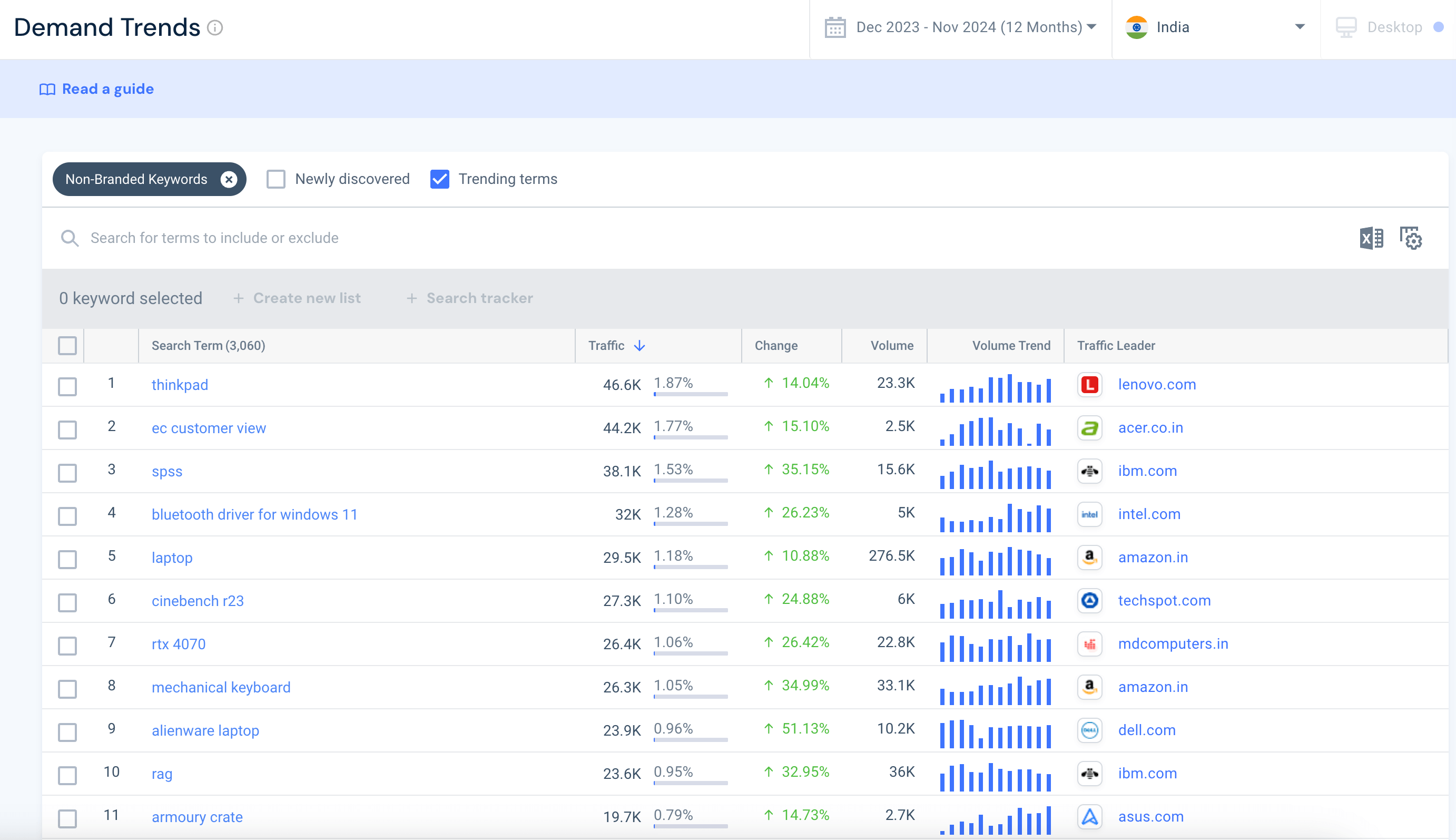
Zooming out to the entire computer hardware industry in India, here are the top trending topics. This can provide a few ideas for product innovations and promotions.
To help understand seasonality in this market, Similarweb shows month-over-month (MoM) aggregate traffic. In the past year, the strongest months were August to October.

Expanding into new markets is a challenging yet rewarding endeavor that requires careful planning, adaptability, and a deep understanding of your target audience.
By analyzing target markets with Similarweb, researching competitor strategies, and staying responsive to market needs, businesses can unlock significant growth opportunities and build a strong, global presence.
What is market expansion?
Market expansion is the strategy of introducing existing products or services to new markets, requiring adjustments to meet local consumer preferences, such as pricing, packaging, and flavors.
What are the common types of market expansion strategies?
Market expansion strategies include market penetration, market development, product development, and diversification, each tailored to different growth objectives and market opportunities.
How can businesses choose the right market expansion strategy?
The right strategy depends on the company’s goals, existing resources, and target market characteristics. Conducting market research and competitor analysis can help in selecting the most effective approach.
Why is market research essential for expansion?
Market research provides insights into consumer behavior, competitors, and market trends, enabling companies to tailor their offerings and strategies for successful entry into new markets.
What are the risks associated with market expansion?
Market expansion risks include financial challenges, regulatory compliance issues, cultural misalignment, and operational inefficiencies if companies fail to adapt properly to new markets.
How do companies adapt to cultural differences in new markets?
Businesses can adapt by localizing products, marketing strategies, and customer interactions to align with the language, norms, and values of the target market.

Team Manager, Content Marketing
James is an former journalist & content strategist in B2B tech, who has previously created content for companies like EDF and X (Twitter). He also has a journalism post-grad from LCC.
Top Ecommerce Companies in the USA: The 100 Brands Winning the Traffic Race in 2026

3 of the Sharpest Minds Weigh in on the State of Gen AI in 2026

Contact us to set up a call with a market research specialist
